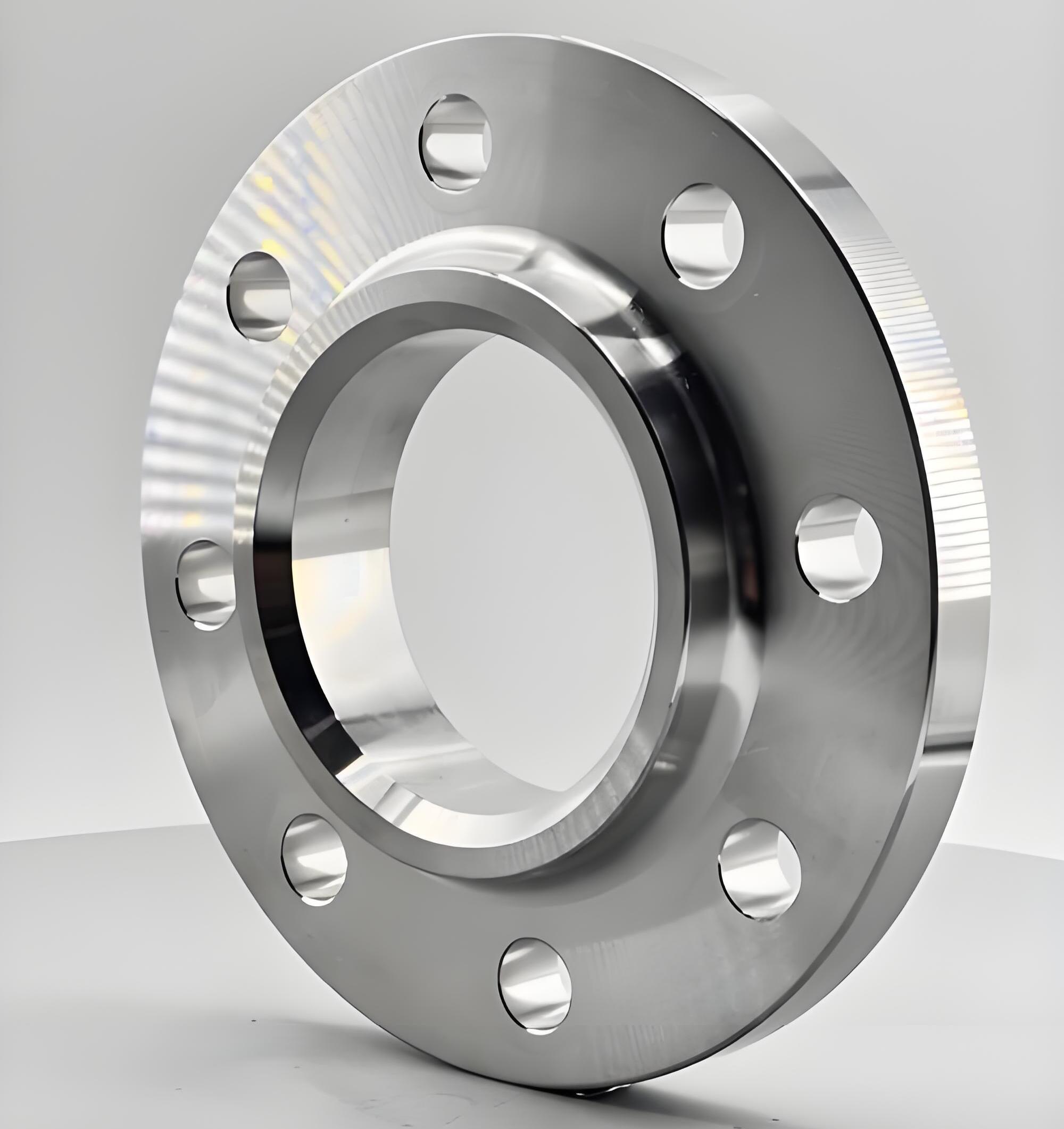
European standard flanged pipe fittings
European standard flange pipe fittings are designed and manufactured with EN1092 and DIN European standards as the core, and their dimensions, bolt hole spacing, pressure ratings, and sealing surface forms all follow European engineering specifications, and they are not directly interchangeable with national standard or American standard pipe fittings. We provide European standard flange elbows, tees, reducers, pipe caps, blind plates, nipples, and other products. The forming processes include seamless pushing, steel plate rolling, forging, and casting, covering the full range of DN10 to DN4000, with pressure ratings from PN2.5 to PN100. The products are suitable for water supply and drainage, sewage treatment, HVAC and heating, gas, industrial process pipelines, and other medium-low pressure to medium-high temperature working conditions, and can transport tap water, circulating water, sewage, low-pressure steam, and weakly corrosive fluids. Raw materials can be selected from European standard grades such as S235JR carbon steel, 304, 316L stainless steel, ductile iron, and cast steel, and the supporting documents support bilingual Chinese-English material certificates and inspection reports.
Learn More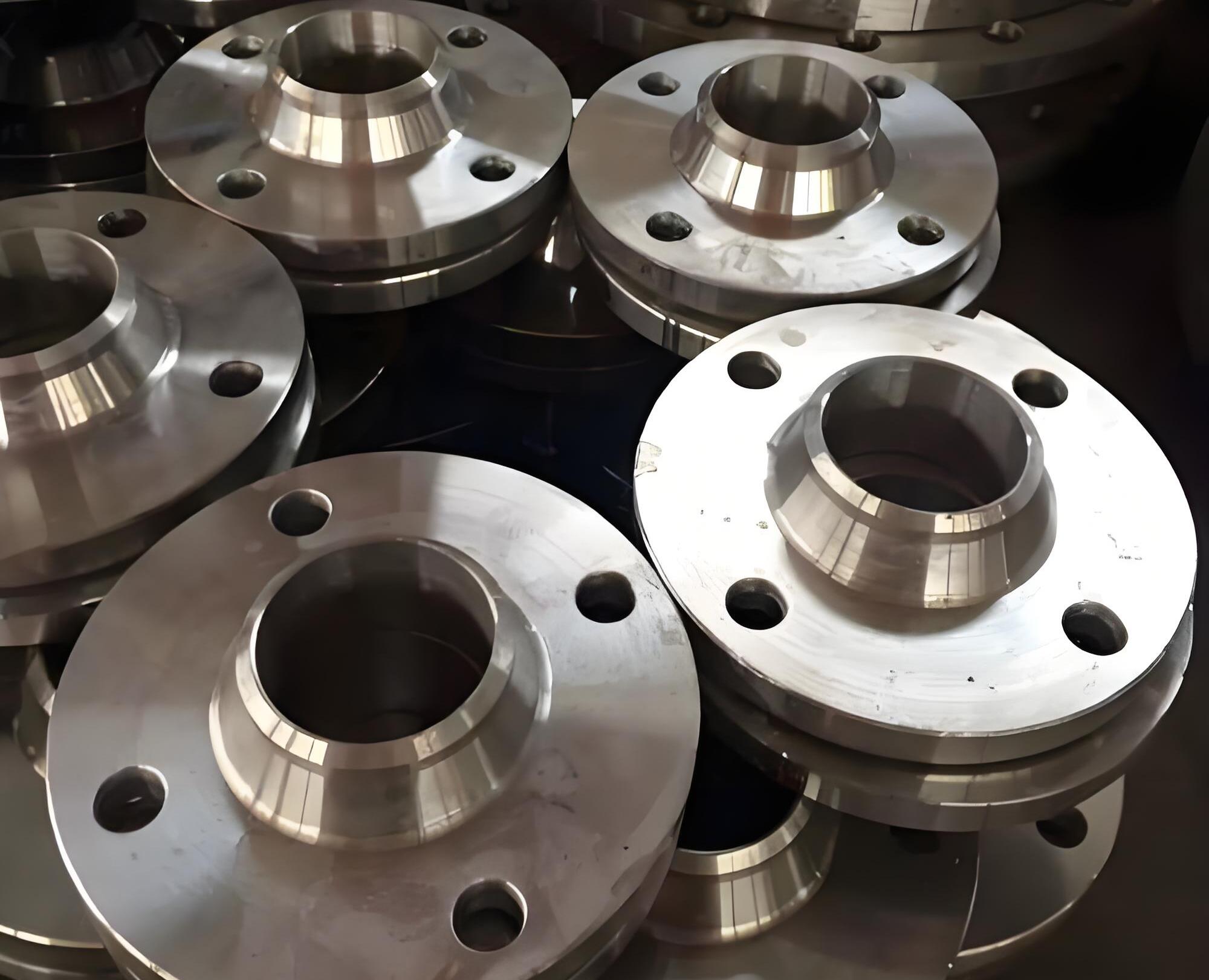
American standard flanged pipe fittings
American standard flanged pipe fittings adopt inch NPS specifications and the Class pound-rated pressure system. Flange outside diameter, bolt hole spacing, and sealing face dimensions all follow American standard specifications, and are not interchangeable with the dimensional systems of national standard or European standard pipe fittings, nor can they be directly interchanged. Product categories cover American standard flanged elbows, tees, reducers, crosses, pipe caps, blind flanges, nipples, and more, relying on flanges, bolts, and gaskets to achieve pipeline sealing and disassembly. Forming processes include forging, seamless pushing, steel plate rolling, and casting, and can adapt to working conditions such as high temperature, high pressure, oil and gas, chemical, and seawater, and are used to transport media such as crude oil, natural gas, steam, process chemicals, and circulating cooling water. We can provide MTR material certificates, nondestructive testing reports, and hydrostatic test reports, with complete Chinese and English documentation. Our products are exported to North America, the Middle East, Southeast Asia, Australia, and other countries and regions that adopt the American standard system. If you need to confirm specific specifications, materials, or pressure ratings, please contact us.
Learn More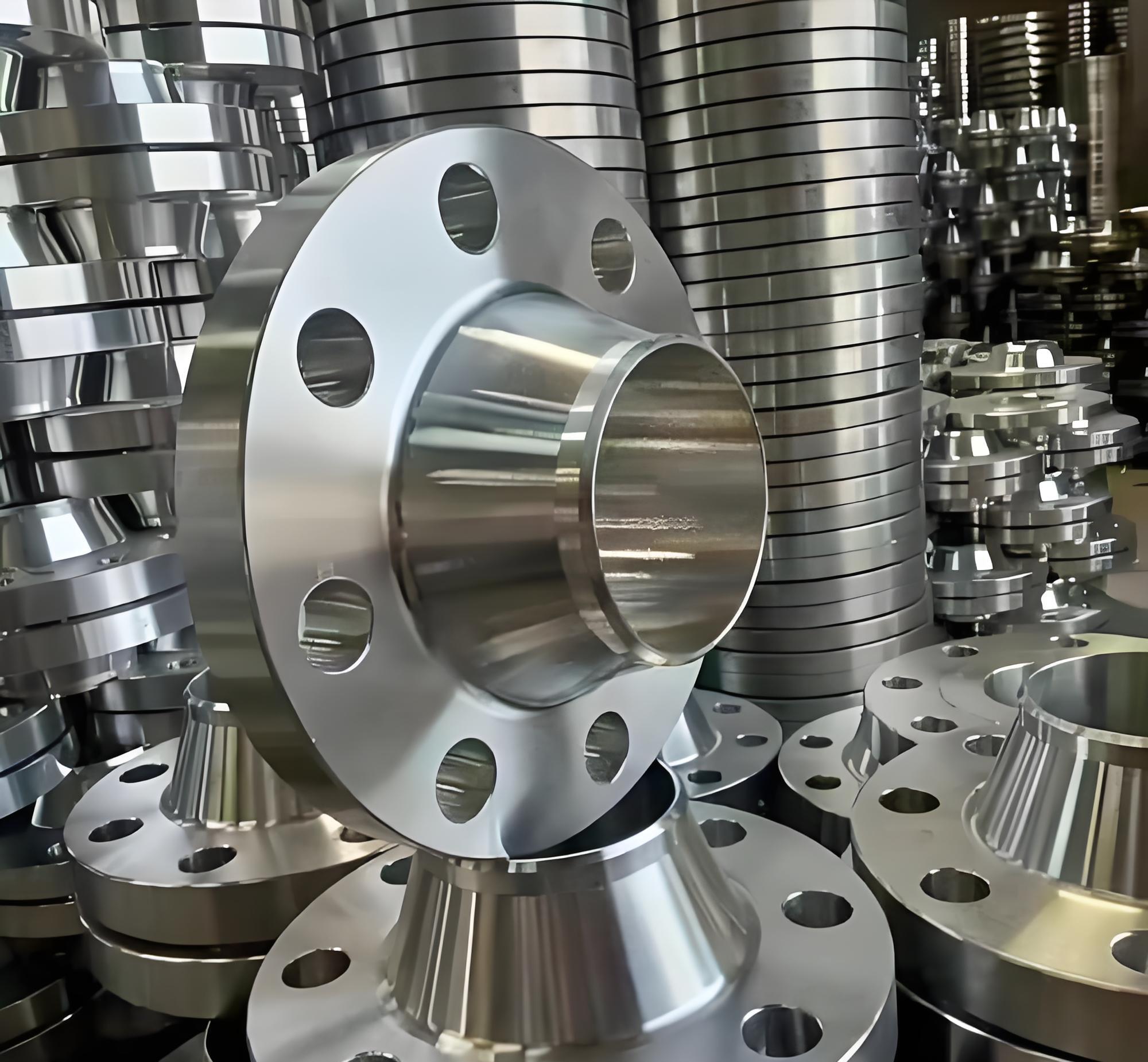
Japanese Standard Flanged Pipe Fittings
The Japanese standard flanged pipe fittings we produce strictly implement the Japanese Industrial Standards JIS B2220 and JIS B2291, and have independent flange outer diameter, K-class pressure, bolt hole spacing, and sealing face specifications, which are incompatible with the dimensional systems of Chinese standard, European standard, and American standard pipe fittings and cannot be directly interchanged or connected. Raw materials can be selected from Japanese-grade materials such as SS400 carbon steel, SCPH2 cast steel, SCS13/SCS14 stainless steel, and 304/316L austenitic stainless steel. The forming processes include forging, seamless pushing, steel plate rolling, and casting. The nominal diameter covers DN15 to DN2000, and the pressure ratings adopt the Japanese standard K-class: 5K, 10K, 16K, 20K, and 30K. Product categories include Japanese standard flanged elbows, tees, concentric/eccentric reducers, cross fittings, pipe caps, blind plates, and nipples, etc., relying on flanges, bolts, and gaskets to achieve rapid disassembly, assembly, and sealing of pipelines. They are suitable for medium-low pressure to medium-temperature working conditions such as water supply and drainage, circulating water, gas, HVAC, ships, food and pharmaceuticals, and process pipelines of Japanese-owned factories, and the media include tap water, sewage, low-pressure steam, and weakly corrosive fluids. We can provide Japanese-English bilingual material certificates, hydrostatic test reports, and spectral inspection reports, and supply in large quantities to Japan itself, Japanese-funded enterprises in China, Southeast Asia, and South Korea.
Learn More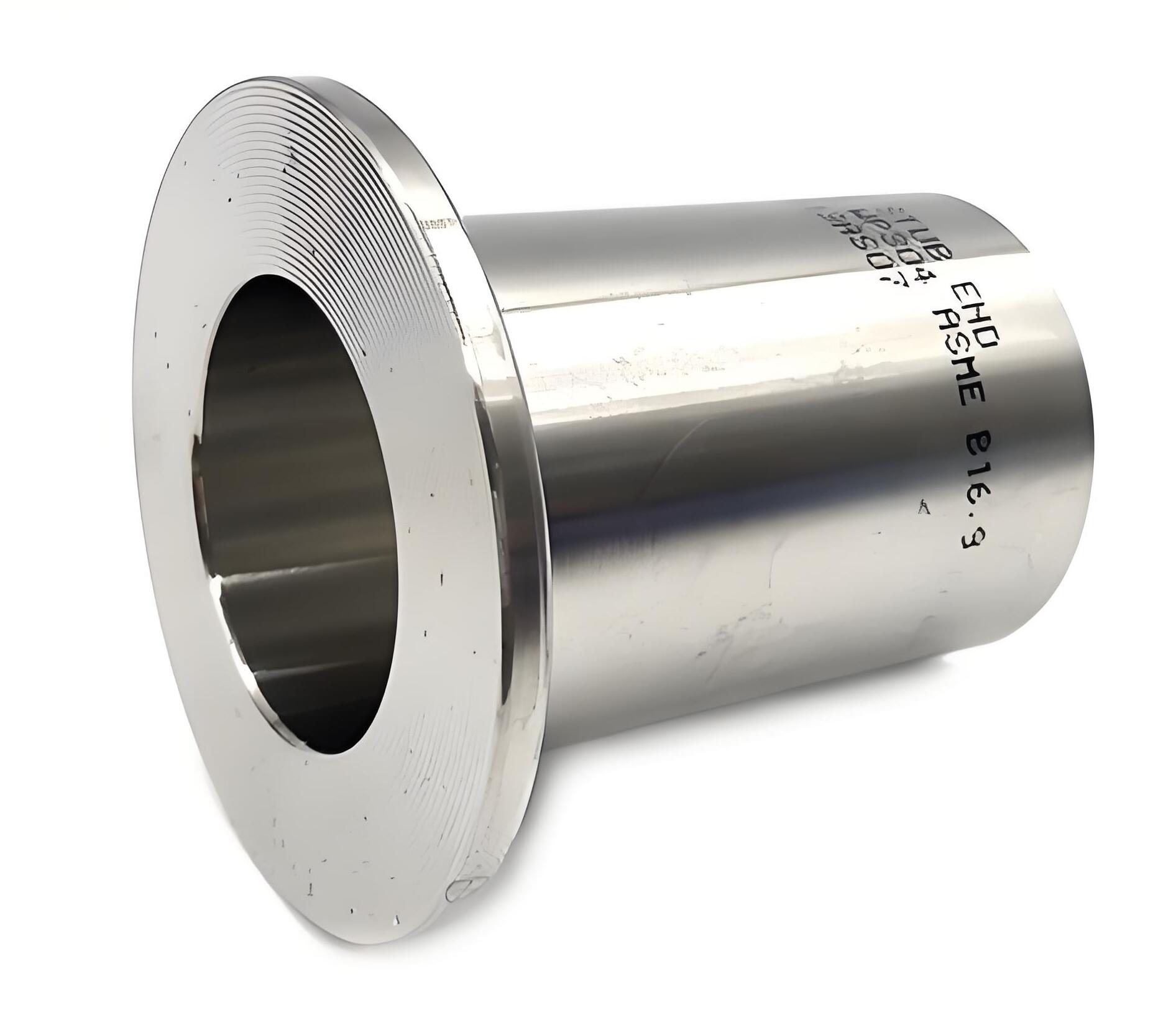
National Standard Stub End
National standard lap joint stub end, also called lap joint short pipe, loose flange lap ring, or lap joint, is a pipe fitting used in national standard piping systems together with loose flanges. During installation, the loose flange slides freely on the stub end body, and tightening the bolts only presses the lap end face to complete the seal. The pipe body does not bear the torsional stress of the flange, so it is suitable for pipelines that require regular disassembly and maintenance. Product specifications cover DN15~DN2000, imperial 1/2″~48″, wall thickness follows the SCH standard series, and can adapt to PN10~PN160 pressure ratings. Materials include carbon steel, stainless steel, alloy steel, and duplex steel. There are three production processes: seamless hot-pressed lap, steel plate rolled lap, and forged machined lap. The lap end face is flat, and the rounded corner transition is smooth. We can confirm specific specifications, materials, and quantities according to project requirements. Welcome to contact us for a quotation.
Learn More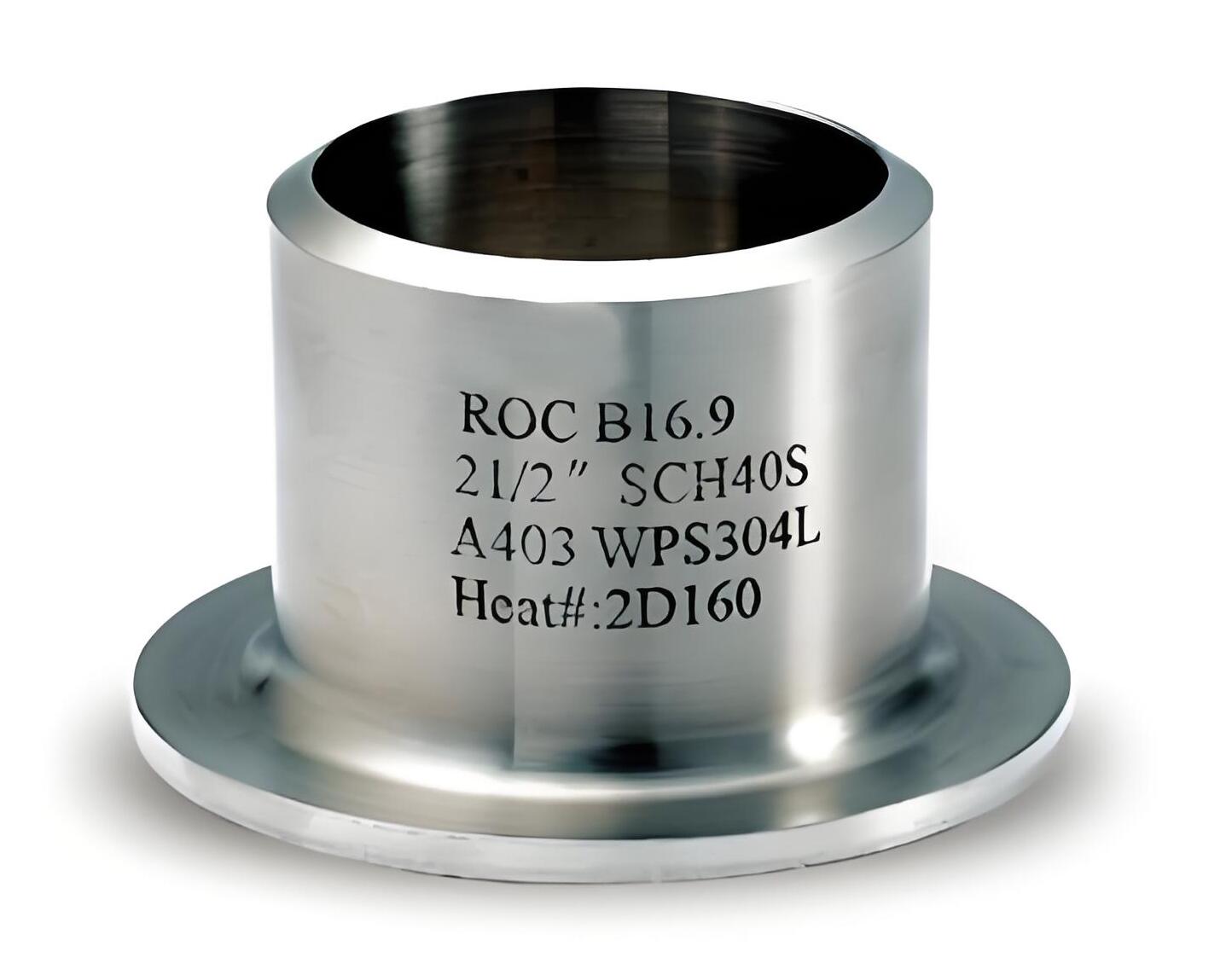
ASME Stub End
American standard lap joint stub ends are integrally formed by a straight pipe section and an outwardly flanged lap ring at the end, welded to the pipe end, and paired with American standard loose flanges to form a detachable connection. The loose flange can rotate freely on the pipe body; when the bolts are tightened, it only presses the flanged end face to achieve sealing, and the pipe body itself does not bear the torsional stress of the flange, making later disassembly and maintenance convenient. Product specifications cover NPS1/2 to NPS48, wall thicknesses include the SCH series and the XXS thickened series, and pressure ratings are compatible with Class150 to Class2500. Raw materials use A234 WPB carbon steel, A403 stainless steel, A182 series alloy steel, and 2205/2507 duplex steel; forming processes include seamless hot pressing, steel plate rolling and welding, and forged machining. The flanged rounded transition is smooth, the end face is flat, and dimensional tolerances are controlled according to American standard requirements, allowing interchangeability and pairing with loose flanges of the same standard.
Learn More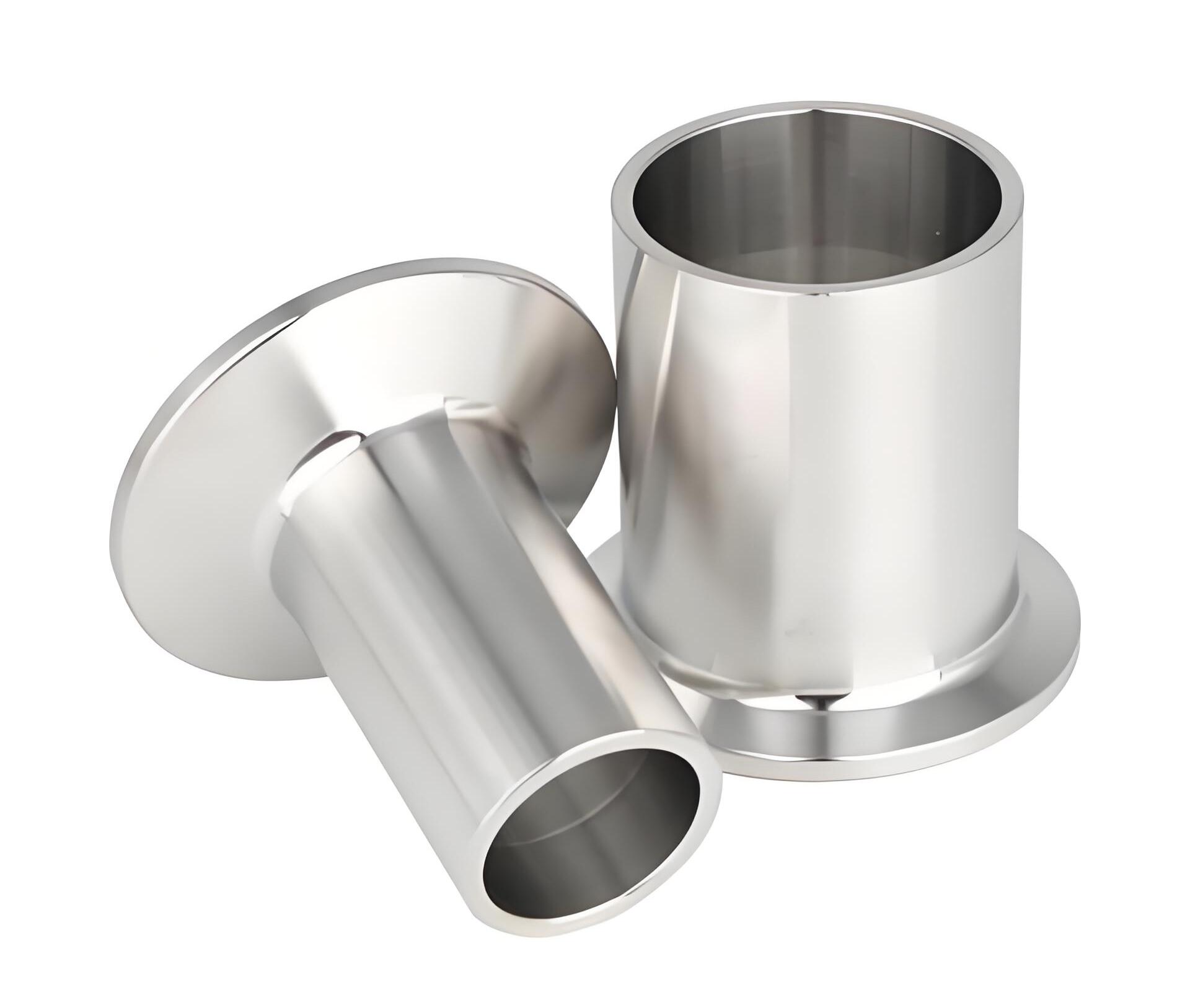
European standard lap joint stub end
The European standard lap joint stub end is a matching pipe fitting in the European standard lap joint flange connection system, with the English name Lap Joint Stub End, implemented according to EN 10253 and DIN 2642 standards. Structurally, it is integrally formed by a straight pipe section and an outwardly flanged ring formed at the end, and is welded to the pipe end; the lap joint flange can rotate freely on the stub end body, and when the bolts are tightened, only the flanged end face is pressed to achieve sealing, so the pipe body does not bear the torsional stress of the flange, which facilitates later pipeline disassembly, inspection, and maintenance. Product specifications cover DN15–DN2000, with corresponding outer diameters according to the EN/DIN European standard pipe outer diameter system; wall thicknesses include S series and SCH series, suitable for PN6 to PN160 European standard pressure ratings. Raw materials use European standard grade steel, including P265GH carbon steel, 1.4301/1.4404 stainless steel, 13CrMo44 alloy steel, 1.4462 (2205), and 1.4507 (2507) duplex steel. Forming processes include seamless hot-pressed flanging, steel plate rolling and welding, and forged machining. The flanged rounded transition is smooth, the end face is flat, and dimensional tolerances follow European standard specifications, allowing interchangeability and matching with European standard lap joint flanges of the same specifications worldwide.
Learn More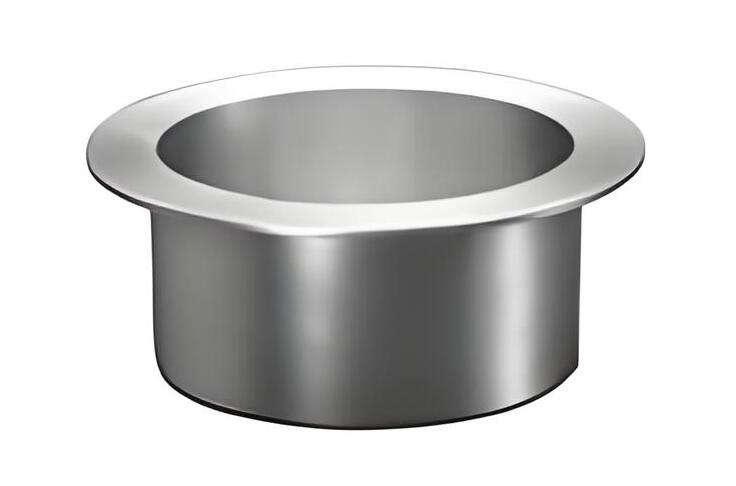
Japanese standard lap joint stub end
The Japanese standard lap joint stub ends we produce are manufactured in accordance with the JIS B2321 Japanese Industrial Standard, and are integrally formed from a straight pipe section and an end external flared sealing ring. During installation, the pipe body is butt-welded to the pipeline, and is matched with a Japanese standard loose flange that slides, rotates, and locks freely, without the need to rotate the pipe body itself, which can reduce the torsional stress and high-altitude alignment deviation caused by traditional welded flanges. The product nominal diameter adopts the Japanese A series specifications, covering 15A–1500A, the wall thickness includes the STD, XS, and SCH series, and the pressure ratings cover 5K, 10K, 16K, and 20K. The materials are Japanese standard dedicated grades, including SS400 carbon steel, SUS304/SUS316L stainless steel, STPA23/STPA24 alloy steel, and SUS329 duplex steel. The forming processes are divided into three categories: seamless hot pressing, rolled and welded, and forged machining. The flared rounded corner transition is uniform, the end face is flat, and the dimensional tolerances and groove angles are controlled according to Japanese standard requirements, allowing interchangeability with Japanese standard flanges of the same specifications worldwide.
Learn More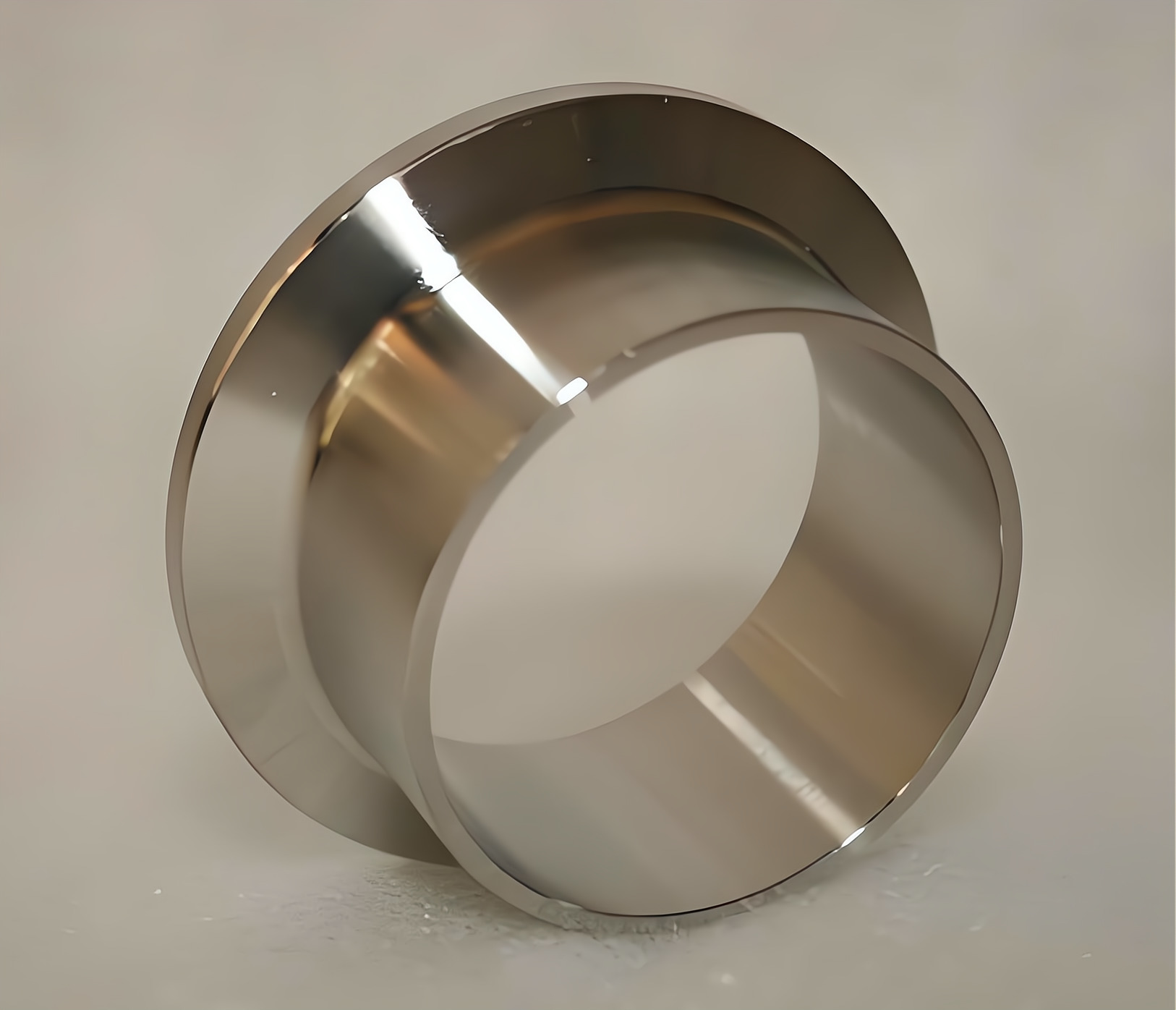
DIN standard lap joint stub end
The German standard lapped stub end is integrally formed by a straight pipe section and an end flared ring shaped by outward flaring. During construction, the pipe body is butt-welded to the pipeline, and the loose flange can rotate freely on the stub end pipe body. When the bolts are tightened, only the flared end face is pressed to achieve sealing, and the pipeline body does not bear the torsional stress of the flange, which facilitates later pipeline disassembly and maintenance. The product's nominal diameter covers DN15–DN2000 and adopts the German standard pipe outer diameter system; the wall thickness includes the S series and SCH series, adapting to German standard pressure ratings PN6, PN10, PN16, PN25, PN40, PN63, PN100, and PN160. The raw materials use German standard grade steel, including P265GH carbon steel, 1.4301/1.4404 stainless steel, 13CrMo44 alloy steel, 1.4462 (2205), and 1.4507 (2507) duplex steel. The forming processes include seamless hot-pressed flaring, steel plate rolling and welding, and forged machining. The flared fillet transition is smooth, the end face is flat, and the dimensional tolerances follow DIN specifications, allowing interchangeable matching with German standard loose flanges of the same specifications worldwide.
Learn More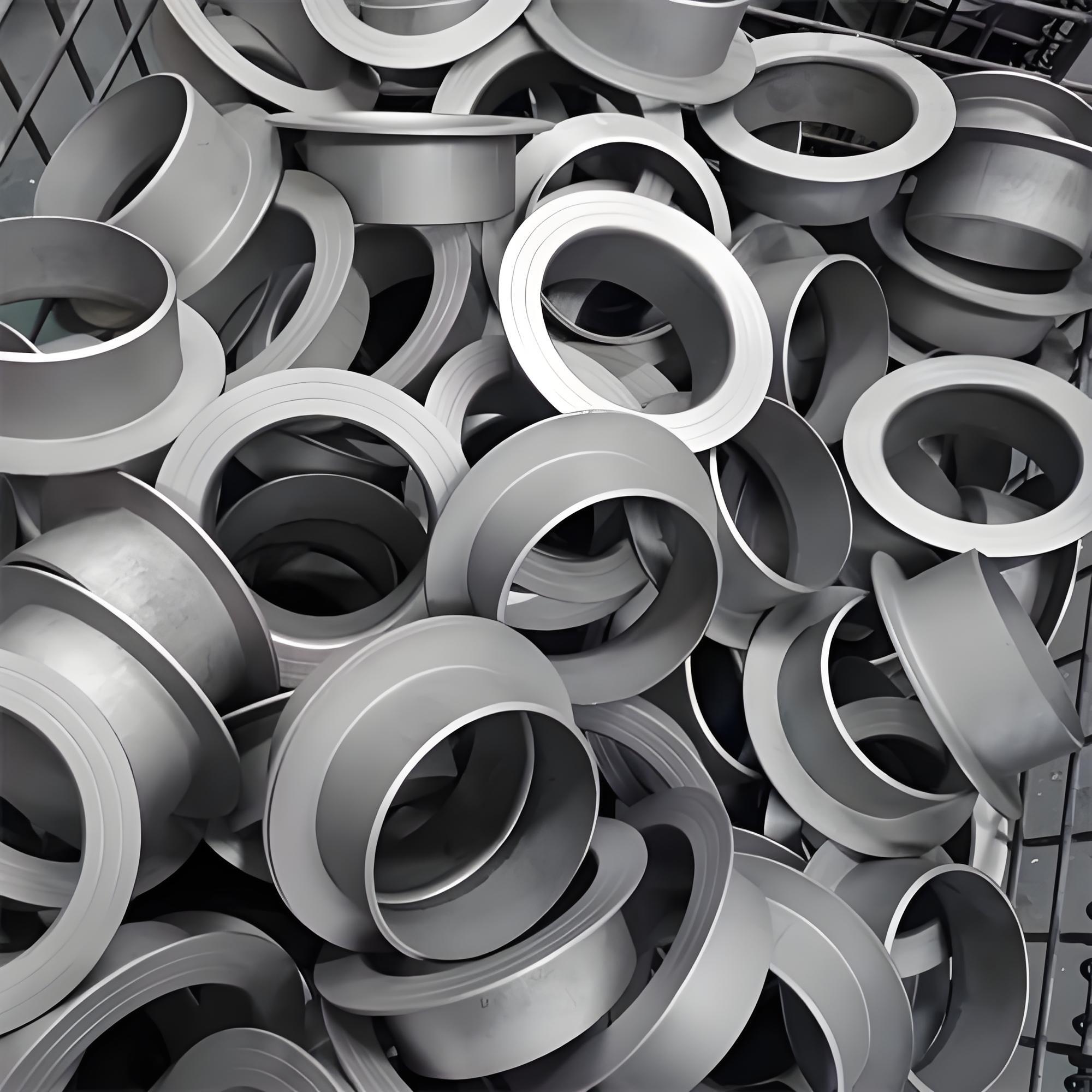
Non-standard stub end
Non-standard lap joint stub ends do not have fixed standard specifications under national standards, American standards, European standards, or Japanese standards. The pipe body is butt welded, the end is flared outward for sealing, and with a backing flange it can rotate freely and lock tightly. During installation, it can avoid pipeline torsional stress and weld seam cracking. The product has no fixed restrictions on nominal diameter, wall thickness, length, or pressure rating, and can process non-standard sizes within the range of DN10–DN3000, supporting special-shaped structures such as ultra-short, ultra-long, thickened, thinned, eccentric, reducing, and widened sealing surface. Materials cover carbon steel, the full series of stainless steel, chrome-molybdenum alloy steel, 2205/2507 duplex steel, and special corrosion-resistant alloys. Processes include seamless special-shaped hot pressing, large steel plate rolling, and precision forging machining. We produce according to drawings or measured data, with MOQ as low as 1 piece, and conventional simple non-standard structures are delivered within 3–5 working days after drawing confirmation. For specific dimensions, materials, and working condition adaptation solutions, please contact us for confirmation.
Learn More