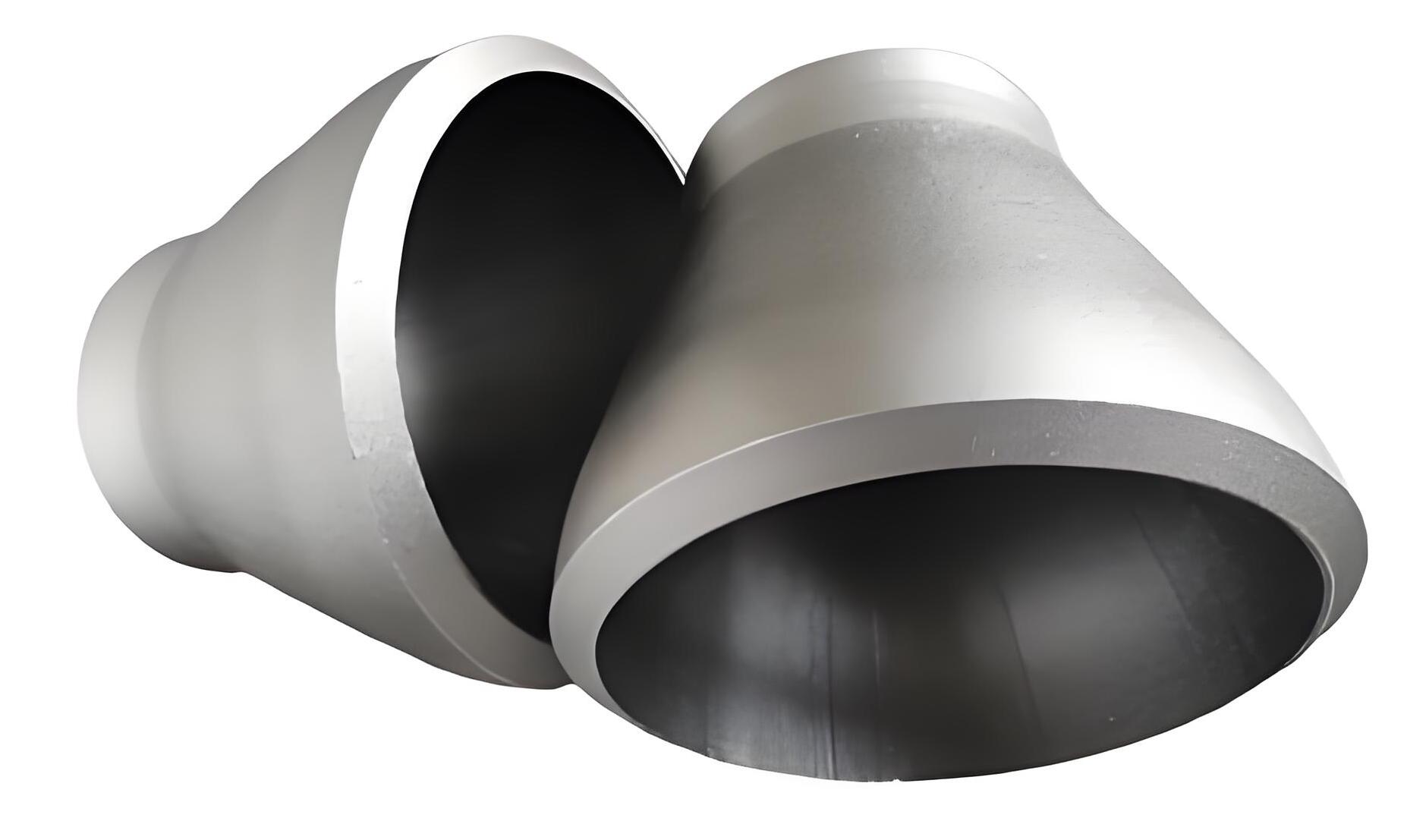
GB standard reducer
National standard reducers are used to connect two pipes of different nominal diameters in pipeline systems built to the national standard system, adjusting medium flow velocity, flow rate, and pressure through the reducing structure, and reducing fluid turbulence impact and local scouring wear. The products are manufactured according to GB/T 12459 and GB/T 13401. Concentric reducers are mostly used for vertical pipelines and the inlet and outlet of vertical equipment, while eccentric reducers are used for horizontal pipelines and can prevent gas and liquid accumulation. The diameter range covers DN15 to DN2000, and pressure ratings include PN10, PN16, PN25, PN40, PN63, PN100, etc. Materials can be selected from carbon steel, stainless steel, alloy steel, and duplex steel. Forming processes include seamless hot pushing, steel plate roll welding, and forging. Before delivery, treatments such as sandblasting and rust removal, pickling and passivation, and anti-corrosion coating can be performed as needed. We serve domestic engineering general contractors, petrochemical and chemical EPC companies, power and energy infrastructure builders, municipal heating and gas construction enterprises, as well as pipeline and pipe fitting wholesalers and foreign trade export supporting customers.
Learn More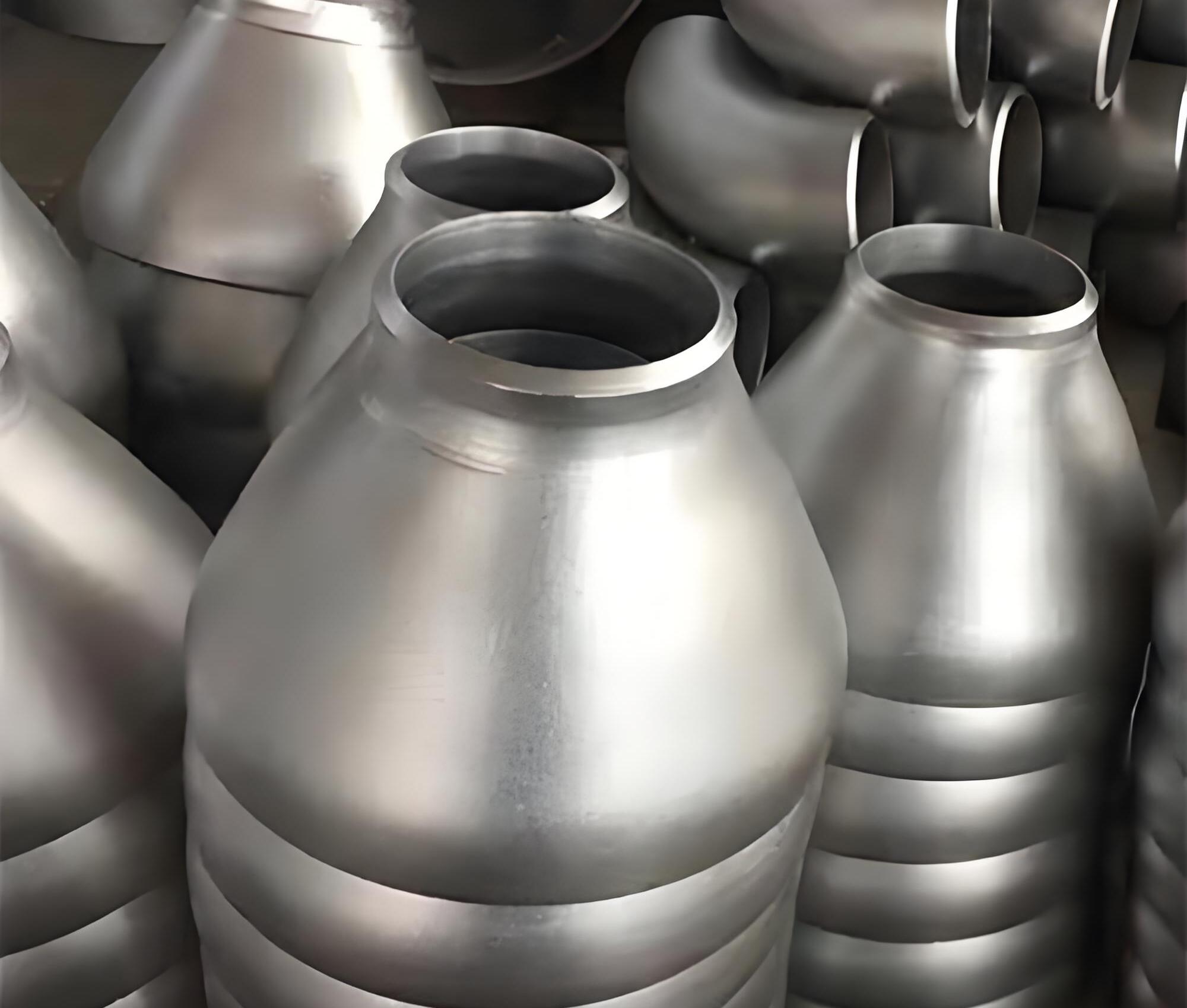
American standard reducer
American standard reducers are used for smooth transition between two pipes of different NPS inch specifications in American standard piping systems, regulating medium flow velocity, flow rate, and pressure, and reducing fluid turbulence impact and local erosion. The products are manufactured according to the ASME B16.9 and MSS SP-43 systems, with end bevels, outer diameters, lengths, and tolerances following American standard specifications, and can be interchanged with American standard pipes, flanges, and valves. Structurally, they are divided into concentric and eccentric types: concentric types are mostly used for vertical pipelines, vertical equipment connections, and gas-phase process pipelines; eccentric types are mostly used for horizontal pipelines, with one side's generatrix flush to avoid gas accumulation and liquid accumulation. Nominal sizes are NPS 1/2″-48″ (DN15-DN1200), adopting the Schedule wall thickness system, covering SCH10, SCH40, SCH80, SCH160, XXS, etc., with pressure ratings corresponding to Class150-Class900. Mainstream materials include ASTM A234 WPB carbon steel, A403 stainless steel, A234 WP series alloy steel, and A815 duplex steel. Forming processes include seamless hot pushing, steel plate roll welding, and forging, supporting both stock items and non-standard customization.
Learn More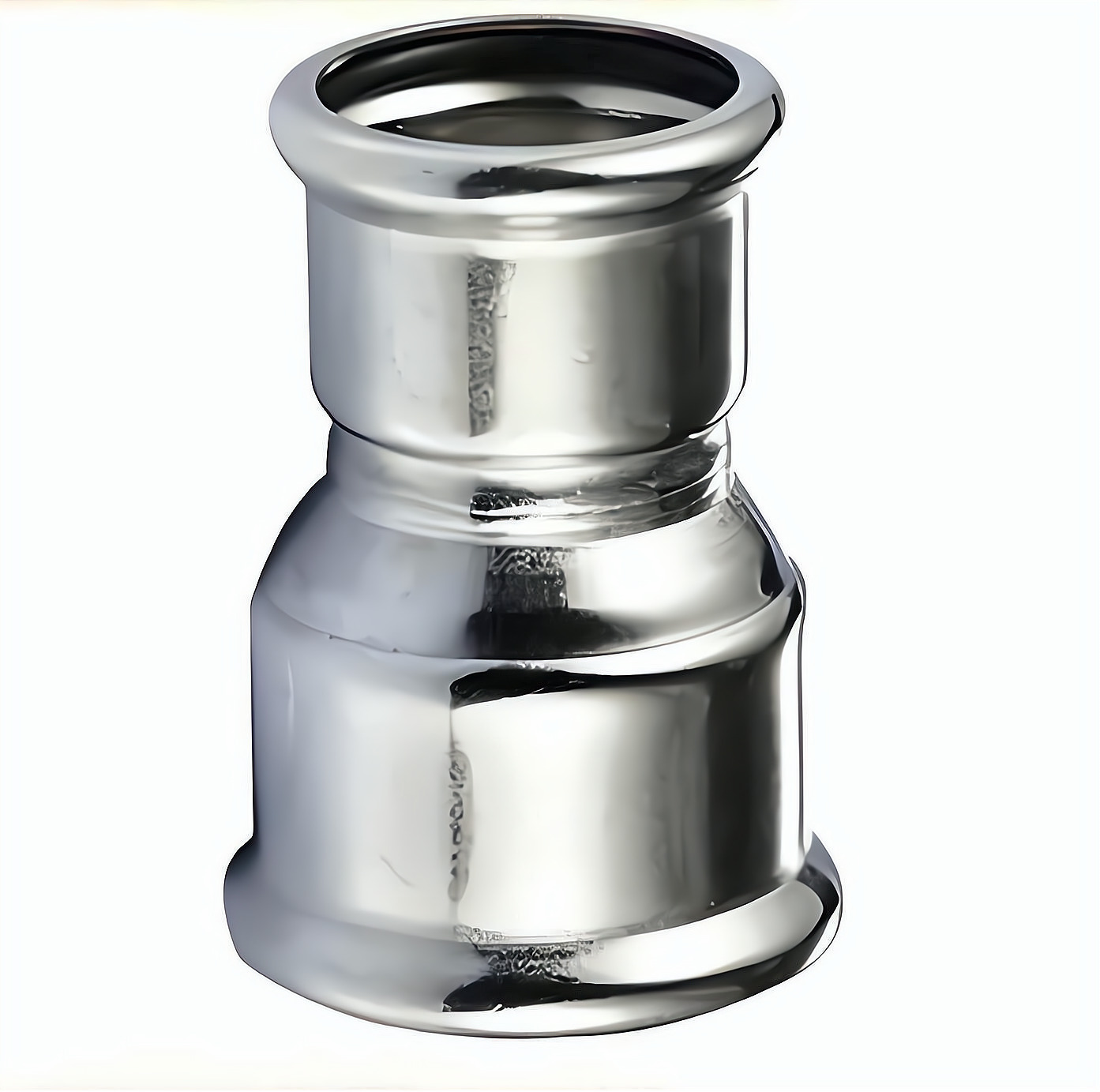
European standard reducer
European standard reducers, also known as alloy reducers, are reducing pipe fittings used under high-temperature, high-pressure, hydrogen-containing, and heat-resistant working conditions. Unlike ordinary carbon steel or stainless steel pipe fittings, they use chromium-molybdenum alloy and low-alloy heat-resistant steel as base materials and are produced by hot-pressing push forming, seamless forming, or CNC precision rolling processes. The products are divided into two basic structures: concentric and eccentric, with nominal diameters covering DN15–DN2000, complying with multiple national standards such as ASME B16.9, GB/T12459, DIN, EN, GOST, and JIS, and adapting to wall thickness grades such as SCH40, SCH80, SCH160, and XXS. Mainstream materials include grades such as 15CrMo, 12Cr1MoV, Cr5Mo, P11, P12, P22, P91, and 16Mn/Q345B. They are used to connect pipes of different diameters, smoothly transition media, reduce turbulence, impact, and pipeline fatigue loss, and are suitable for scenarios such as thermal power generation, cogeneration, petrochemical refining, and boiler piping. If you need to confirm specific specifications, materials, or standards, please contact us.
Learn More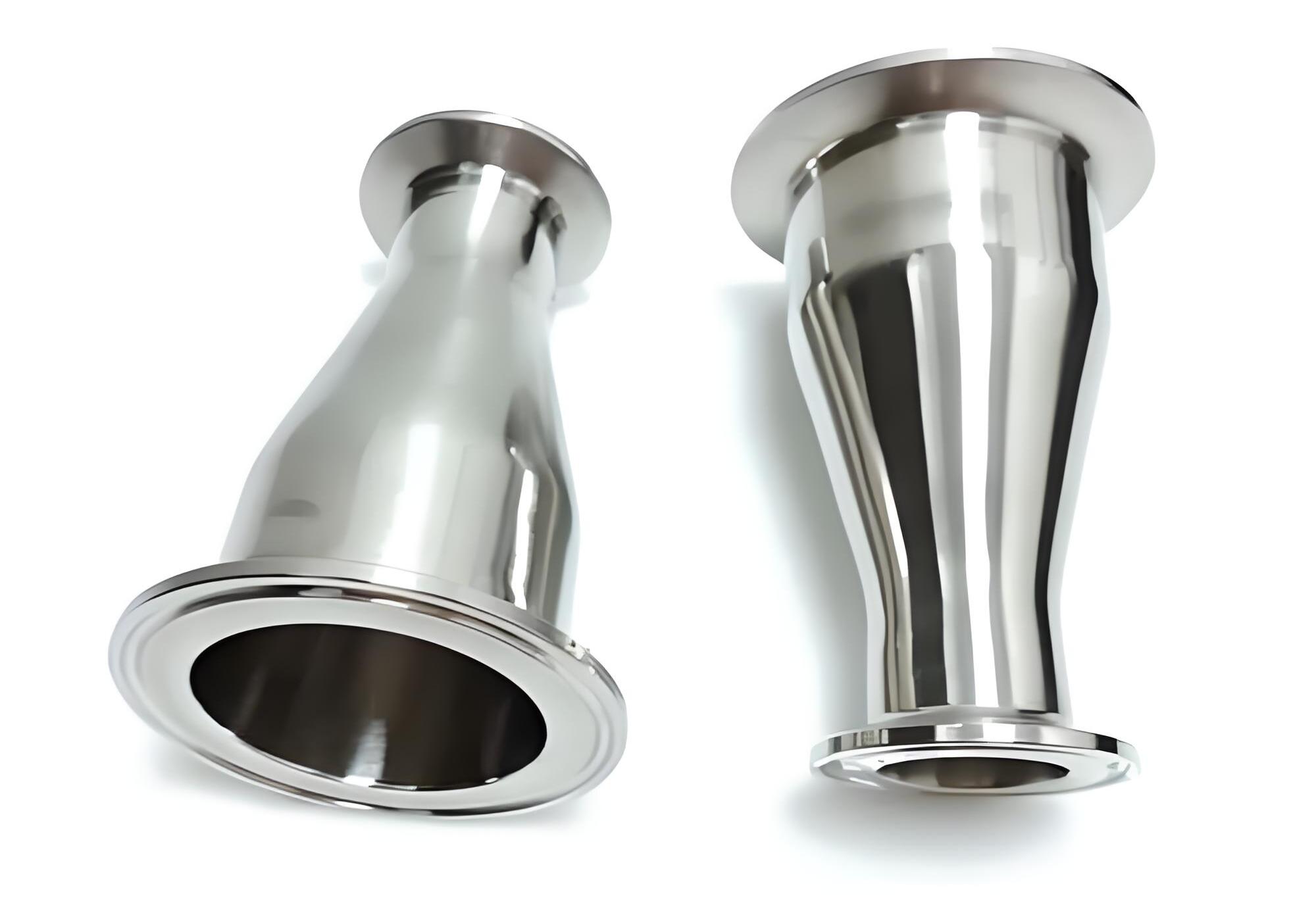
German standard reducer
German standard reducers are manufactured strictly in accordance with German DIN industrial standards, with the industry mainstream implementing the DIN2616 standard, and are used for transitional connections between two pipes of different nominal diameters in pipeline systems. The products are divided into two major structural forms: concentric reducers and eccentric reducers. The production processes are divided into two types: seamless pressing and butt welding. A distinction is made between the DIN2616-1 pressure-reducing type and the DIN2616-2 full-pressure type, two pressure ratings. Materials include German standard carbon steels St37, St44, P235GH, P265GH, as well as stainless steels 1.4301 (304), 1.4404 (316L), 1.4462 duplex steel, etc. The product dimensional tolerances, mechanical properties, and non-destructive testing all meet German industrial acceptance requirements, and can withstand complex working conditions such as high temperature, high pressure, and acid-base corrosion. As a source factory, we can supply from stock and also support non-standard customization, complete with PED CE certification and TUV inspection reports, meeting the needs of European project bidding, cross-border export customs clearance, and on-site completion acceptance.
Learn More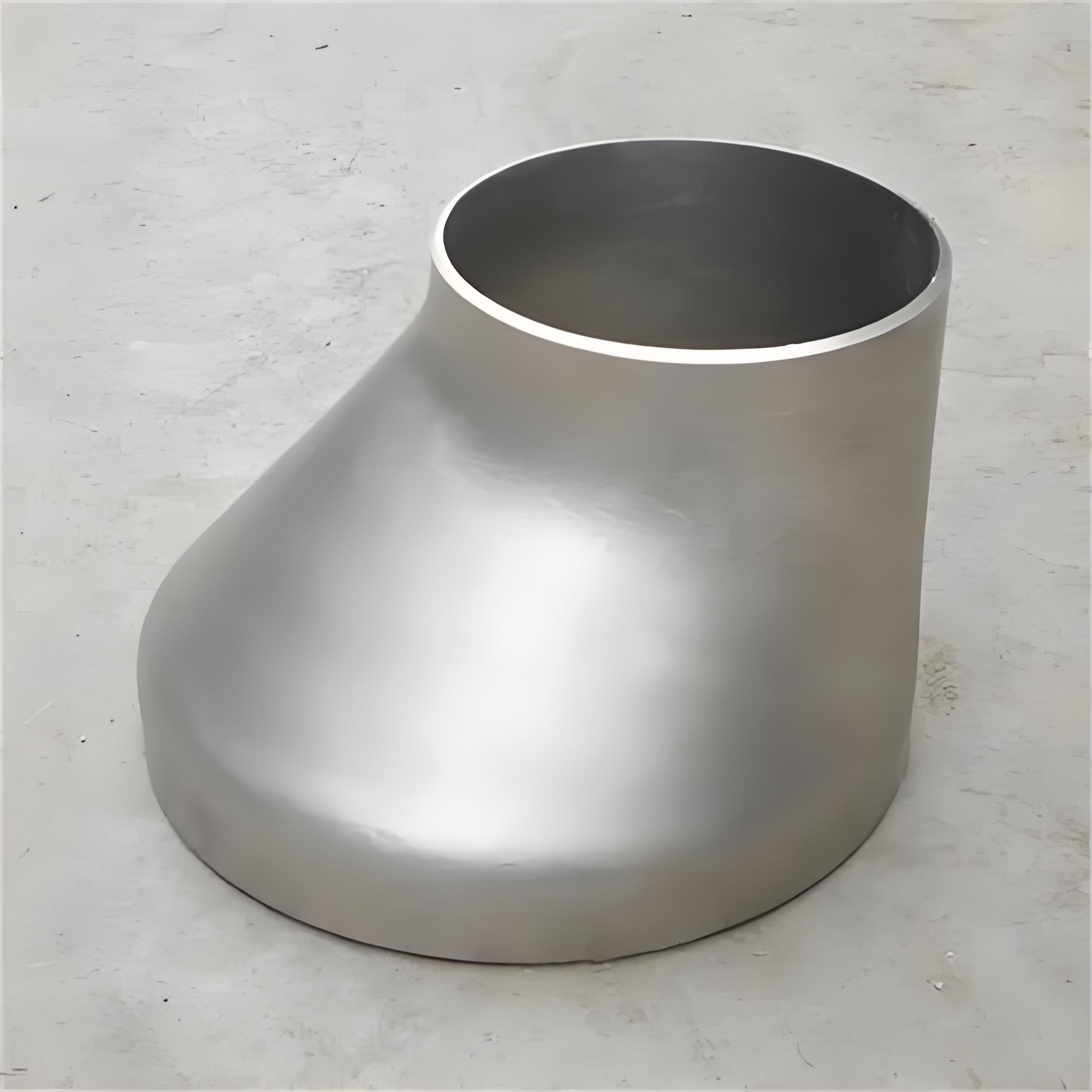
Russian standard reducer
Russian-standard reducers are pipe reducing fittings manufactured in accordance with the GOST 17378-2001 standard. In pipeline systems, they connect pipe sections of different nominal diameters, serving to regulate medium flow velocity, balance pipeline pressure, and reduce fluid turbulence and eddy impact. The products are divided into two categories: concentric reducers (Type K) and eccentric reducers (Type E). The concentric type is used for vertical pipelines to ensure stable vertical fluid conveyance; the eccentric type is used for horizontal pipelines to avoid liquid accumulation and gas pockets, protecting pumps and instruments. Production processes include seamless hot-pressed forming and steel plate rolled and butt-welded fabrication, with conventional and high-pressure versions distinguished by pressure rating. Materials cover Russian-standard dedicated grades such as Ст20 carbon steel, 09Г2С low-alloy steel, 12Х18Н10Т and 08Х18Н10 stainless steel, and 15Х5М alloy steel. Nominal diameters range from DN15 to DN800, pressure ratings from PN6 to PN63, with a maximum pressure bearing capacity of 10 MPa. The products are mainly aimed at oil and gas extraction, refining and chemical engineering, thermal power stations, municipal heating and water supply, pressure vessels, and ship pipeline projects in the Russian and CIS markets. We can provide Russian-standard material certificates and factory inspection reports, and support non-standard customization.
Learn More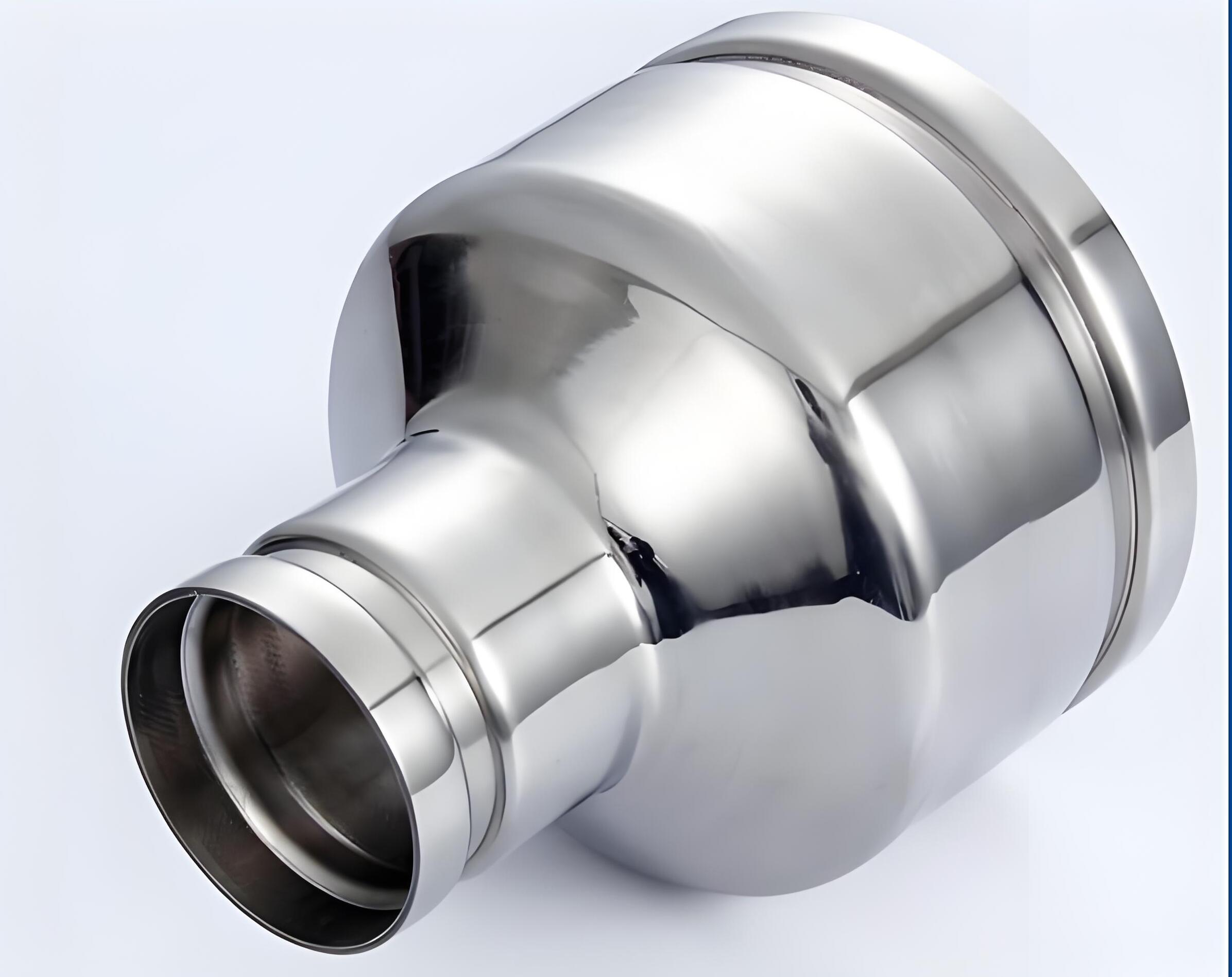
Japanese standard reducer
The Japanese standard reducers we produce comply with JIS B2311, JIS B2312, and JIS B2316 standards, with nominal diameters covering 15A to 600A, wall thickness grades from Sch10 to Sch160, and pressure ratings covering 10K, 20K, 30K, and 40K. The products are divided into concentric reducers and eccentric reducers: the concentric type is mostly used for vertical riser diameter reduction, while the eccentric type is mostly used for horizontal pipelines, keeping the bottom of the pipe flat to reduce liquid accumulation and gas pockets. In terms of process, seamless hot-pressed forming and steel plate rolled and welded forming are adopted, and carbon steel and stainless steel materials are selected according to Japanese-specific grades. Dimensional tolerances, wall thickness, mechanical properties, and non-destructive testing are implemented in accordance with JIS specifications, and Japanese-language material certificates and factory inspection reports can be provided, for use in Japanese-style project bidding, customs clearance, and on-site completion acceptance. Conventional specifications are in stock, and non-standard customization is also accepted.
Learn More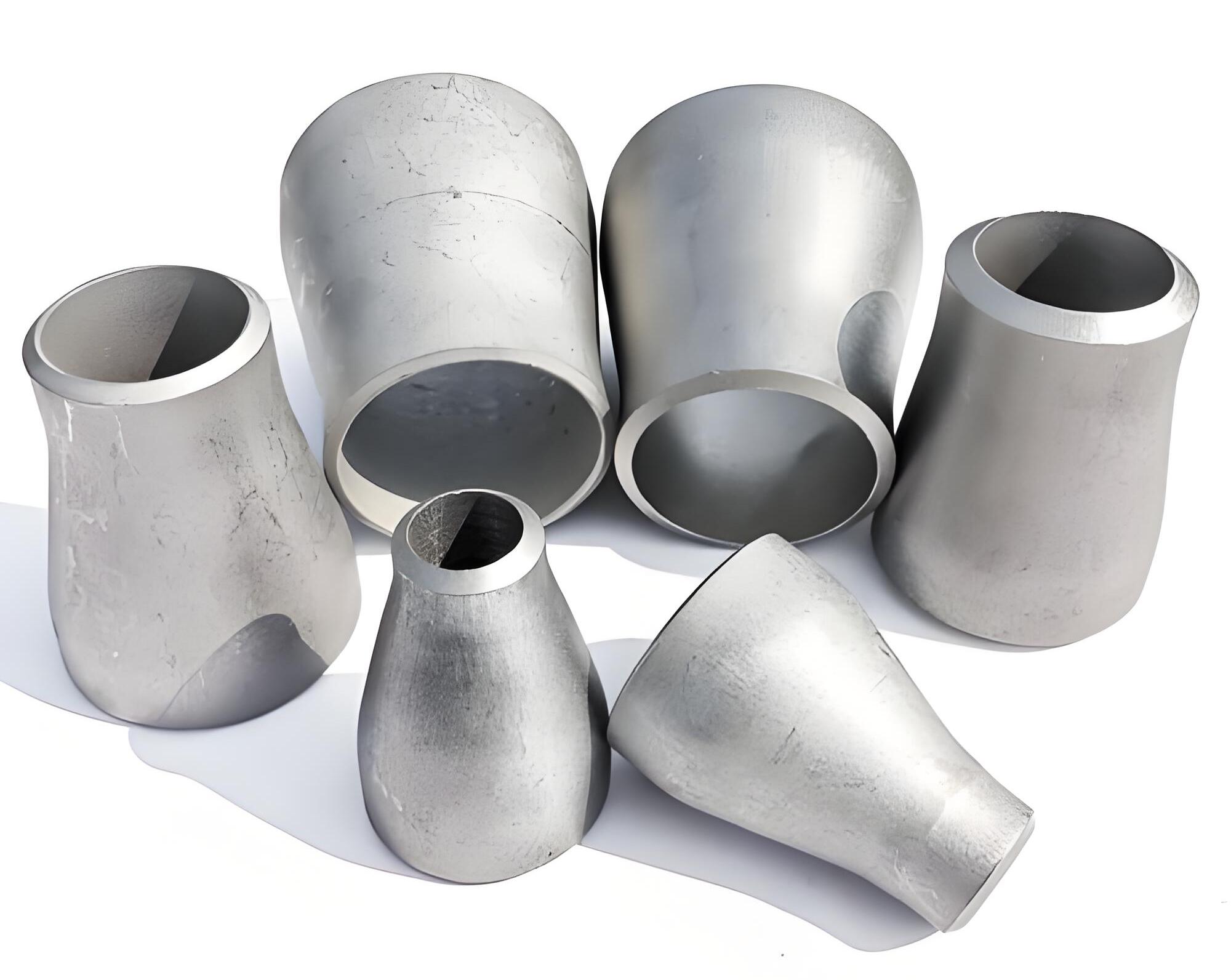
Non-standard reducer
When the on-site pipeline diameter, taper, wall thickness, or connection structure does not match standard pipe fittings, non-standard reducers are custom fittings used to solve such transition problems. We can design and process them separately according to drawings, dimensional parameters, and working condition requirements provided by the customer. Structurally, concentric or eccentric types are available; processes include seamless hot pressing, steel plate rolling and welding, and forging; materials can be carbon steel, stainless steel, alloy steel, wear-resistant materials, and insulated composite materials. Customization is supported for special wall thicknesses, extremely large diameter reduction differences, extended sections, special tapers, irregular ports, and more. The products are mainly used in industrial technical transformation, old pipeline renovation, special equipment, mining, metallurgy, environmental protection, and powder conveying scenarios. Before purchasing, it is recommended to provide diameter, wall thickness, length, taper, pressure and temperature, and connection method, based on which we will confirm the processing plan and quotation.
Learn More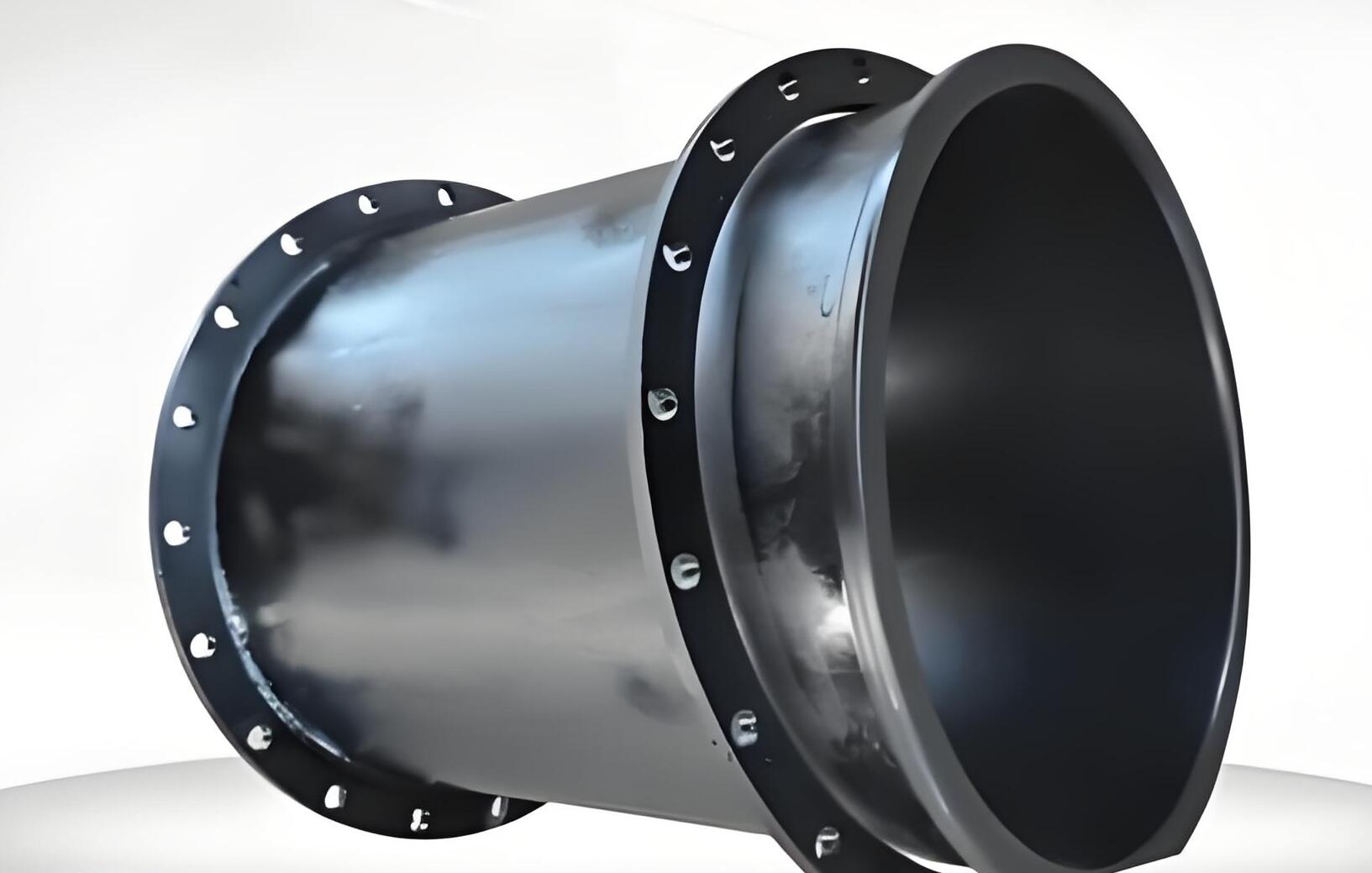
Rubber-lined anti-corrosion reducer
Guojie rubber-lined anti-corrosion reducer is used for the smooth transition of large and small pipe diameters in pipeline systems, solving the problems of ordinary carbon steel and stainless steel reducers being prone to corrosion perforation and erosion wear under acid-base and particle-containing slurry working conditions. The outer layer of the product is a Q235B or 20# carbon steel welded shell, and the inner layer is high-temperature vulcanized rubber. The rubber layer is dense and seamless, which can isolate acid-base media, chloride ions, and particle slurry from direct contact with the metal substrate. The structure is divided into concentric type and eccentric type: the concentric type is mostly used for vertical risers and desulfurization main pipelines to ensure stable vertical medium transportation; the eccentric type is mostly used for horizontal pipelines, keeping the pipe bottom flush to reduce sediment crystallization deposition. The nominal diameter covers DN25 to DN1000, supports non-standard diameter reduction customization, and pressure ratings include PN6, PN10, and PN16. Ordinary rubber is suitable for -20℃ to 85℃, and special temperature-resistant rubber can reach 120℃. Before leaving the factory, it undergoes spark testing, appearance inspection, and pressure leak testing.
Learn More