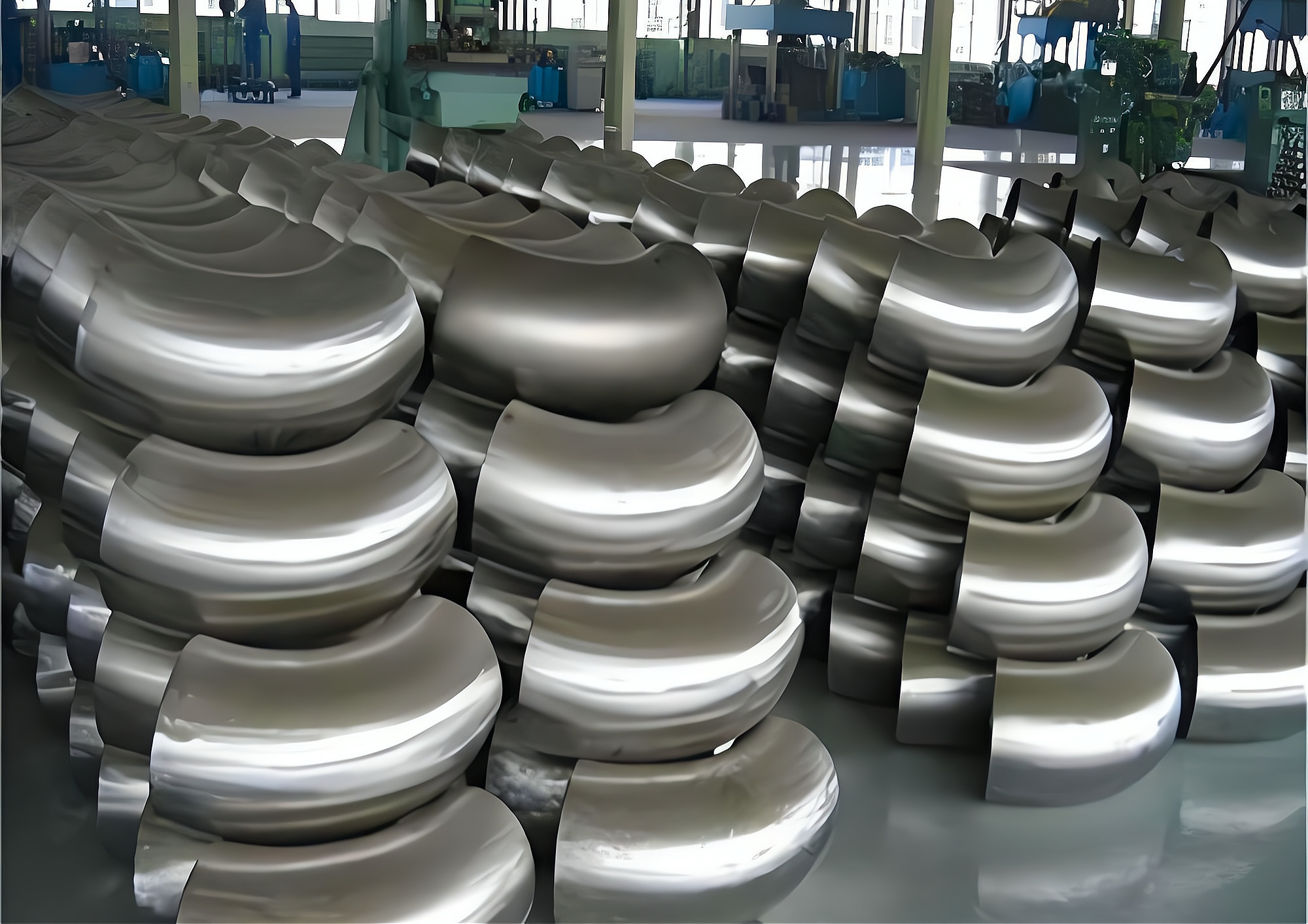
DIN standard elbow
German standard elbows are used to change the direction of pipeline medium conveyance and are directional pipe fittings in German industrial pressure pipelines. The products adopt seamless hot pushing, steel plate rolling, and die forging forming processes. The mainstream grades include St37.2 carbon steel, P265GH pressure-bearing carbon steel, 16Mo3 heat-resistant alloy steel, and 1.4301/1.4404 stainless steel. Specifications adopt DN metric nominal diameter. Conventional angles include 45°, 90°, and 180°. Bending radii include 1.0D short radius, 1.5D standard long radius, and 3D large radius. The products implement German precision requirements in dimensional tolerances, roundness, end face flatness, heat treatment, and non-destructive testing, and can be supplied as complete sets with German standard tees, branch outlets, and flanges. Before purchasing, it is recommended to confirm the applicable standard version, material grade, DN specification, wall thickness grade, angle, and bending radius. You are welcome to contact us for assistance with selection and quotation.
Learn More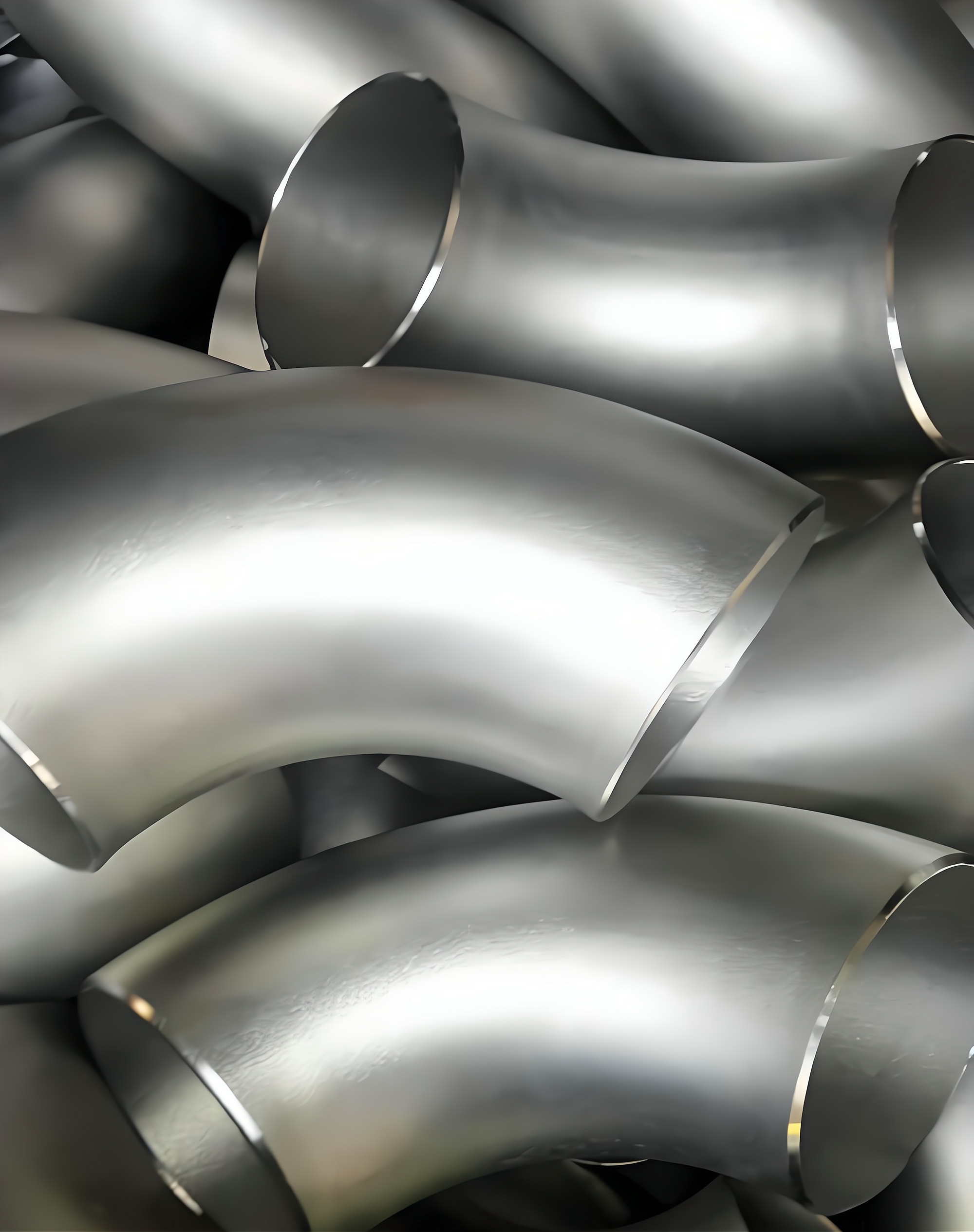
British Standard elbow
British standard elbows are produced according to the British BS series pipe fitting standards. Current projects implement BS EN 10253-1/10253-2, while old renovation projects are compatible with BS 1965, and they are matched with the BS 3606 steel pipe standard, meeting the PED pressure equipment directive. The products use seamless hot pushing, steel plate rolling, and forging forming processes. Nominal diameters cover DN15 to DN1200, conventional angles are 45°, 90°, and 180°, and bending radii are mainly 1.0D short radius and 1.5D long radius, with support for 3D large radius customization. Materials cover P235GH carbon steel, P355NL low-temperature steel, 16Mo3 heat-resistant alloy steel, 1.4301/1.4404 stainless steel, and duplex steel. Wall thickness grades include STD, XS, and XXS, adapting to pressure ratings from PN16 to PN160. Dimensional tolerances, roundness, beveling, heat treatment, and non-destructive testing are carried out according to British industrial specifications. Weldability is good, and they can be supplied as complete sets with British standard tees, branch outlets, and flanges.
Learn More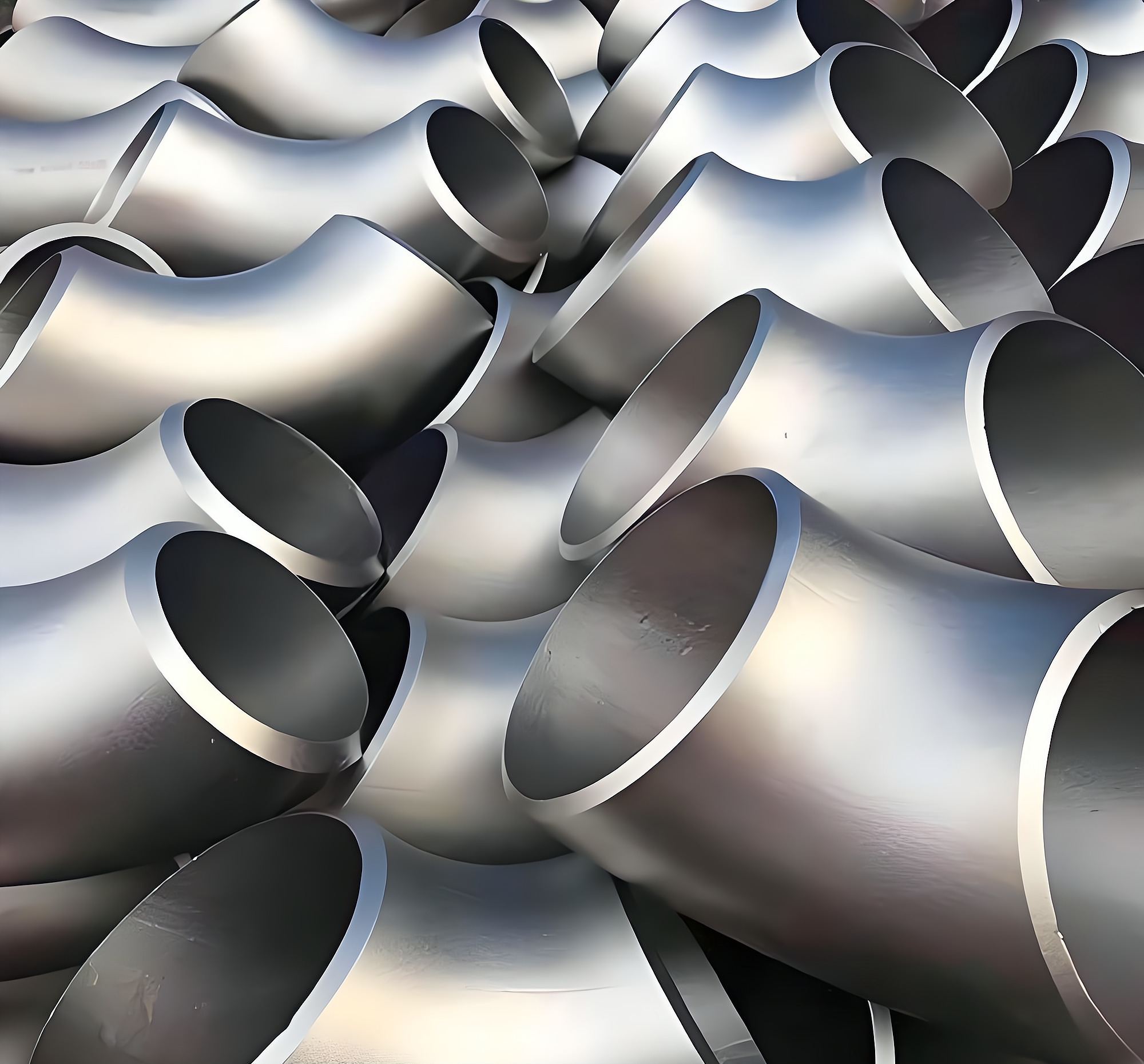
Japanese standard elbow
Japanese standard elbows are used to change the direction of media transport in pipelines. They are produced according to Japanese JIS industrial standards. Ordinary piping follows JIS B2311, while high-pressure boilers and process piping follow JIS B2312. Specifications use the Japanese A series nominal diameter, covering 15A to 1200A, and can also be compatible with DN metric designation. Conventional angles are 45°, 90°, and 180°. Bending radii are mainly 1.0D short radius and 1.5D long radius, and special radius customization is also supported. Materials include SS400 carbon steel, SGP piping steel, STPG370, STPT410 high-pressure carbon steel, SUS304/SUS316L stainless steel, and heat-resistant alloy steel. Forming processes include seamless hot pushing, steel plate rolling, and die forging. They can be supplied as complete sets with Japanese standard tees, branch outlets, and flanges. Before purchasing, it is recommended to provide Japanese drawings or specific nominal diameter, material, wall thickness grade, angle, and quantity. We will assist in confirming the configuration and providing a quotation.
Learn More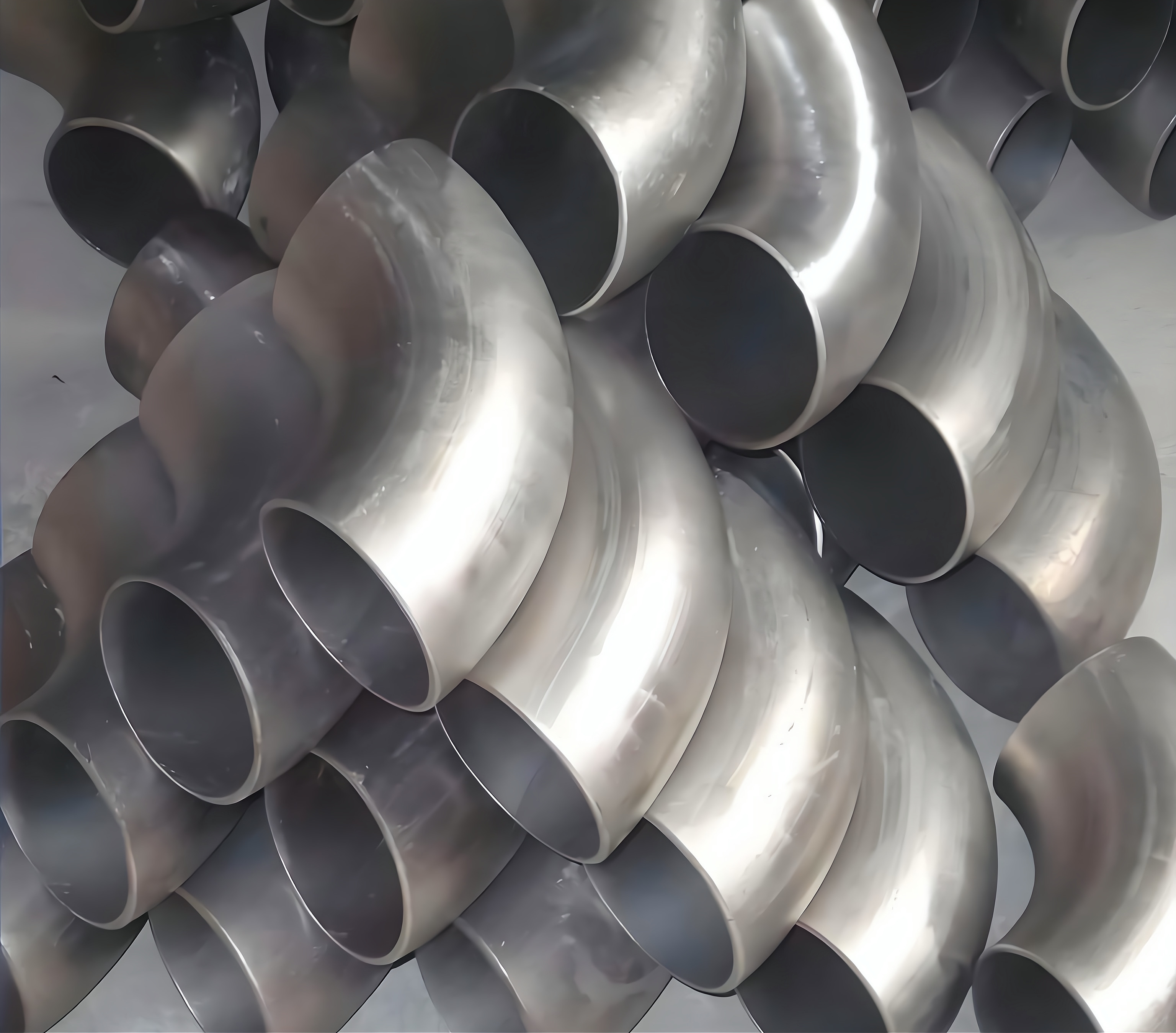
Non-standard elbow
Non-standard elbows are mainly used in pipeline turns, spatial avoidance, equipment connection, and pipeline network renovation projects where standard pipe fittings cannot be adapted. Unlike standard elbows, their bending angle, bending radius, nominal diameter, wall thickness, groove form, and end face form can all be re-determined according to customer drawings or on-site dimensions, so they are more suitable for working conditions such as old equipment renovation, imported unit connection, piping in narrow spaces, and irregular pipeline routing. Forming processes include seamless hot pushing, steel plate rolling, bending, die forming, and forging, and material options include carbon steel, stainless steel, low-temperature steel, alloy steel, duplex steel, and nickel-based alloy. We can arrange heat treatment, non-destructive testing, sandblasting, pickling and passivation, and anti-corrosion coating treatments according to the working conditions, and provide material certificates, testing reports, and factory inspection documents as needed. Before purchasing, it is recommended to provide drawings or on-site dimensions, angle, radius, installation distance, material, and quantity, and we will assist in confirming the structure, process, and quotation.
Learn More