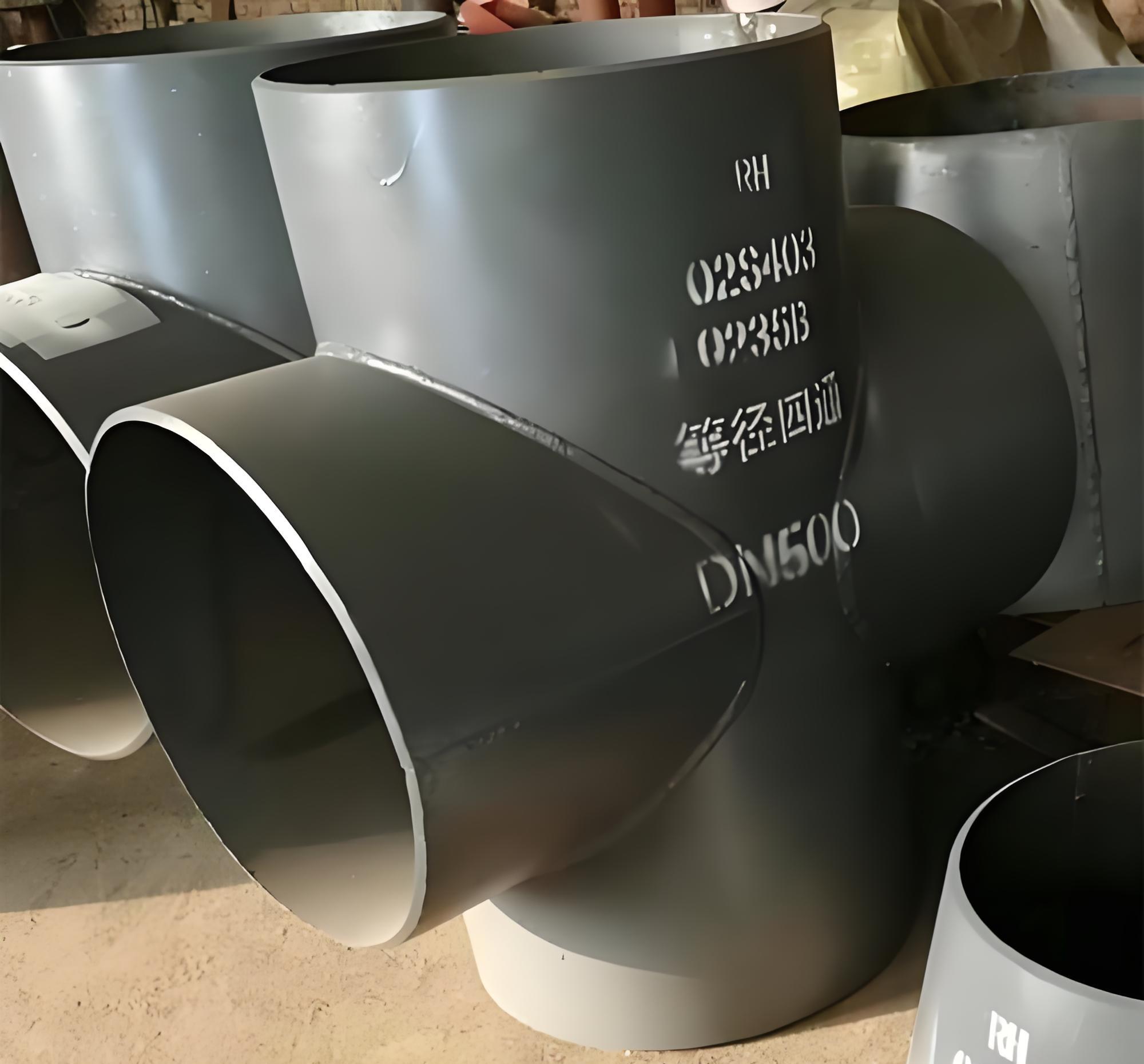
Plate-welded/stitch-welded cross
Plate-welded cross, also known as fabricated welded cross, rolled welded cross, or steel plate assembled welded cross, is a welded pipe fitting we produce to meet the needs of four-way diversion, merging, main pipe branching, and pipe network node conversion for ultra-large-diameter pipelines. Compared with integrated forming processes such as hot pushing, hydraulic bulging, and integral forging, the plate-welded fabricated welding process is not limited by mold size and can produce specifications from DN600 to DN4000, with wall thickness covering 6 mm to 60 mm, and supports non-standard structures such as equal diameter and reducing, eccentric reducing, inclined cross, and extended straight pipe sections. The products comply with welded pipe fitting standards such as GB/T13401, ASME B16.9, SH/T3408, and DIN, and their pressure-bearing capacity is suitable for atmospheric pressure, low pressure, and medium pressure working conditions from 0.6 MPa to 4.0 MPa. They are used to transport media such as tap water, sewage, rainwater, circulating water, low-pressure gas, ventilation flue gas, and ordinary industrial fluids that are non-flammable, non-explosive, and not ultra-high pressure. Commonly used materials include Q235B, Q345B low alloy, 20# carbon steel, 304/316L stainless steel, and weathering steel, and the connection method is standard butt-welding groove.
Learn More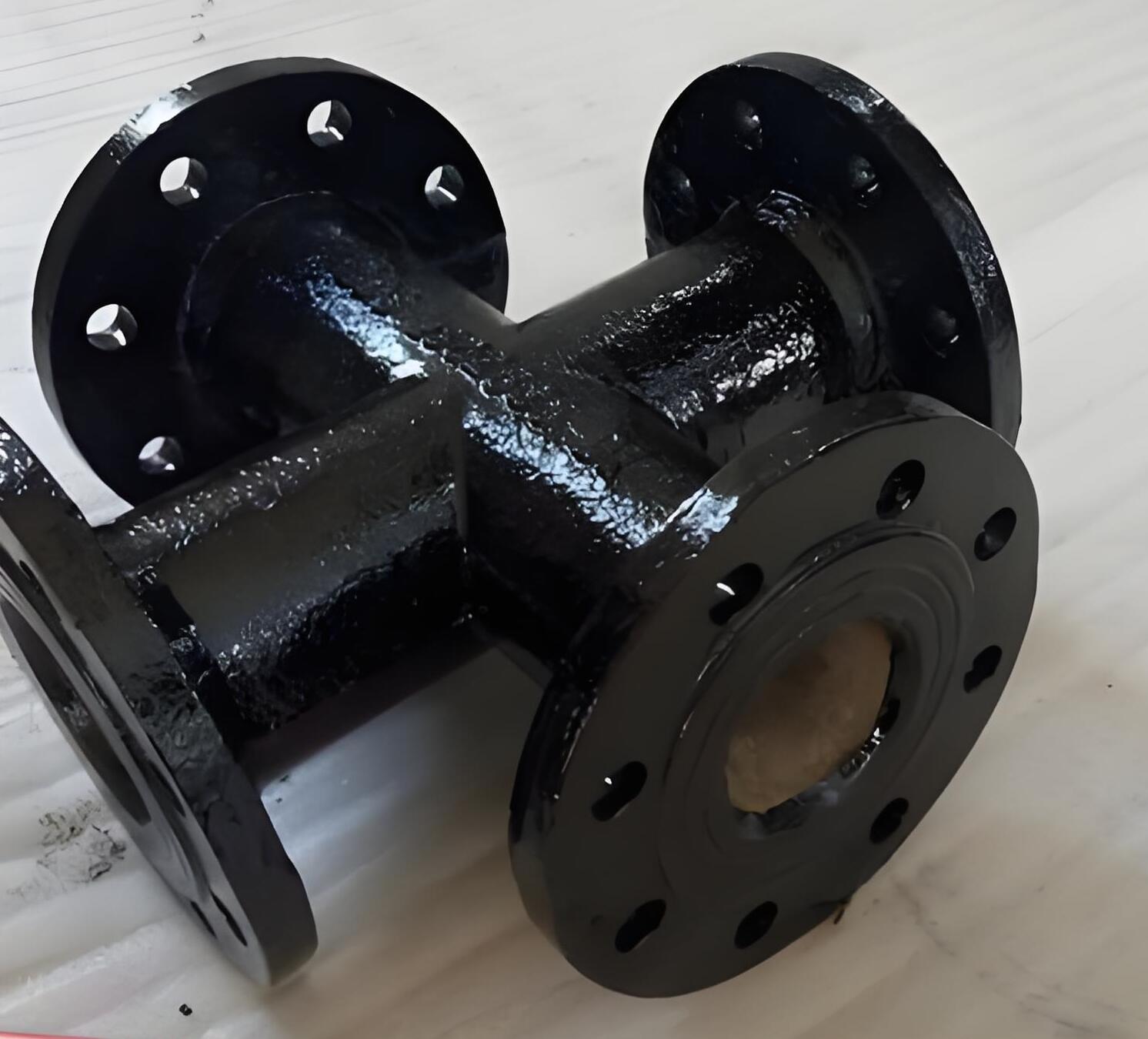
Cast Cross
Cast cross fittings are cross-shaped pipe fittings formed by integral casting; after the blank is formed in one piece, the ports, threads, flanges, grooves, and other structures are machined, which distinguishes them from forged, hot-pushed, and plate-welded fabricated pipe fittings. The materials we commonly produce include QT450-10 ductile iron, WCB cast steel, HT200 gray iron, and 304/316 stainless steel precision castings. The specifications cover DN25-DN600, with conventional pressure ratings of PN10, PN16, and PN25, an operating temperature of -20°C to 300°C, and they mainly comply with standards such as GB/T1348, GB/T12459, GB/T9439, ASME B16.1, ASME B16.3, and MSS-SP-79. The connection types are divided into three categories: grooved, flanged, and threaded. They are used for four-way media diversion and merging in pipelines. Ductile iron cast crosses are mostly used in buried pipe networks for fire protection and municipal water supply and drainage, while cast steel and precision-cast crosses are used in pipelines for general chemical, water treatment, and general equipment applications. This product is easy to form despite its complex structure and is highly cost-effective, but it is not suitable for high-temperature, high-pressure, flammable, and explosive high-risk process pipelines.
Learn More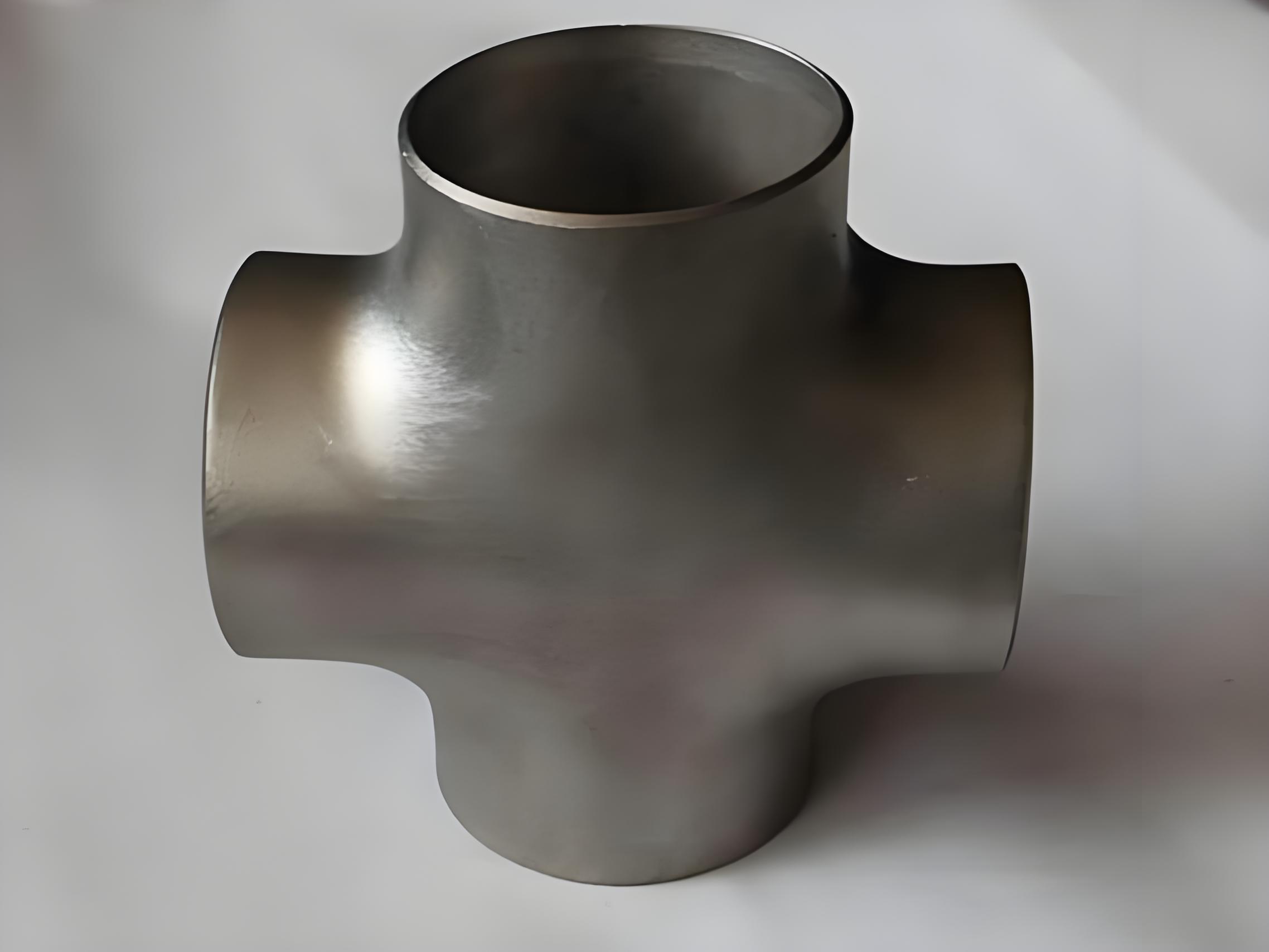
Carbon Steel Cross
Carbon steel four-way fittings are used in piping systems to achieve four-way media diversion, merging, direction change, and node distribution. The materials are mainly 20# seamless carbon steel, A105 forged carbon steel, Q235B plain carbon steel, Q345B low alloy steel, WCB cast steel, and 20G high-pressure boiler steel, and they can transport non-highly corrosive media such as water, steam, gas, oil products, circulating cooling water, and flue gas. The products comply with GB/T12459, GB/T13401, ASME B16.9, ASME B16.11, SH/T3408, and GD electric power standards. Nominal diameters cover DN6 to DN4000, pressure ratings cover PN10 to PN160 and 150LB to 9000LB, and wall thicknesses include STD, Sch40, Sch80, Sch160, and XXS. Connection methods support butt welding, socket welding, and NPT threads. We can arrange production according to project drawings, samples, or technical agreements, and support customization for non-standard sizes, special wall thicknesses, reducing ratios, and surface anti-corrosion.
Learn More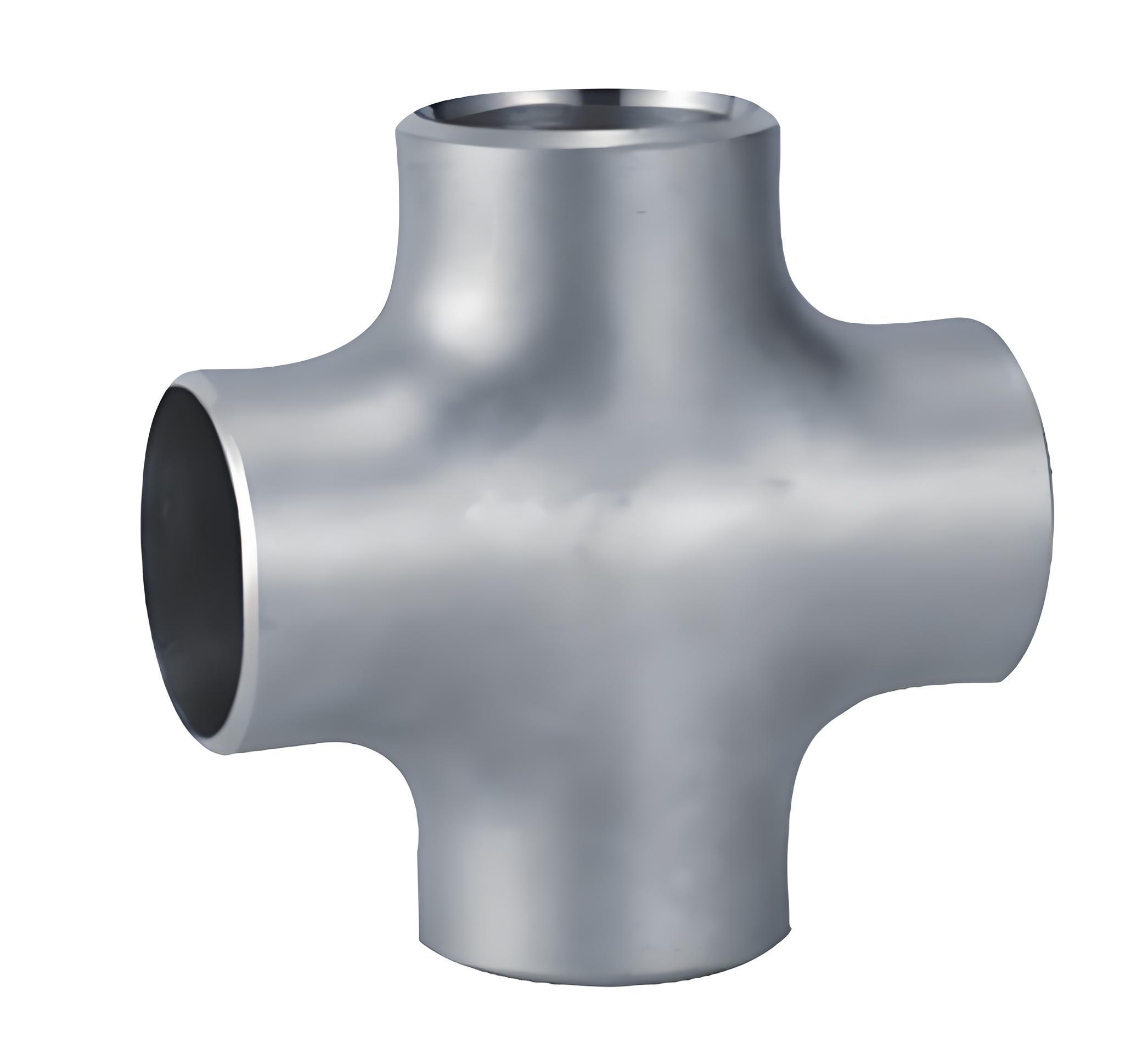
Stainless Steel Cross
The stainless steel crosses we supply cover materials such as 304, 304L, 316L, 310S, 2205 duplex steel, 904L super stainless steel, etc., with diameters from DN6 to DN4000, and pressure ratings covering 150LB–9000LB and PN10–PN160. Products are divided into five major series: seamless one-piece, high-pressure forged, large-diameter plate-welded, precision cast, and sanitary quick-install, and are manufactured to standards such as GB/T12459, GB/T13401, ASME B16.9, ASME B16.11, SH/T3408, ISO, DIN, JIS, etc. Compared with carbon steel and cast iron crosses, it is more suitable for working conditions such as humidity, acid and alkali, salt spray, and high-temperature oxidation, and can reduce rusting and secondary contamination of the medium. Before purchasing, you can contact us to confirm the specific material, diameter, pressure rating, process series, and surface treatment requirements.
Learn More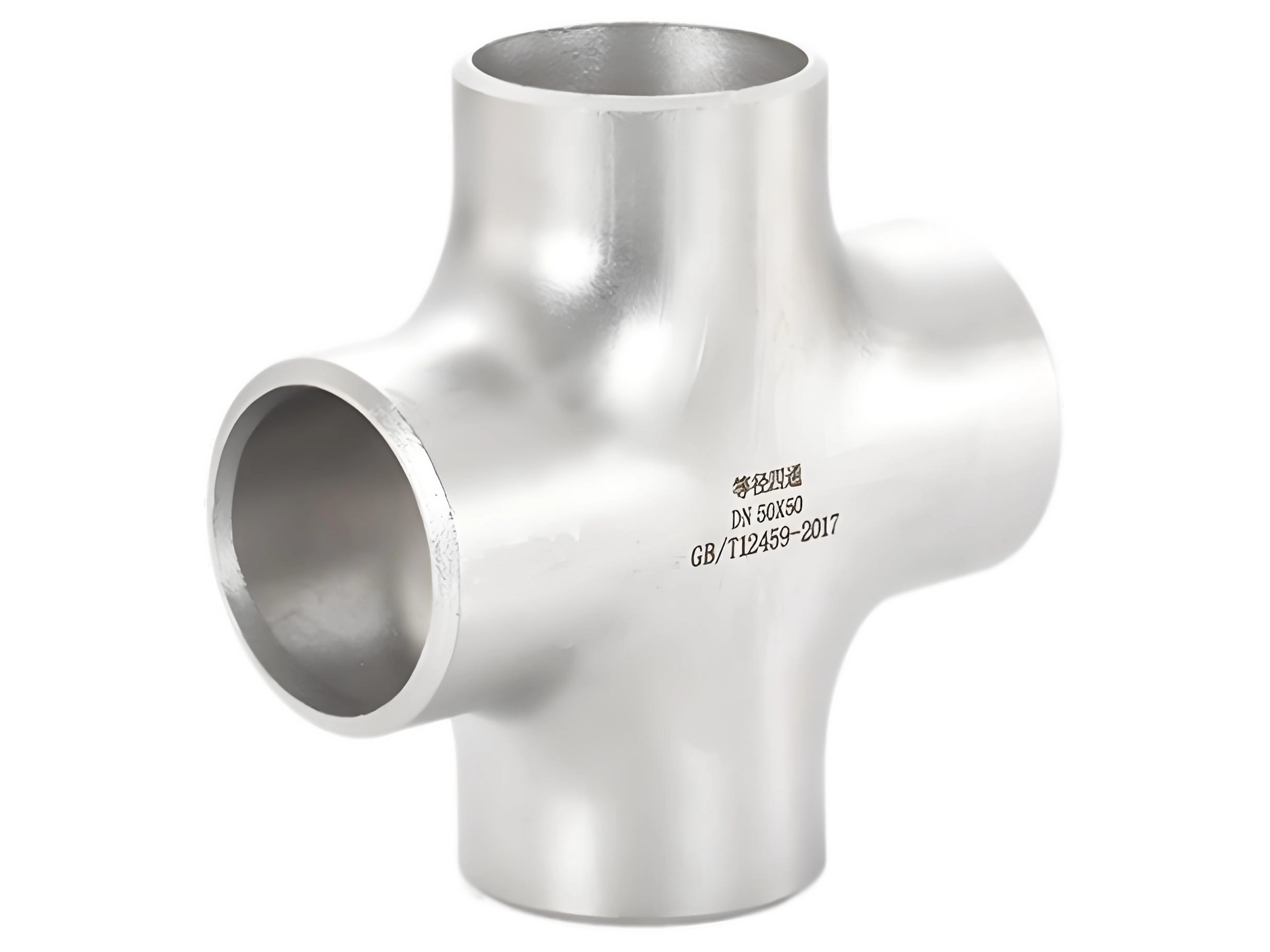
Alloy Steel Cross
Alloy steel cross fittings belong to special pressure-bearing cross pipe fittings, with materials mainly consisting of chromium-molybdenum heat-resistant alloy steels such as 15CrMo, 12Cr1MoV, Cr5Mo, Cr9Mo, P11, P12, P22, F11, and F22, formed through integral forging, heat treatment, and precision machining. Compared with carbon steel and stainless steel crosses, they are designed for high-temperature above 450°C, high-pressure hydrogen service, and high-temperature creep conditions. Ordinary pipe fittings are prone to strength degradation, creep deformation, or hydrogen embrittlement cracking in such environments, whereas alloy steel crosses rely on a stable alloy metallographic structure and possess properties such as high-temperature resistance, high-pressure resistance, hydrogen corrosion resistance, high-temperature oxidation resistance, and creep prevention. Product diameters cover DN6–DN600, pressure ratings cover 3000LB–9000LB and PN100–PN160, suitable for Sch80, Sch160, and XXS thickened wall thicknesses, and comply with GB/T12459, GB/T14383, ASME B16.9, ASME B16.11, GD electric power standards, and SH/T petrochemical standards. They are mainly used in power station boiler superheaters, reheaters, main steam pipelines, as well as high-temperature and high-pressure pipeline systems in refining, hydrogenation, coal chemical, and other installations.
Learn More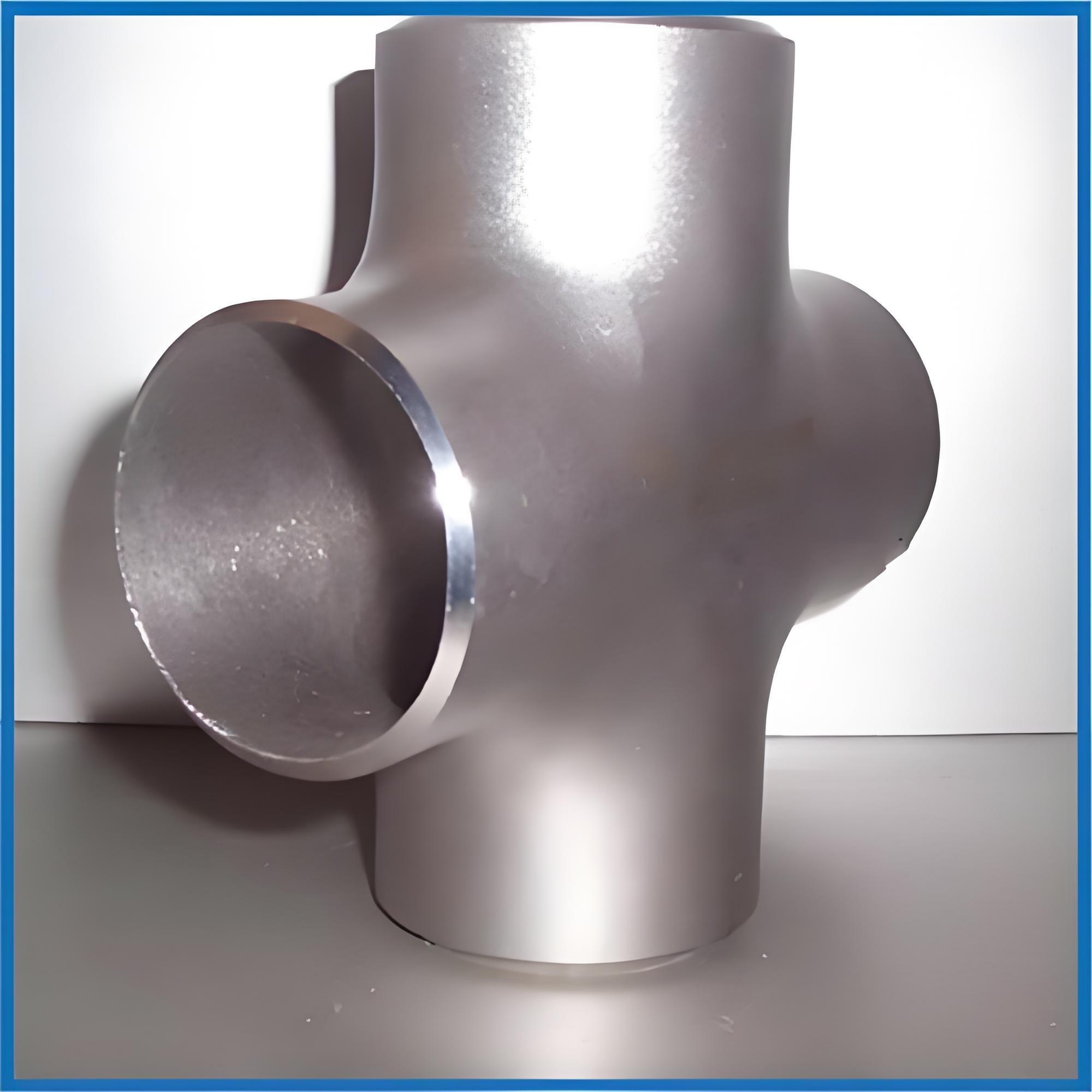
Special Steel Cross
Special steel cross fittings differ from ordinary carbon steel, conventional stainless steel, and ordinary chrome-molybdenum alloy steel cross fittings, and are mainly designed for highly corrosive, ultra-low temperature, high chloride ion, strong acid and strong alkali, high-purity, and high-speed erosion and wear working conditions that conventional pipe fittings cannot handle. The products are formed by integral forging, precision hot pushing, CNC precision machining, and solution passivation processes, and comply with ASME B16.9, ASME B16.11, GB/T12459, GB/T14383, and ASTM special material standards, and are suitable for STD, Sch40, Sch80, Sch160, and XXS wall thickness grades. Materials can be selected from duplex steel, super duplex steel, low-temperature steel, copper-nickel alloy, Monel, Hastelloy, nickel-based alloy, high-manganese wear-resistant steel, and other series, and support customization of DN6-DN800 non-standard sizes, special thickened wall thicknesses, non-standard inclined cross fittings, extended high-pressure straight pipe sections, special thread profiles, non-standard flange hole spacing, and eccentric special-shaped transition structures. For specific material matching, pressure ratings, and process solutions, please contact us to confirm.
Learn More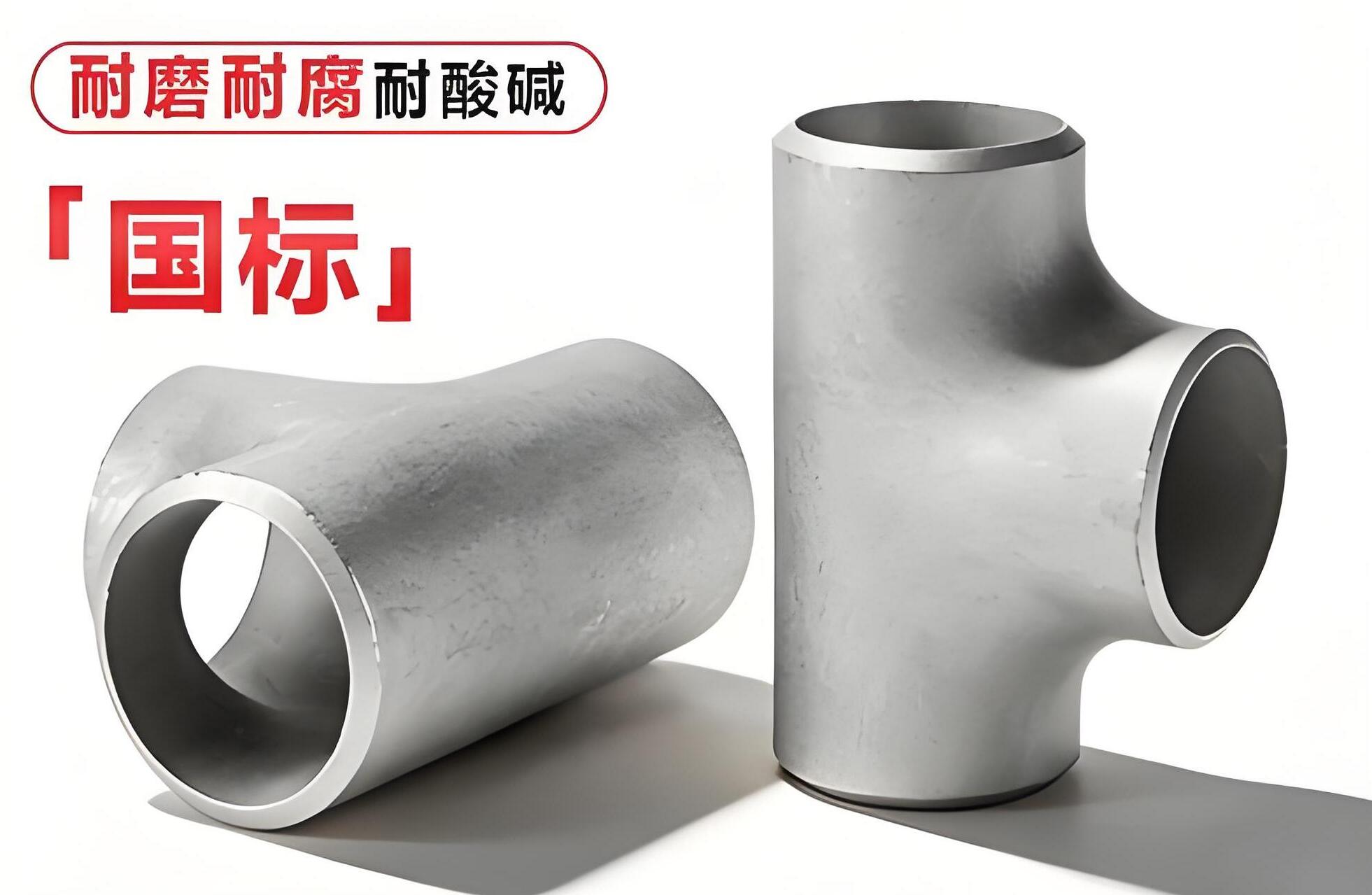
National Standard Tee
National standard tees are produced in accordance with Chinese national standards. Seamless tees comply with GB/T 12459, and steel plate butt-welded tees comply with GB/T 13401. They are core pipe fittings used for flow diversion and convergence in domestic pressure piping systems. Products are divided into equal-diameter tees and reducing tees. DN15 to DN600 are mostly formed by integral seamless stamping, while sizes above DN600 are formed by steel plate die pressing and rolling. Commonly used materials include 20# carbon steel, Q235B, 16Mn, 304, and 316L stainless steel. Wall thickness grades include STD, XS, and XXS, corresponding to pressure ratings from PN10 to PN100. Dimensional tolerances, bevels, and mechanical properties are implemented in accordance with national standards, and they can be used in combination with national standard elbows, flanges, and reducers. We can provide flaw detection, hydrostatic testing, and material spectral testing according to project requirements, along with factory documentation, for domestic engineering submission and approval, bidding, and overseas Chinese-funded projects. For specific specifications, materials, and testing requirements, please contact us to confirm.
Learn More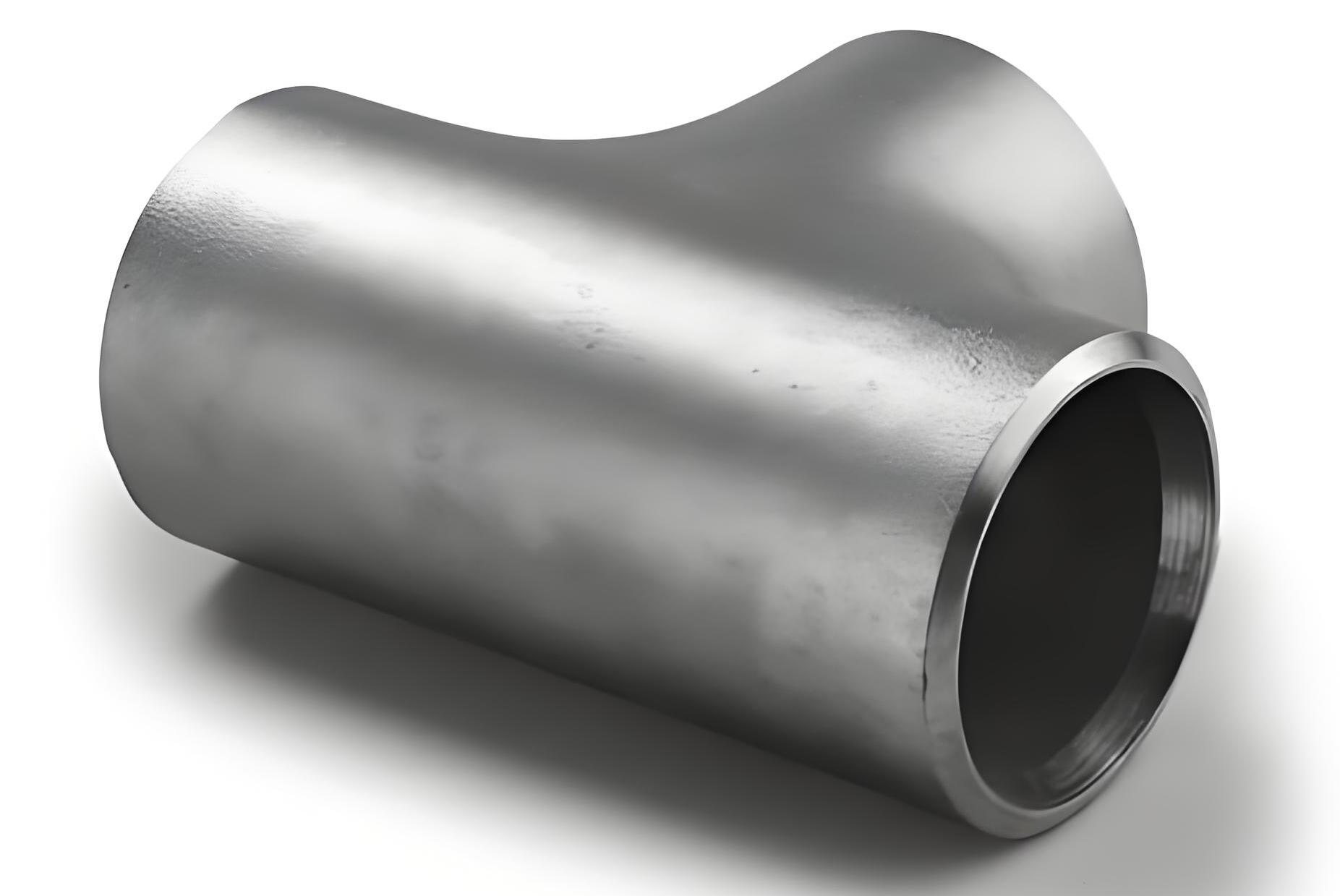
American standard tee
American standard tees belong to the butt-welded pressure pipe fittings under the ASME system, and are mainly used at positions for main pipeline branching, branch merging, and reducing connections. The products are formed according to ASME B16.9, high-pressure fittings can comply with MSS SP-75, and the supporting pipeline size systems are ASME B36.10M and ASME B36.19M, so they can be used together with American standard elbows, flanges, and reducers. Structurally, they are divided into seamless stamped tees and steel plate rolled and welded tees; small and medium diameters of NPS24 and below adopt integral hot stamping forming, while large diameters adopt steel plate pressing and welding forming. Commonly used materials include A106B and A234 WPB carbon steel, A403 WP304 and WP316L stainless steel, as well as A234 WP11/WP22 alloy steel. Specifications use NPS inch diameters, wall thickness covers Sch40, Sch80, Sch160, and XXS, and pressure pound ratings can adapt to 150LB to 1500LB. UT/MT non-destructive testing, hydrostatic testing, material spectral inspection, and EN10204 3.1/3.2 certificates can be provided according to project requirements.
Learn More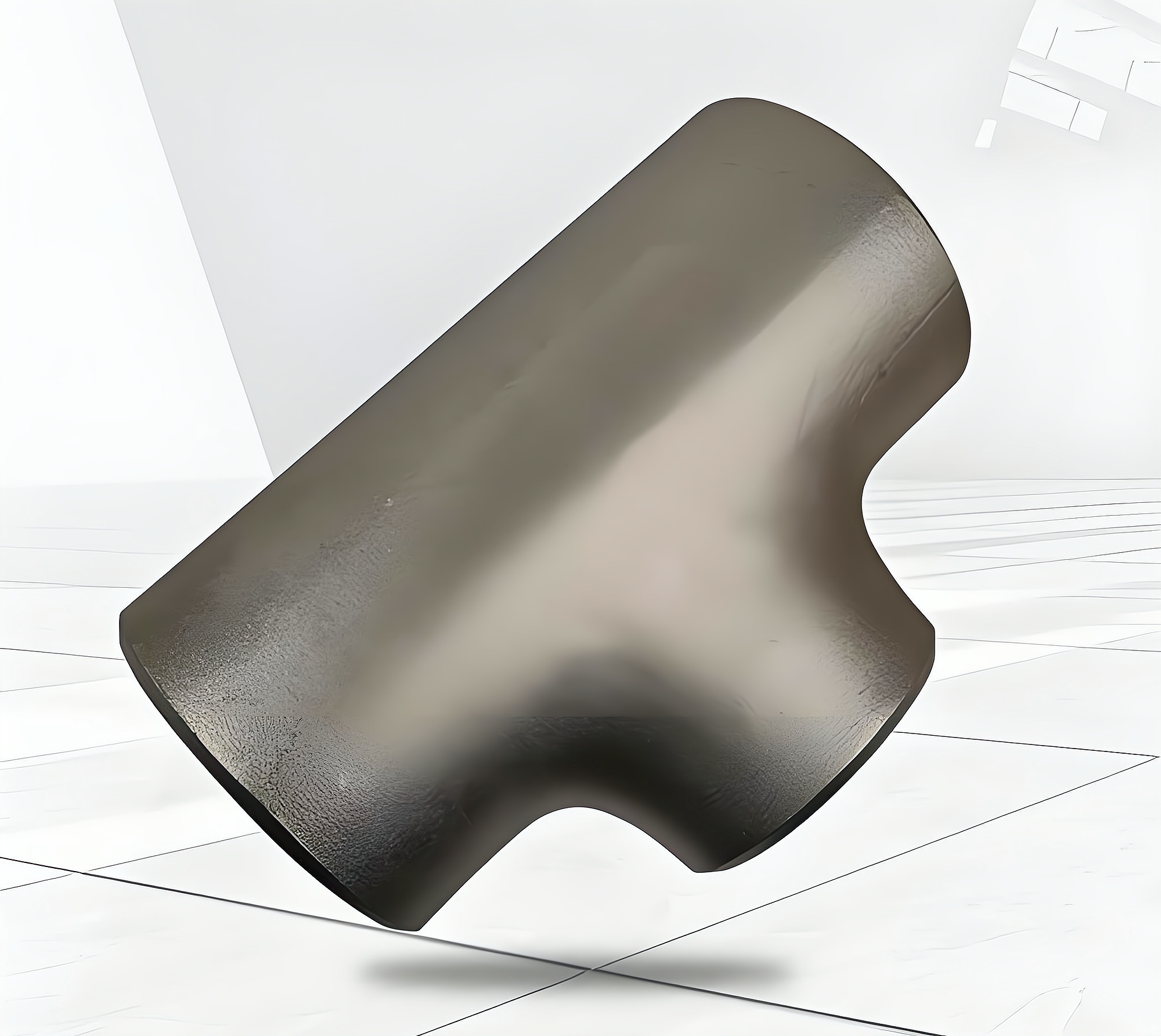
Russian standard tee
Russian-standard tees are produced in accordance with GOST 17376-2001, with general technical conditions implemented per GOST 17380-2001, formed by hot pressing and seamless forging processes, with end faces machined to standard butt-welding bevels, and can be directly butt-welded to Russian-standard seamless steel pipes. Nominal diameters cover DN15-DN1000, outer diameters range from 21.3 mm to 1016 mm, wall thicknesses range from 2 mm to 60 mm, covering three major categories: equal-diameter, reducing, and 45° Y-type. Materials include 20# carbon steel, 16Mn low-alloy steel, 304 and 316L stainless steel, with conventional pressure ratings of PN10-PN160 and a temperature resistance range of -60°C to 450°C. Non-destructive testing, hydrostatic pressure testing, and spectral material analysis are performed before delivery, and Russian-language factory documentation can be provided, suitable for overseas engineering acceptance, customs clearance, and project bidding. The products are mainly aimed at oil and gas, chemical, power, urban heating, and gas pipeline network projects in Commonwealth of Independent States countries such as Russia, Kazakhstan, and Belarus.
Learn More