
Blog

Explore industry insights, practical guides, and curated perspectives here—keep getting valuable content.

Home Blog

Blog

Blog

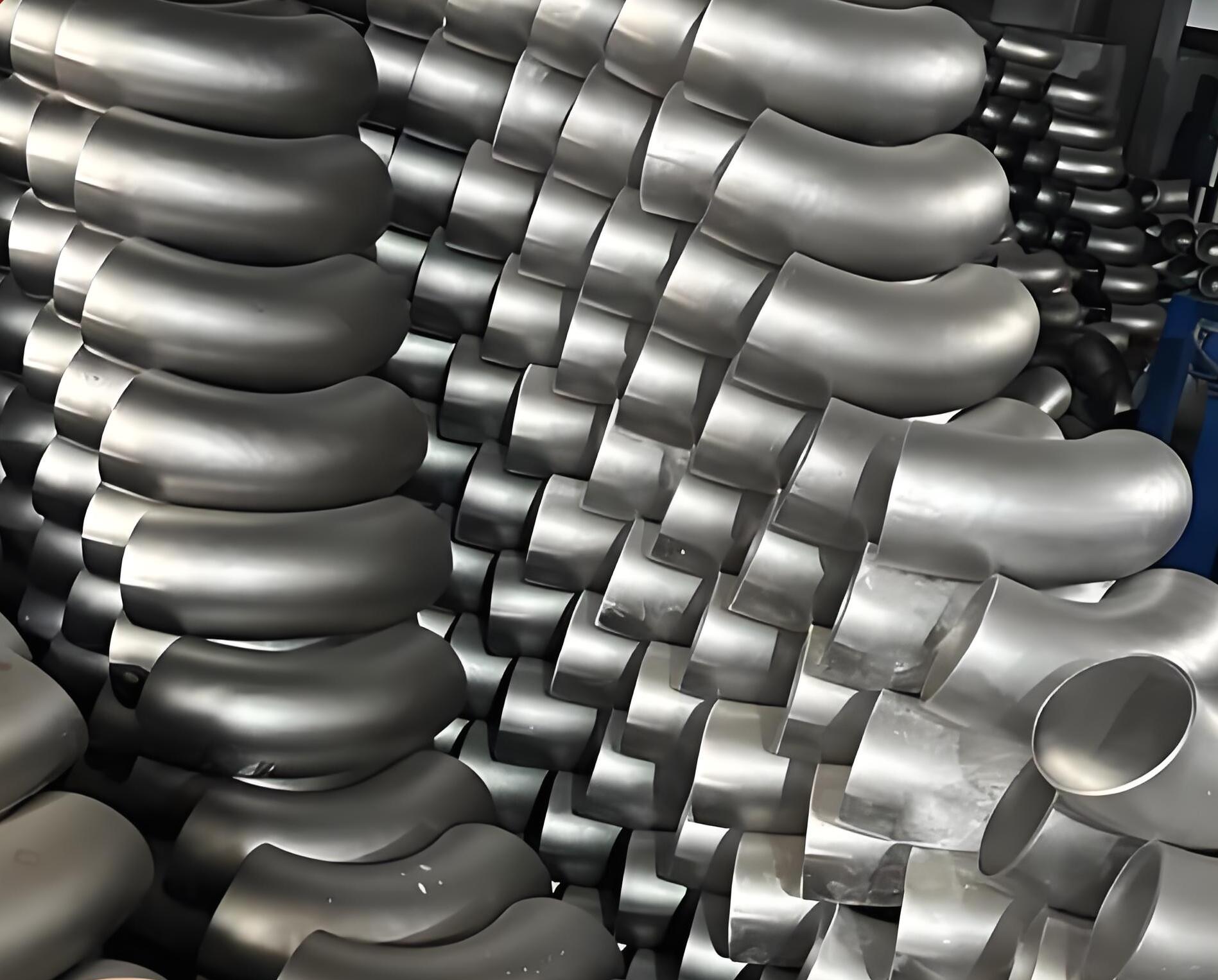
45° Elbow vs 90° Elbow: Comparison of Fluid Resistance and Energy Consumption, When Is It Better to Choose a 45° Elbow?
Popular

45° Elbow vs 90° Elbow: Comparison of Fluid Resistance and Energy Consumption, When Is It Better to Choose a 45° Elbow?

This article starts from the principles of fluid mechanics, qualitatively compares the resistance difference between 45° and 90° elbows, analyzes the energy-saving potential in scenarios such as pumping systems and long-distance pipelines, and provides selection recommendations for LR/SR, materials, standards, etc., to help engineering procurement personnel make more reasonable decisions.
Read More →
45° Elbow vs 90° Elbow: Comparison of Fluid Resistance and Energy Consumption, When Is It Better to Choose a 45° Elbow?
2026-08-14

45° Elbow vs 90° Elbow: Comparison of Fluid Resistance and Energy Consumption, When Is It Better to Choose a 45° Elbow?

This article starts from the principles of fluid mechanics, qualitatively compares the resistance difference between 45° and 90° elbows, analyzes the energy-saving potential in scenarios such as pumping systems and long-distance pipelines, and provides selection recommendations for LR/SR, materials, standards, etc., to help engineering procurement personnel make more reasonable decisions.

How to choose a 90° elbow? Who is it suitable for, and who is it not suitable for?
2026-08-14

How to choose a 90° elbow? Who is it suitable for, and who is it not suitable for?

For 90° elbow selection, the first step is to determine whether a long radius (LR, R=1.5D) or short radius (SR, R=1.0D) is required. This choice depends on space conditions, medium characteristics, system pressure, and stress environment. This article provides clear judgment logic and a decision tree to help EPC contractors, pipeline construction teams, and industrial and mining enterprises make the correct choice based on actual operating conditions, avoiding increased energy consumption or safety hazards caused by improper selection.