Popular
Interpretation of American Standard Carbon Steel Materials for Pipeline Fittings in Foreign Trade
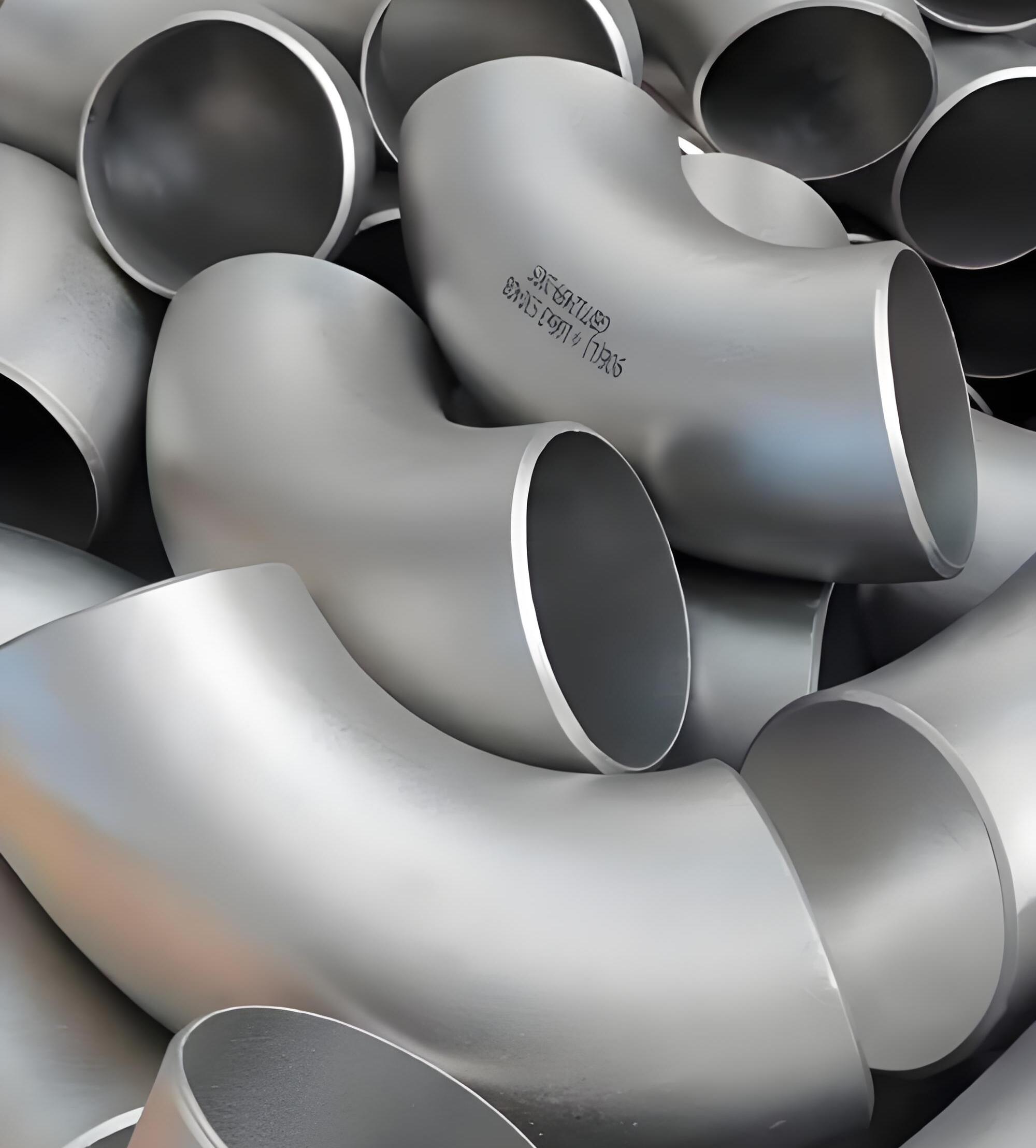
American standard carbon steel is the most mainstream material selection for pipes and fittings in oil and gas, chemical, and EPC overseas engineering projects, and A234 WPB and A105 are high-frequency material grades in foreign trade orders. Different grades correspond to different product forms, heat treatment requirements, and applicable working conditions; incorrect material selection will directly cause problems such as welding mismatch, pressure-bearing failure, and rejection by the owner. This article systematically interprets the ASTM material system for American standard carbon steel pipe fittings, sorts out core foreign trade requirements such as chemical composition, mechanical properties, heat treatment, non-destructive testing, material certificates, and marking traceability, and analyzes procurement selection misconceptions, material substitution boundaries, and ocean shipping protection points, so as to provide a complete technical basis for foreign trade inquiries and quotations, order review, third-party supervision and acceptance, and overseas project delivery, and to avoid risks of material misuse, certificate non-compliance, customs clearance, and project claims.
Read More →