Blog

Explore industry insights, practical guides, and curated perspectives here—keep getting valuable content.

Home 博客中心

Blog

Blog

Interpretation of American Standard Carbon Steel Materials for Pipeline Fittings in Foreign Trade
Popular

Interpretation of American Standard Carbon Steel Materials for Pipeline Fittings in Foreign Trade

American standard carbon steel is the most mainstream material selection for pipes and fittings in oil and gas, chemical, and EPC overseas engineering projects, and A234 WPB and A105 are high-frequency material grades in foreign trade orders. Different grades correspond to different product forms, heat treatment requirements, and applicable working conditions; incorrect material selection will directly cause problems such as welding mismatch, pressure-bearing failure, and rejection by the owner. This article systematically interprets the ASTM material system for American standard carbon steel pipe fittings, sorts out core foreign trade requirements such as chemical composition, mechanical properties, heat treatment, non-destructive testing, material certificates, and marking traceability, and analyzes procurement selection misconceptions, material substitution boundaries, and ocean shipping protection points, so as to provide a complete technical basis for foreign trade inquiries and quotations, order review, third-party supervision and acceptance, and overseas project delivery, and to avoid risks of material misuse, certificate non-compliance, customs clearance, and project claims.

Read More →
Russian GOST Foreign Trade Export Procurement Standards System
2026-10-16

Russian GOST Foreign Trade Export Procurement Standards System

The GOST standard is the core national-level technical standard system of Russia and the Eurasian Economic Union, and it is the legal technical basis for Chinese enterprises in foreign trade exports to Russia, raw material procurement, equipment supply, and customs clearance performance. This article systematically reviews the development history, hierarchical classification, boundary between mandatory and voluntary application, procurement acceptance specifications, certification access rules of the GOST standard, as well as its adaptation relationship with EAC Union regulations, focuses on the practical requirements of mainstream export categories such as industrial products, pipeline fittings, mechanical equipment, and general consumables, summarizes the full-process standard key points of foreign trade procurement selection, quality inspection and acceptance, document submission for review, and customs clearance compliance, and at the same time analyzes common standard misunderstandings and risk control countermeasures in enterprises' trade with Russia, providing professional reference for foreign trade enterprises to build a standardized, compliant, and implementable Russian-standard procurement and export operation system.
Japanese Industrial Standards JIS Procurement Selection Adaptation Rules
2026-10-14

Japanese Industrial Standards JIS Procurement Selection Adaptation Rules

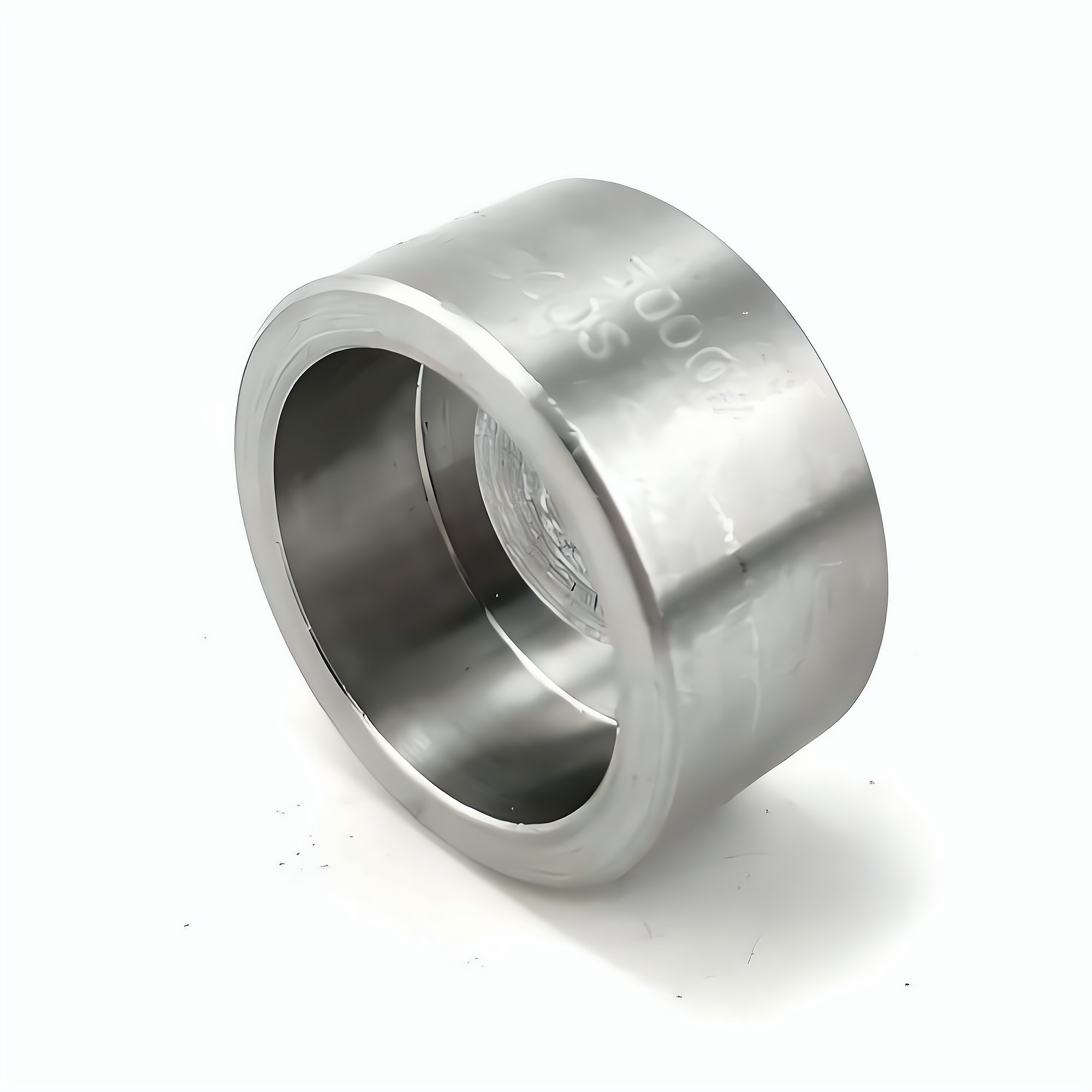
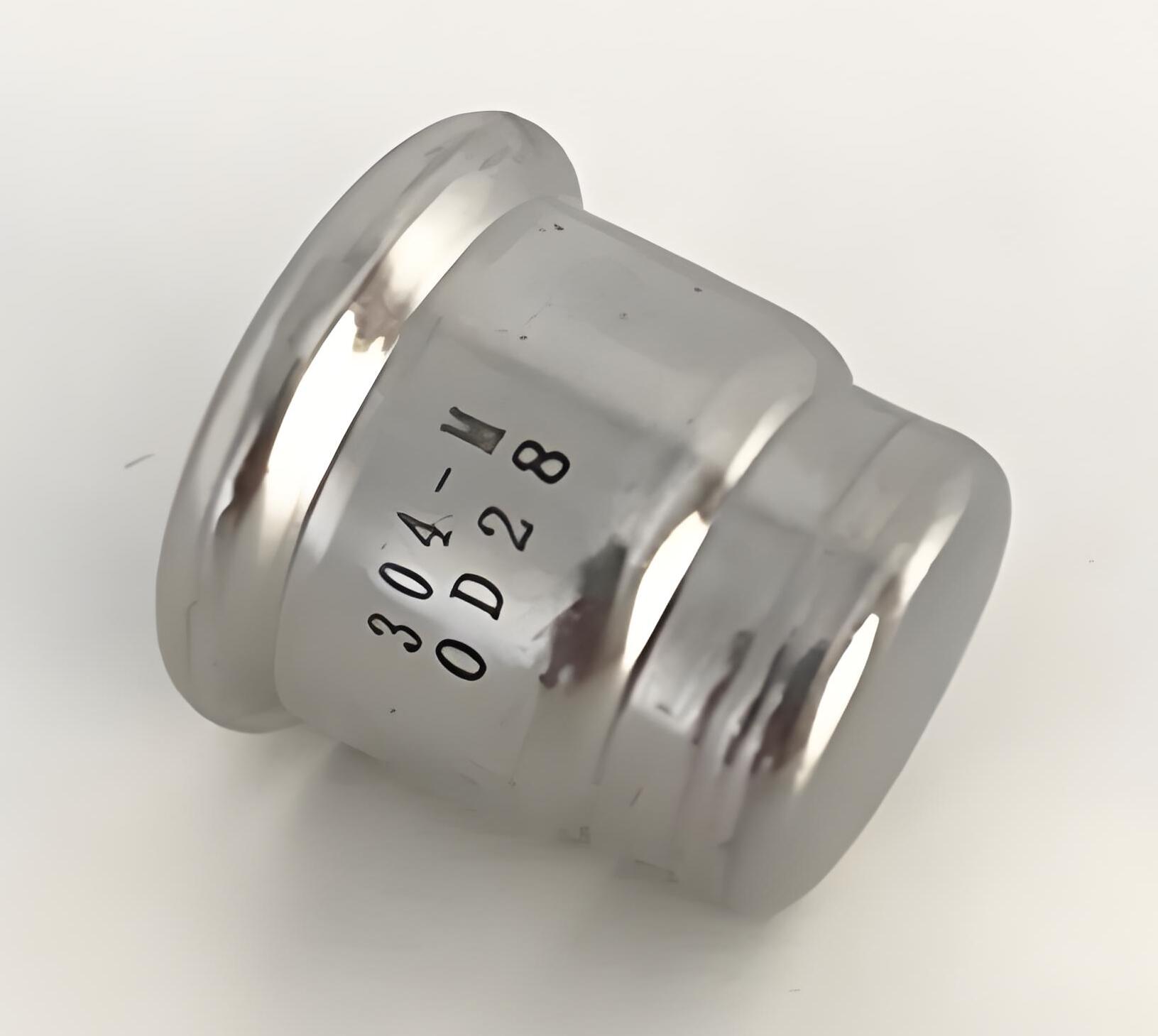
The Japanese Industrial Standards (JIS) piping and pipe fittings system is the most mainstream selection standard for Japanese-affiliated factories, Sino-Japanese joint venture projects, and Southeast Asian foreign trade engineering projects. Its pressure K-class, outer diameter system, material grades, and flange parameters differ significantly from Chinese national standards, American standards, and German standards, and they are not universally interchangeable. In domestic procurement, problems are widespread, such as applying Chinese national standard experience to Japanese standards, confusing K-class pressure ratings, mismatching pipe diameters and wall thicknesses, and making illegal material substitutions, which lead to connection failures, leakage during pressure testing, and rejection during export acceptance inspection. This article systematically sorts out the complete set of rules for the JIS standard framework, dimensions and pressure, materials and processes, flange compatibility, and working condition selection, clarifies the taboos of mixing multiple standards and the logic of foreign trade adaptation, builds a standardized JIS procurement and selection process, avoids the risk of parameter mismatching, and ensures the smooth delivery and acceptance of Japanese-affiliated piping engineering and foreign-related orders.

Key Points for Parameter Comparison of German Standard DIN Pipes and Fittings
2026-10-14

Key Points for Parameter Comparison of German Standard DIN Pipes and Fittings

The German standard DIN piping and fittings system is the most commonly used standard system in European industrial engineering, foreign trade export, and Sino-European joint venture projects, and is renowned for its rigorous dimensions, extremely small tolerances, and finely graded pressure classifications. Domestic procurement often, due to unfamiliarity with the logic of DIN parameters, confuses DIN with national standards and American standard dimensions, pressure, and wall thickness systems, resulting in risks such as fittings being unable to connect, insufficient pressure-bearing capacity, failure to pass acceptance inspection, and export returns. This article systematically breaks down the core parameter system of German standard DIN piping and fittings, covering DN nominal size, PN pressure rating, DIN-exclusive wall thickness series, flange parameters, tolerance standards, and material matching rules, horizontally compares the differences with national standards and American standards, and summarizes the core points of procurement selection, parameter verification, acceptance comparison, and foreign trade risk control, helping practitioners accurately master the logic of German standard parameter comparison and achieve zero-error delivery in German standard fittings procurement.

Interpretation of the Overall Framework of the National Standard GB Piping and Fittings System
2026-10-14

Interpretation of the Overall Framework of the National Standard GB Piping and Fittings System

The national standard GB pipeline and pipe fittings system is the foundational specification for procurement, design, manufacturing, and acceptance in domestic pressure piping, chemical, oil and gas, and municipal heating engineering. This article starts from the hierarchical division of the system, sorts out the positioning of mandatory GB and recommended GB/T standards, breaks down the six major modules of pipe materials, pipe fittings, flanges, materials, inspection, and pressure piping specifications, and analyzes DN nominal diameter, PN pressure rating, material specifications, non-destructive testing, product marking, and document traceability rules. It clarifies the internal logic of national standards, compares the differences between national standards and American standards and German standards, and addresses industry pain points such as procurement selection, mixed use of standards, and misreading of parameters, helping engineering practitioners master the framework of the national standard pipeline system and achieve procurement compliance and one-time project acceptance.

Core mindset for industrial pipeline procurement: standards over experience
2026-10-14

Core mindset for industrial pipeline procurement: standards over experience

Industrial pipeline procurement is the source link in quality control for chemical, oil and gas, power, municipal, and overseas EPC projects. Most project rework, acceptance failures, pipeline leaks, and safety accidents all stem from the inertial thinking of procurement personnel who rely on industry experience and neglect standards and specifications. Experience can only solve conventional general problems, while the standardization system is the only compliance bottom line covering material, dimensions, pressure, process, acceptance, and traceability. This article deeply analyzes the fatal drawbacks of experience-based procurement, systematically explains the procurement implementation logic of multiple standard systems such as national standards, American standards, German standards, and Russian standards, and builds a new procurement thinking system of "standards first, experience auxiliary," helping practitioners avoid the risks of wrong standards, wrong materials, and non-standard mixed use, and achieve zero hidden dangers in pipeline procurement and one-time compliance in project acceptance.

Core Procurement Identification Logic for American Standard ASME/ANSI
2026-10-14

Core Procurement Identification Logic for American Standard ASME/ANSI

In procurement for oil and gas, chemical, and overseas EPC projects, ASME/ANSI American standard pipe fittings are widely used. Many procurement personnel confuse the concepts of ASME and ANSI, misinterpret NPS, Class pressure ratings, SCH wall thickness, and material grades, causing major risks such as dimensional mismatches, insufficient pressure-bearing capacity, and untraceable documentation. This article breaks down the standard system, marking identification, material verification, and certificate review key points for American standard pipeline fittings, establishes a complete procurement identification logic, avoids order and acceptance risks, and ensures stable delivery for overseas projects.

Correlation Between Pipeline Procurement Compliance and Engineering Acceptance
2026-10-14

Correlation Between Pipeline Procurement Compliance and Engineering Acceptance

The compliance of pipeline and pipe fitting procurement directly determines pipeline engineering quality, acceptance results, and commissioning safety. The root causes of many problems, such as failed project acceptance and leaks during pressure testing, stem from non-compliance in the procurement process. This article analyzes the intrinsic connection between procurement compliance and engineering acceptance from dimensions such as standards, materials, and documentation processes, advocates establishing the concept that "procurement is quality, compliance is acceptance," controls risks from the source, helps projects pass acceptance in one go, and eliminates long-term hidden safety hazards in pipelines.

45° Elbow vs 90° Elbow: Comparison of Fluid Resistance and Energy Consumption, When Is It Better to Choose a 45° Elbow?
2026-08-14

45° Elbow vs 90° Elbow: Comparison of Fluid Resistance and Energy Consumption, When Is It Better to Choose a 45° Elbow?

This article starts from the principles of fluid mechanics, qualitatively compares the resistance difference between 45° and 90° elbows, analyzes the energy-saving potential in scenarios such as pumping systems and long-distance pipelines, and provides selection recommendations for LR/SR, materials, standards, etc., to help engineering procurement personnel make more reasonable decisions.

How to choose a 90° elbow? Who is it suitable for, and who is it not suitable for?
2026-08-14

How to choose a 90° elbow? Who is it suitable for, and who is it not suitable for?

For 90° elbow selection, the first step is to determine whether a long radius (LR, R=1.5D) or short radius (SR, R=1.0D) is required. This choice depends on space conditions, medium characteristics, system pressure, and stress environment. This article provides clear judgment logic and a decision tree to help EPC contractors, pipeline construction teams, and industrial and mining enterprises make the correct choice based on actual operating conditions, avoiding increased energy consumption or safety hazards caused by improper selection.