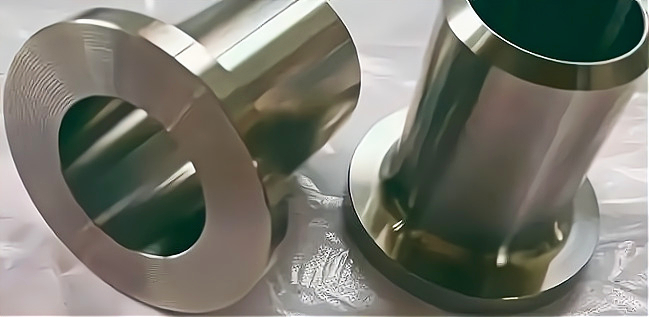
Nickel-based alloy lap joint stub end
Nickel-based alloy lap joint stub ends are a type of special lap joint flange pipe fitting, formed from nickel-based alloy pipe blanks or plates, with one end being a butt-weld bevel for fusion welding to pipe of the same material, and the other end being solution-treated and finish-turned to form a flat lap joint surface, which can be rotationally aligned with a backing flange. We routinely stock Hastelloy, Monel, Inconel, and Incoloy series materials, covering both LP long-type and SP short-type configurations, with manufacturing referencing standards such as GB/T12459, ASME B16.9, MSS SP43, and ASTM SB366. The products are used in highly corrosive, ultra-high-temperature, high-purity sterile, or high-radiation pipelines where stainless steel, duplex steel, and alloy steel cannot perform, helping to solve problems of misalignment during joining, high-temperature deformation, and maintenance in confined spaces. For specific diameters, materials, pressure ratings, and delivery lead times, please contact us to confirm.
Learn More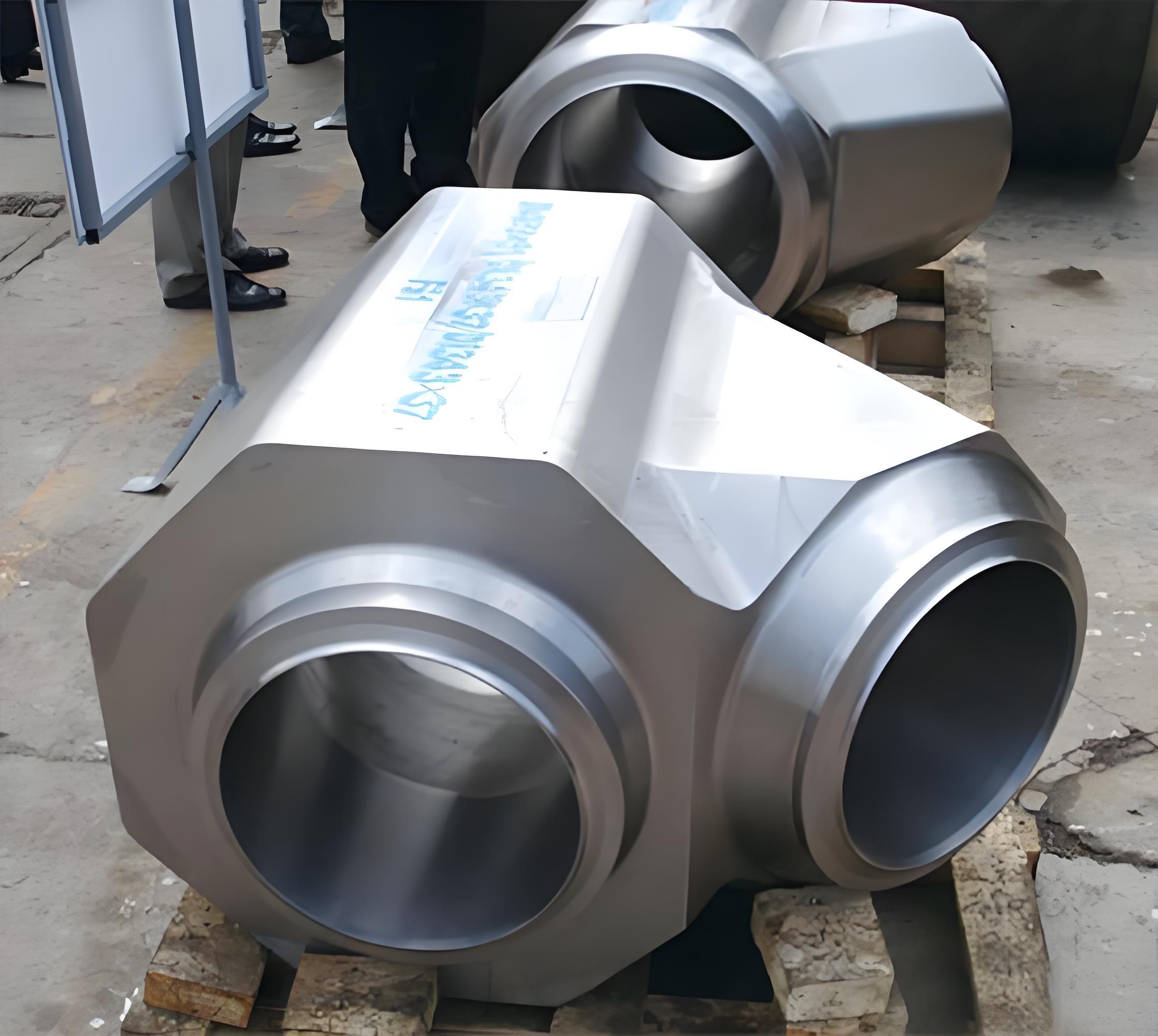
Forged Tee
Forged tees are used for splitting, merging, and 90° directional change of media in high-pressure pipelines. Unlike ordinary pressed or welded tees, they are formed by integral die forging, and the fitting body has no welds or splice points. The metallographic structure is dense, and under high-pressure alternating working conditions, the risk of leakage and cracking can be reduced. The forged tees we provide comply with ASME B16.11, GB/T14383, and MSS SP83 standards, with specifications from DN6 to DN100, and pressure ratings covering 3000LB, 6000LB, and 9000LB, corresponding to the PN16–PN160 national standard system. There are two connection methods: socket welding and NPT threading. Socket welding is suitable for permanent high-pressure process pipelines, while threaded connection facilitates disassembly and assembly of instrument piping and locations subject to frequent maintenance. In terms of materials, carbon steel, stainless steel, duplex steel, alloy steel, and nickel-based alloys can be provided. The specific selection must be confirmed in combination with the medium, temperature, and pressure conditions.
Learn More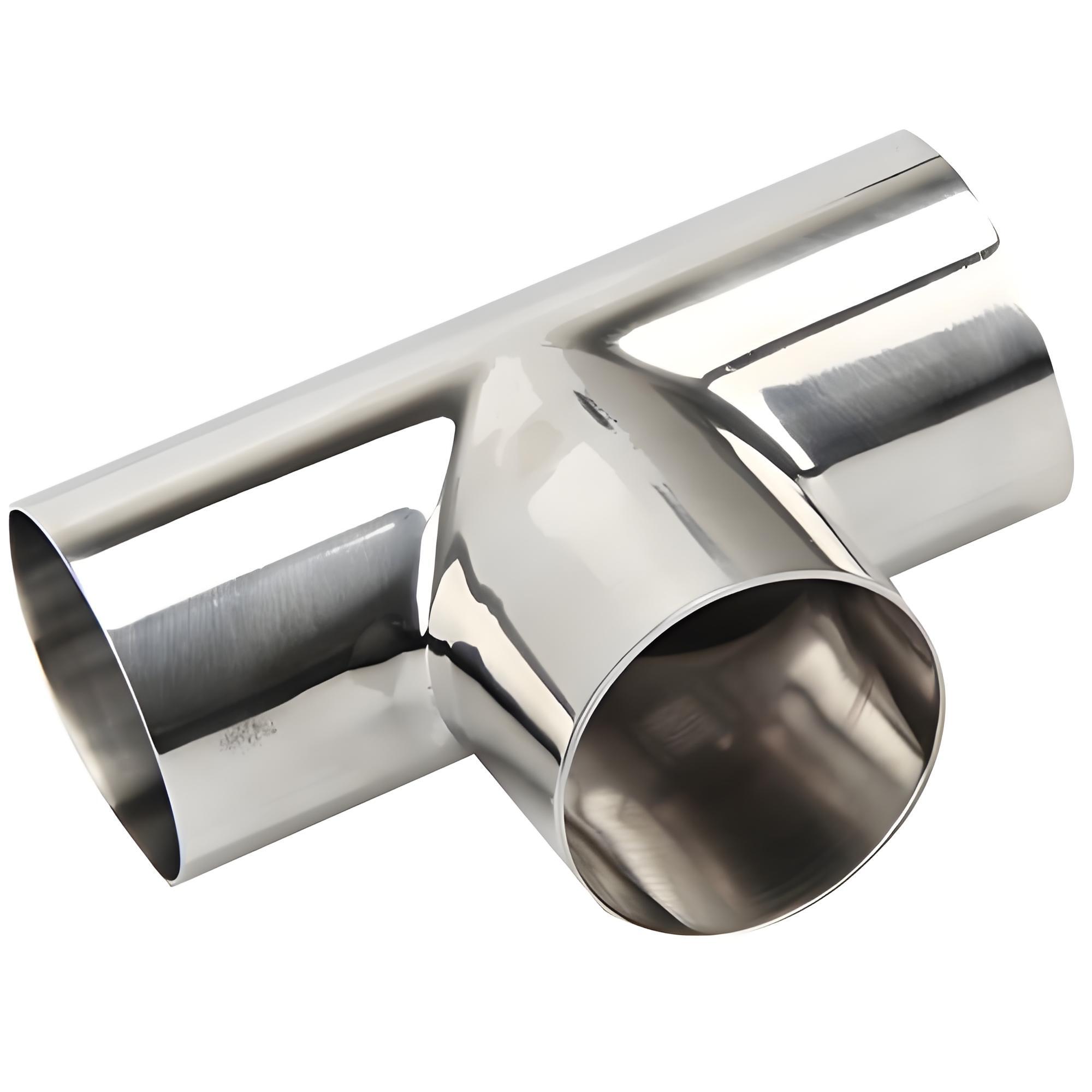
Rolled welded tee
The rolled and welded tee is a non-standard pipe fitting we developed for the branch requirements of extra-large-diameter medium- and low-pressure pipelines. Unlike integrally pressed tees for small and medium diameters, it is formed by rolling and welding medium-thick steel plates, is not limited by mold specifications, and can produce extra-large specifications from DN300 to DN3400. The entire product series uses butt welding connections, with precisely machined port bevels, and can be directly connected to on-site pipelines. Structural forms include equal-diameter diversion, reducing diameter transition, and 45° angled branches. Pressure adaptation is PN6 to PN40, and wall thickness supports SCH10 to SCH80 as well as engineering-customized reinforcement. Materials cover carbon steel, austenitic stainless steel, duplex steel, and low-alloy steel. Finished products undergo post-weld stress relief heat treatment and 100% UT/RT non-destructive testing. If you are looking for matching pipe fittings for large-diameter pipeline branches, welcome to contact us to confirm specifications and materials.
Learn More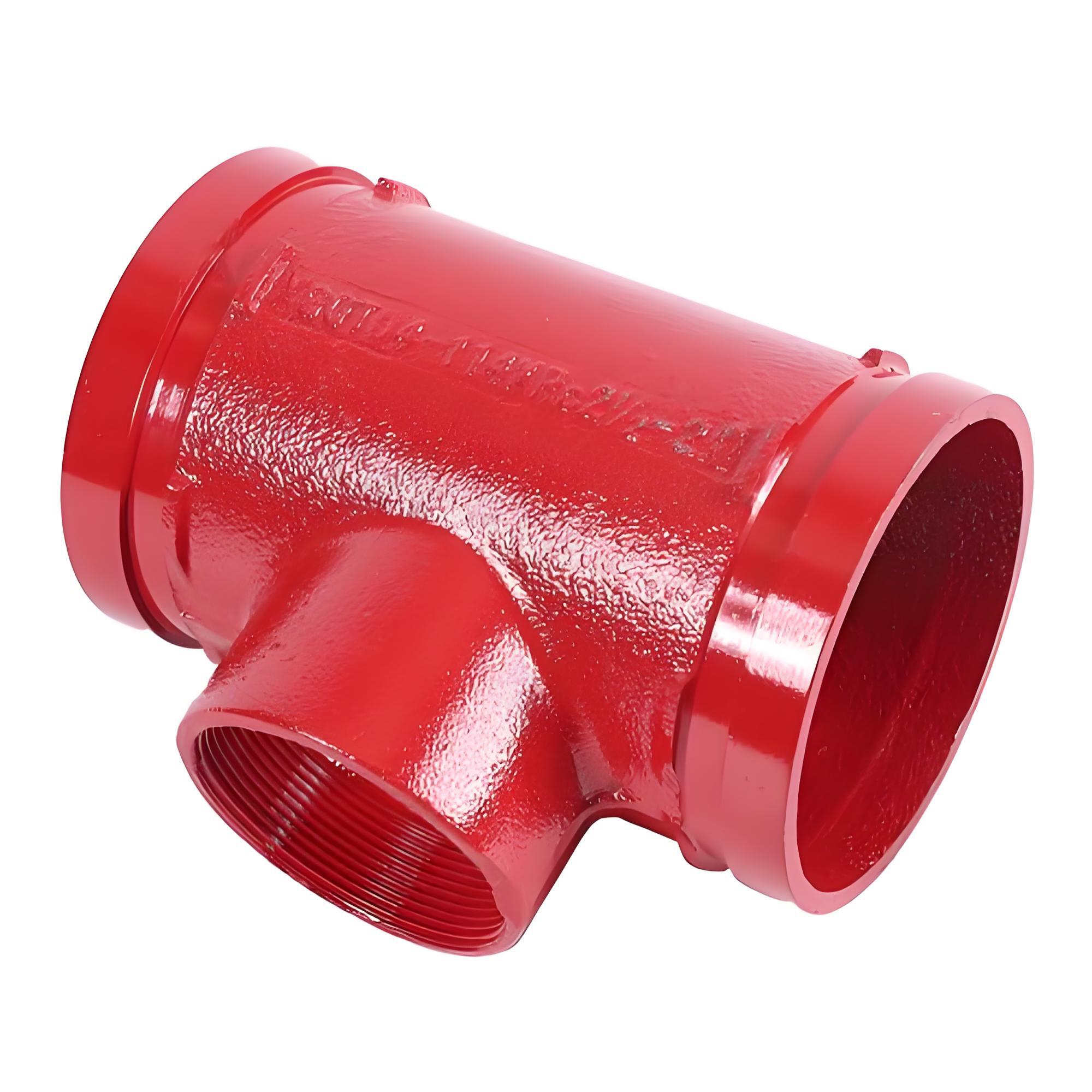
Cast Tee
Cast tees belong to cast-formed branching and converging pipe fittings, and differ from pressed tees, forged tees, and rolled and welded tees in their forming process. We use integral one-piece casting, so the fittings have no splicing welds, relatively uniform wall thickness, and a thick and solid structure, making them suitable for medium- and low-pressure, large-flow, outdoor buried, and rapid-installation pipeline systems. The products follow general cast pipe fitting standards such as GB/T12459, GB/T13295, ASME, ISO, and EN545, with diameters covering DN25–DN2000. The materials are mainly ductile iron QT450-10 and gray iron HT200/HT250, and cast steel or stainless steel cast materials can also be customized according to project requirements. The connection ports can be made in grooved, flanged, socket, and threaded forms, corresponding respectively to different scenarios such as fire protection and explosion-proof quick installation, permanent main pipeline networks, long-distance water transmission, and HVAC instrument piping. Before purchasing, it is recommended to confirm the medium, diameter, connection method, material, and anti-corrosion requirements, and we will assist in matching the configuration and providing a quotation.
Learn More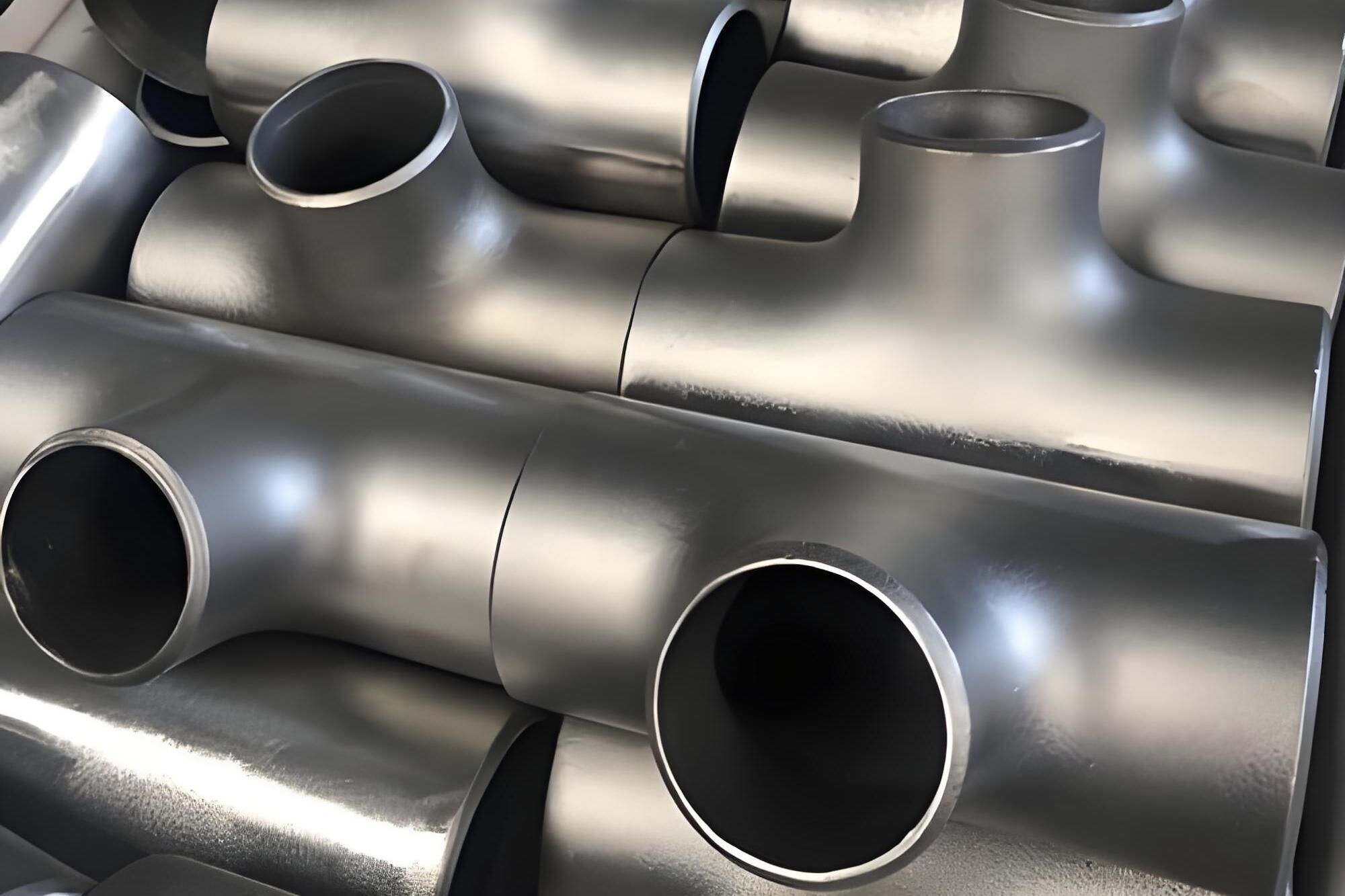
Carbon Steel Tee
Carbon steel tees are used in large quantities and have strong versatility in pipeline mainline branching, medium diversion and merging, and fluid direction switching. We supply according to standards such as ASME B16.9, GB/T12459, SH/T3408, HG/T21634, etc., covering the full range from DN15 to DN3000, with wall thicknesses from SCH10 to XXS, and pressure adaptation from PN10 to PN100. For small and medium diameters under conventional working conditions, seamless stamping is used, integrally formed with no welds; for small-diameter high-pressure working conditions, integral forging is used, with refined grains and no welding weak points; for extra-large diameters above DN600, rolled and welded construction is used, breaking through mold limitations. The surface can be treated with anti-rust oil, sandblasting, galvanizing, anti-corrosion spraying, etc., adapting to indoor, outdoor, and buried working conditions. Before purchasing, please provide diameter, wall thickness, material, pressure rating, and quantity, and we will assist in confirming the configuration and providing a quotation.
Learn More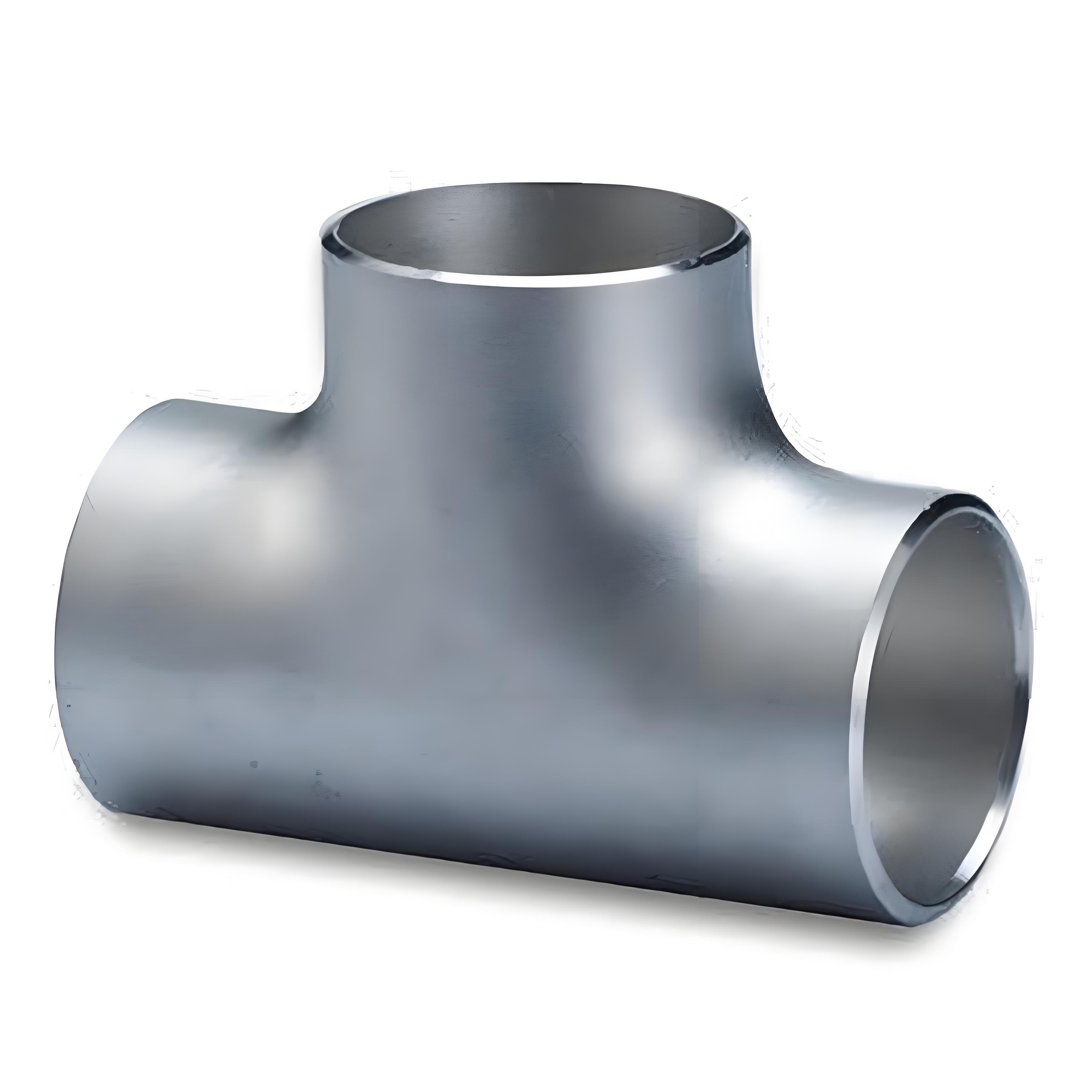
Stainless Steel Tee
The stainless steel tees we supply are used for splitting, merging, and branch direction changes of media in industrial piping systems, and are commonly found in humid, acid-base, salt-spray, clean, and high-temperature working conditions where carbon steel pipe fittings are difficult to handle. Product materials include 304, 304L, 316, 316L, 321, and 904L austenitic stainless steel as well as 2205 and 2507 duplex stainless steel, and they can be produced according to ASME B16.9, GB/T12459, SH/T3408, and MSS SP43 standards. In terms of processes, they are divided into three categories: seamless pressing, high-pressure forging, and large-diameter rolled and welded fabrication: the seamless type has a smooth flow channel and few welds; the forged type has a dense grain structure and is suitable for high-pressure pipelines; the rolled type can achieve extra-large pipe diameters. The surface can be treated with pickling and passivation, mirror polishing, or sandblasting, and the connection methods include butt welding, socket welding, and threading. Before purchasing, it is recommended to confirm the medium, diameter, wall thickness, material, and connection standard, and we will assist in matching the process and providing a quotation.
Learn More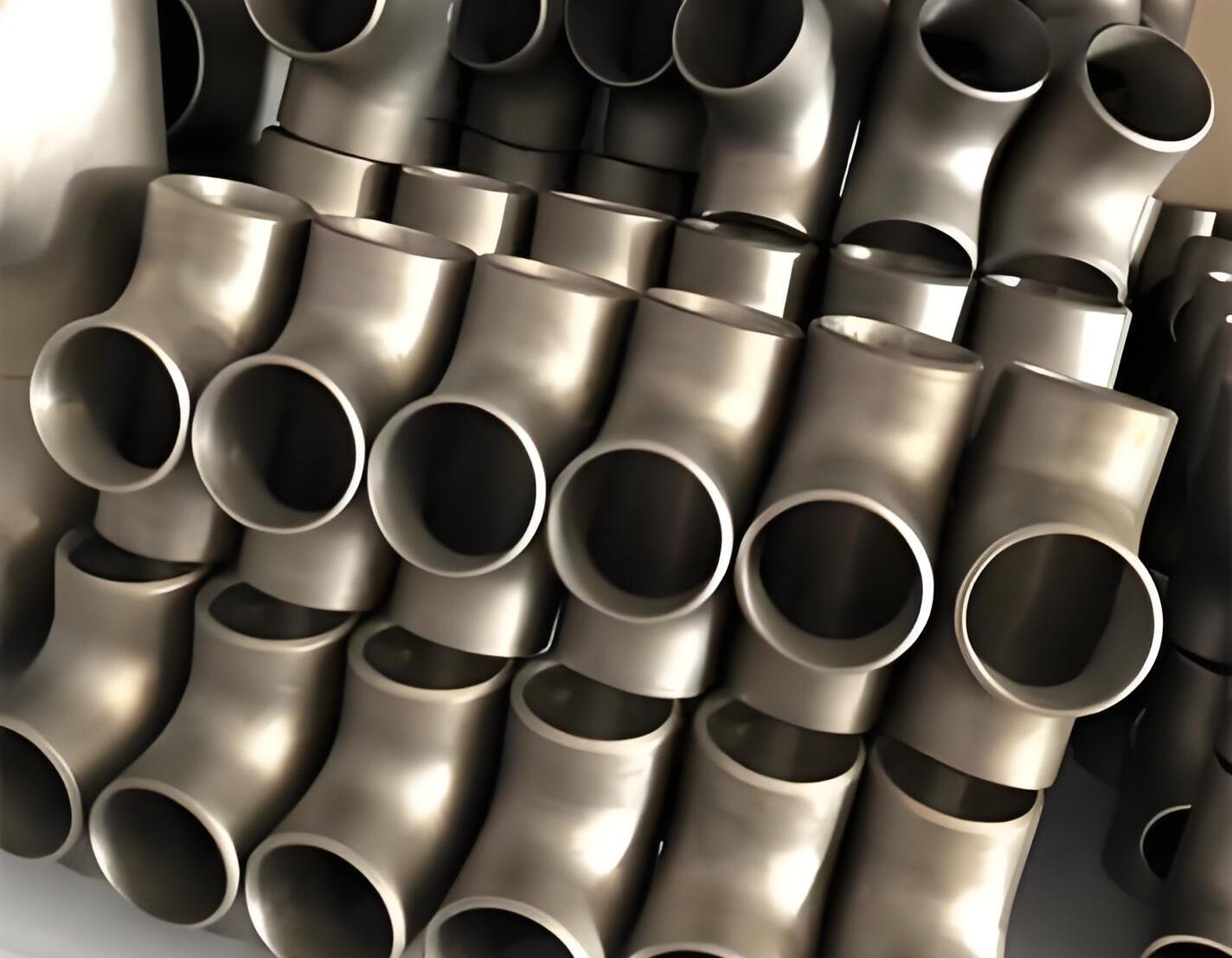
Alloy Tee
Alloy tees belong to chromium-molybdenum heat-resistant alloy steel special pipe fittings, and are mainly used in high-temperature steam, hydrogen-containing media, and high-pressure heavy-duty piping systems to achieve media splitting, merging, and branch direction changes. The products are manufactured according to standards such as ASME B16.9, ASME B16.11, GB/T12459, GB/T14383, and ASTM A234, with diameters covering DN15–DN3000. According to the process, they are divided into three major categories: seamless pressing, high-pressure forging, and rolled welding, corresponding respectively to small and medium diameter conventional high-temperature and high-pressure applications, small diameter ultra-high-pressure equipment piping, and DN600 and above super-large diameter main pipeline networks. Mainstream materials include 15CrMo, 12Cr1MoV, Cr5Mo, P11, P22, and P91, which can operate long-term in high-temperature and high-pressure environments of 450°C–620°C. We can customize non-standard sizes and special materials according to drawings, samples, or technical agreements. You are welcome to contact us to confirm specific configurations and quotations.
Learn More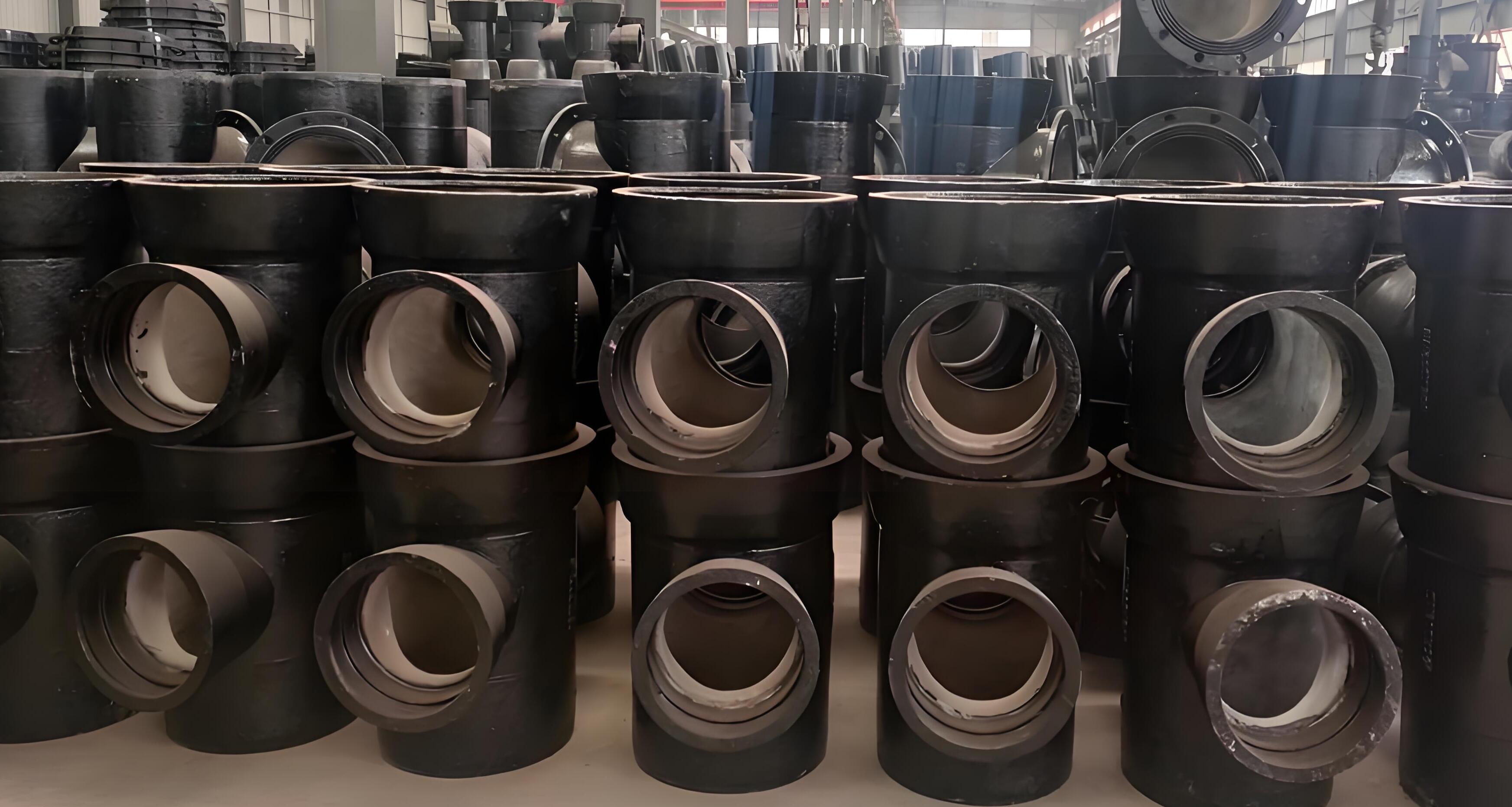
Ductile iron tee
Ductile iron tees belong to the category of diversion and confluence pipe fittings used in low- and medium-pressure civil pipeline networks. The material is QT450-10 high-toughness ductile iron. Through spheroidizing treatment, the graphite is distributed in a spherical form, giving it advantages over ordinary gray cast iron tees in tensile strength, elongation, and resistance to foundation settlement deformation. The products are manufactured in accordance with ISO2531, EN545, GB/T13295, and AWWA C110 standards, with specifications covering DN25–DN2000, suitable for PN10, PN16, PN25, and PN40 pressure ratings. Connection methods include flange, socket, grooved, and mechanical joint (MJ), requiring no hot work welding, making them suitable for rapid construction and explosion-proof renovation scenarios. Finished products can undergo asphalt anti-corrosion treatment, epoxy powder coating, hot-dip galvanizing, and other treatments, and are used in outdoor working conditions such as buried installation, open-air laying, and heavy-load rolling. We provide products and selection support for municipal infrastructure, fire protection, gas and heating, water conservancy and environmental protection, and overseas infrastructure projects. For specific specifications and configurations, please contact us for confirmation.
Learn More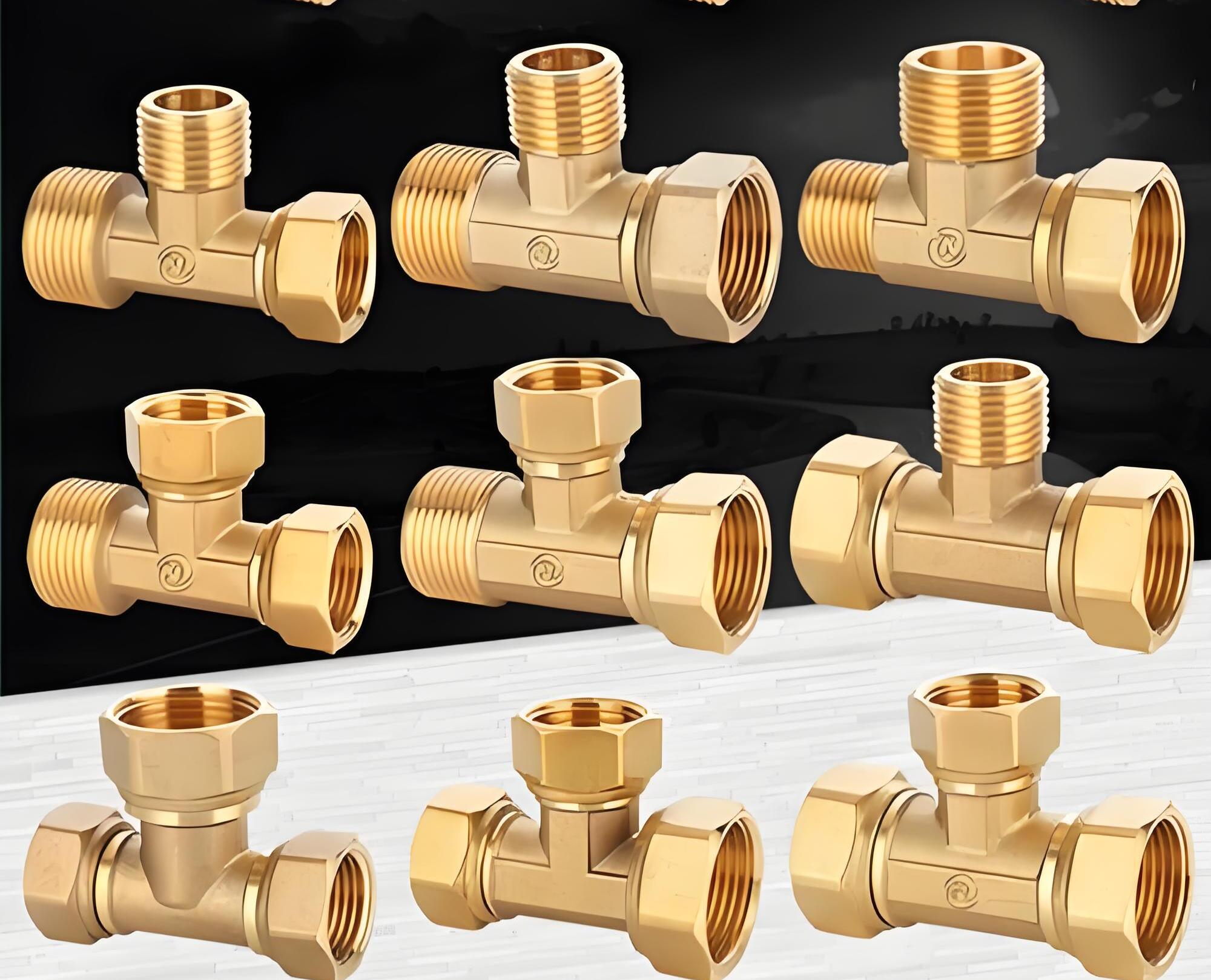
Copper Tee
Copper tees are used in piping systems for the diversion, merging, and branch direction-changing conveyance of media. By structure, they are divided into equal-diameter, reducing, and 45° diagonal tees; by connection method, they are divided into threaded, press-fit, welded, and union types. We use H59/H62 high-precision brass and TU2 high-purity copper (corresponding to C11000/C12200) as raw materials, processed through precision forging, integrated forming, CNC precision turning, polishing and passivation, and other processes. The pipe wall is dense and uniform, and the threads engage precisely. The copper material itself has antibacterial, rust-proof, high- and low-temperature resistant, and thermal expansion and contraction resistant properties, and can withstand a temperature range of -40°C to 180°C for a long time, adapting to various media such as cold water, hot water, purified water, gas, refrigerant, hydraulic oil, and clean gases. The products are manufactured in accordance with standards such as GB/T11618, ASTM B280, EN1254, and NSF61. Finished products undergo acid pickling passivation and anti-oxidation treatment, and are low-lead and environmentally friendly. Regular specifications support sample submission for inspection and engineering replacement parts. Non-standard sizes, materials, and thread systems can be customized according to drawings or samples.
Learn More