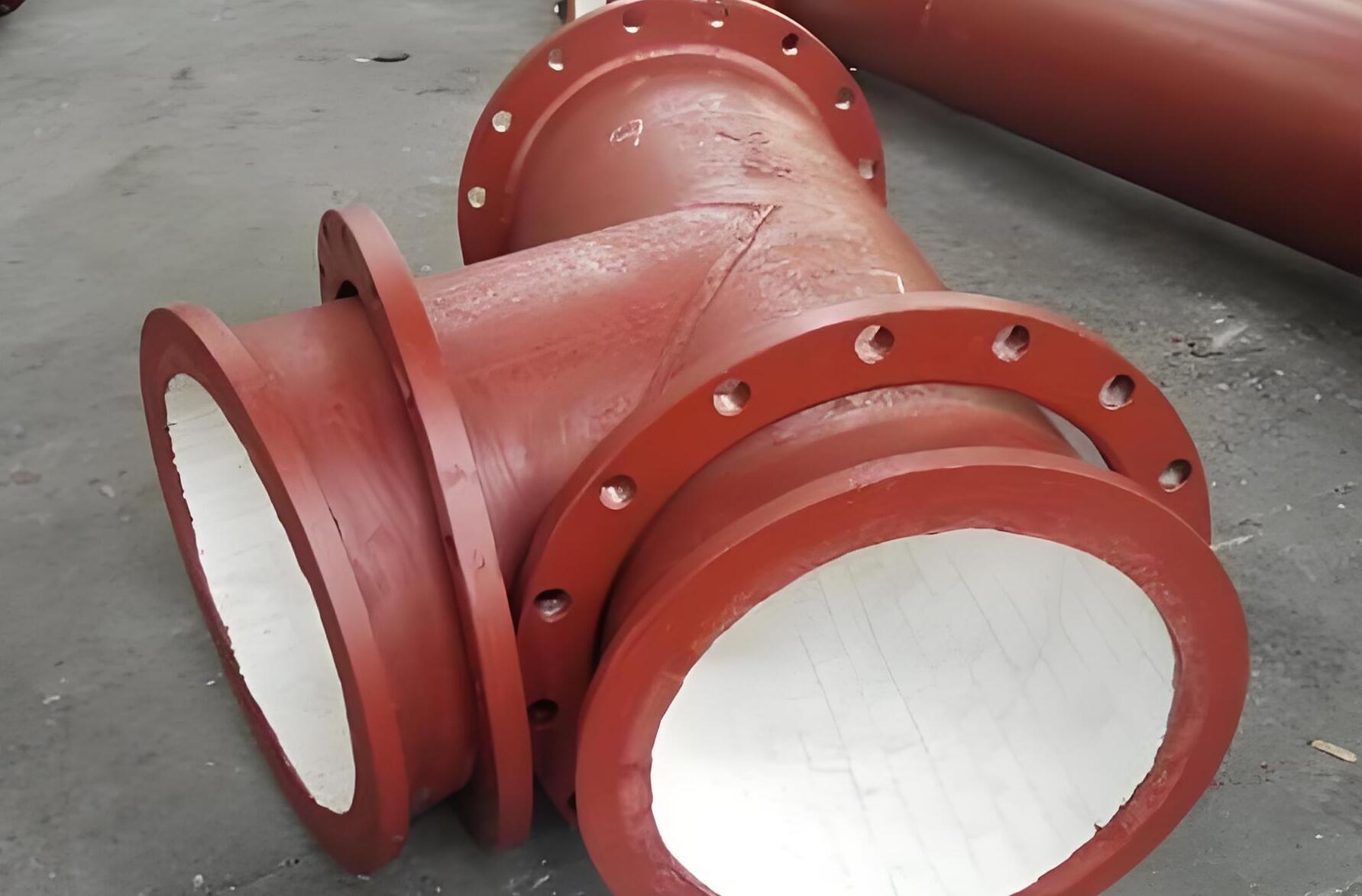
Wear-resistant tee
Wear-resistant tees are used for splitting, merging, and branch direction-changing conveyance in industrial pipelines with high scouring and severe wear. We manufacture them in accordance with GB/T12459, HG/T21635, and power industry wear-resistant pipeline standards, with nominal diameters covering DN50–DN1200, pressure ratings adapted to PN10–PN40, and available in equal-diameter, reducing, and 45° lateral tee structures, with connection methods including butt welding, flange, and socket welding. According to wear intensity, temperature, and corrosive environment, we provide four wear-resistant processes: the ceramic-lined type is suitable for normal-temperature dry severe wear, the bimetal overlay welding type is suitable for large-particle heavy-load impact, the rare earth alloy casting type is suitable for high-temperature ash conveying and desulfurization working conditions, and the rubber-lined type is suitable for wet wear environments such as ore slurry and mud. Compared with ordinary carbon steel or stainless steel tees, wear-resistant tees can increase service life by 8–20 times under corresponding working conditions, reducing downtime maintenance and pipe replacement losses.
Learn More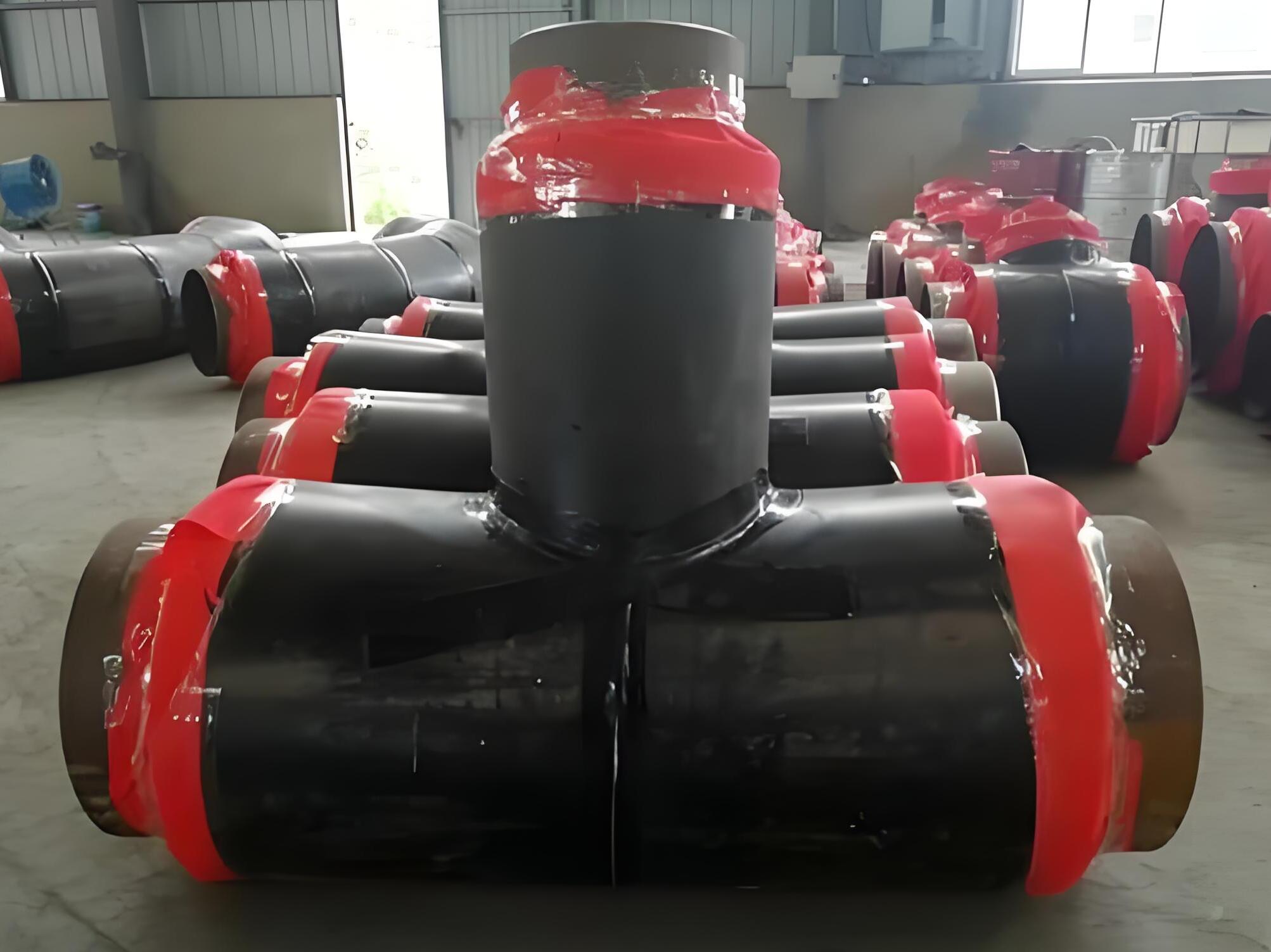
Insulated Tee
Insulated tees are used at branch, merging, and direction-change positions of heating pipe networks, solving in one go at the factory prefabrication stage the problems of ordinary bare tees that easily lose heat, freeze and block in winter, and have uneven on-site insulation wrapping. The product adopts a three-layer composite structure of an inner working base body, a middle thermal insulation layer, and an outer protective shell. The inner layer can be selected from 20# carbon steel, 304 stainless steel, or heat-resistant alloy steel; the middle layer is mainly high-density polyurethane foam, and rock wool or aerogel can be customized for high-temperature working conditions; the outer layer can be selected from HDPE polyethylene, fiberglass-reinforced plastic, galvanized iron sheet, or stainless steel. According to the laying method, it is divided into three categories: prefabricated directly buried, aboveground, and jacketed heat tracing, and structurally covers equal-diameter, reducing, 45° oblique tees, and crossover tees. The temperature resistance range covers low-temperature cold preservation at -40°C to high-temperature heating supply at 160°C, and it is suitable for hot water, steam, heat transfer oil, chilled water, and high-viscosity chemical media. Specifications cover DN20–DN1200, and customization according to drawings and overseas standards is supported.
Learn More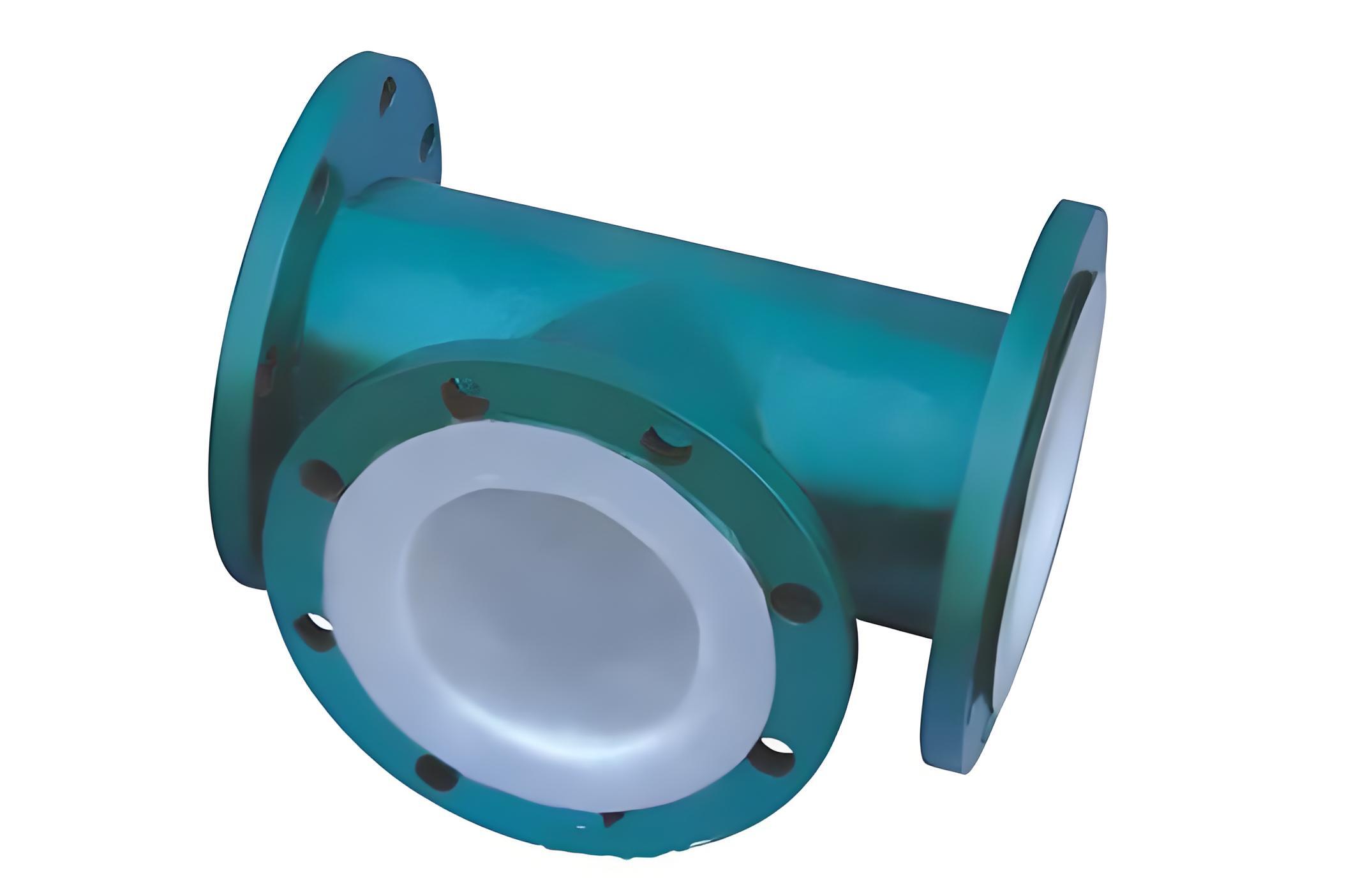
Anti-corrosion Tee
Anti-corrosion tees are used for splitting, merging, and branch direction-changing conveyance in corrosive fluid piping systems, and are commonly found in chemical process pipelines, industrial wastewater and sludge slurry pipe networks, power plant desulfurization slurry, pharmaceutical liquid medicines, printing and dyeing and electroplating waste liquids, seawater conveyance, and coastal salt-spray environments. We organize our products along three routes: material anti-corrosion, lining anti-corrosion, and surface anti-corrosion: plastic models are corrosion-resistant throughout and have zero rust; fluorine-lined and rubber-lined models use a carbon steel base body to bear pressure, while the inner anti-corrosion lining resists strong acids and alkalis; stainless steel models rely on their alloy structure for corrosion resistance; coated models are suitable for conventional corrosive working conditions. In terms of structure, there are equal-diameter, reducing, and 45° lateral tees, and the connection methods support butt welding, flanges, and threads. Specifications cover DN15–DN1200. For specific diameters, pressure ratings, connection standards, and anti-corrosion layer thicknesses, please contact us to confirm according to the project.
Learn More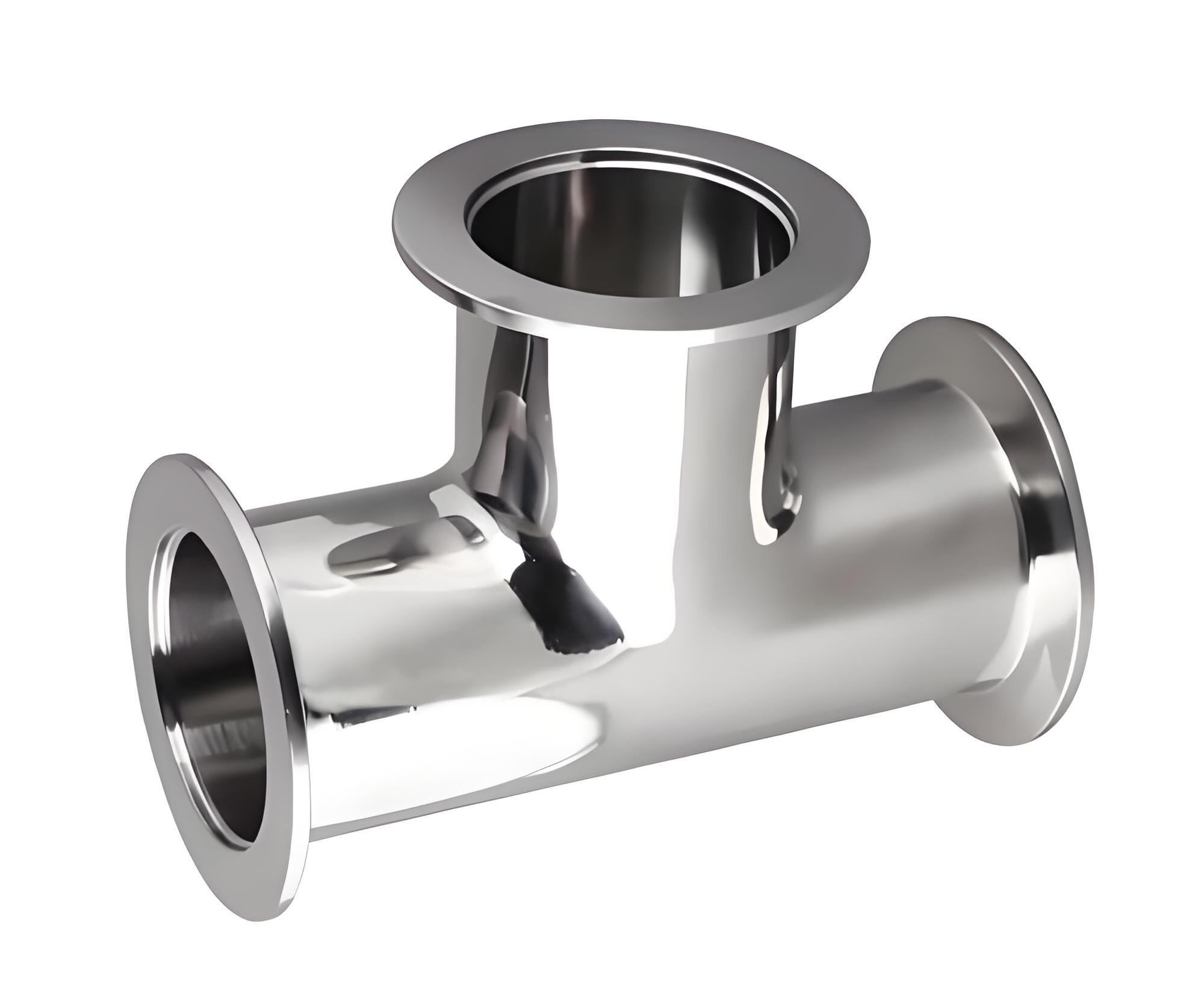
Sanitary Tee
Sanitary tees mainly solve the problems of ordinary industrial pipe fittings in clean pipelines, such as easy material accumulation, dirt retention, bacterial growth, and incomplete cleaning. We provide equal-diameter, reducing, and Y-type inclined tee structures. Connection methods include quick-install clamps, butt welding, threads, and unions, with specifications covering DN10 to DN150. The products are integrally forged and formed from 304 food-grade or 316L pharmaceutical-grade stainless steel, with mirror polishing inside and outside, arc transitions in the flow channel, and no cleaning blind spots. Seals can be food-grade silicone or EPDM gaskets. The temperature resistance range is -20°C to 180°C, and it can transport media such as pure water, medicinal liquids, dairy products, beverages, biological preparations, and daily chemical stock solutions. Before purchasing, please confirm the specific configuration according to the medium type, cleanliness level, disinfection method, and connection standard. You are welcome to contact us for assistance in selection.
Learn More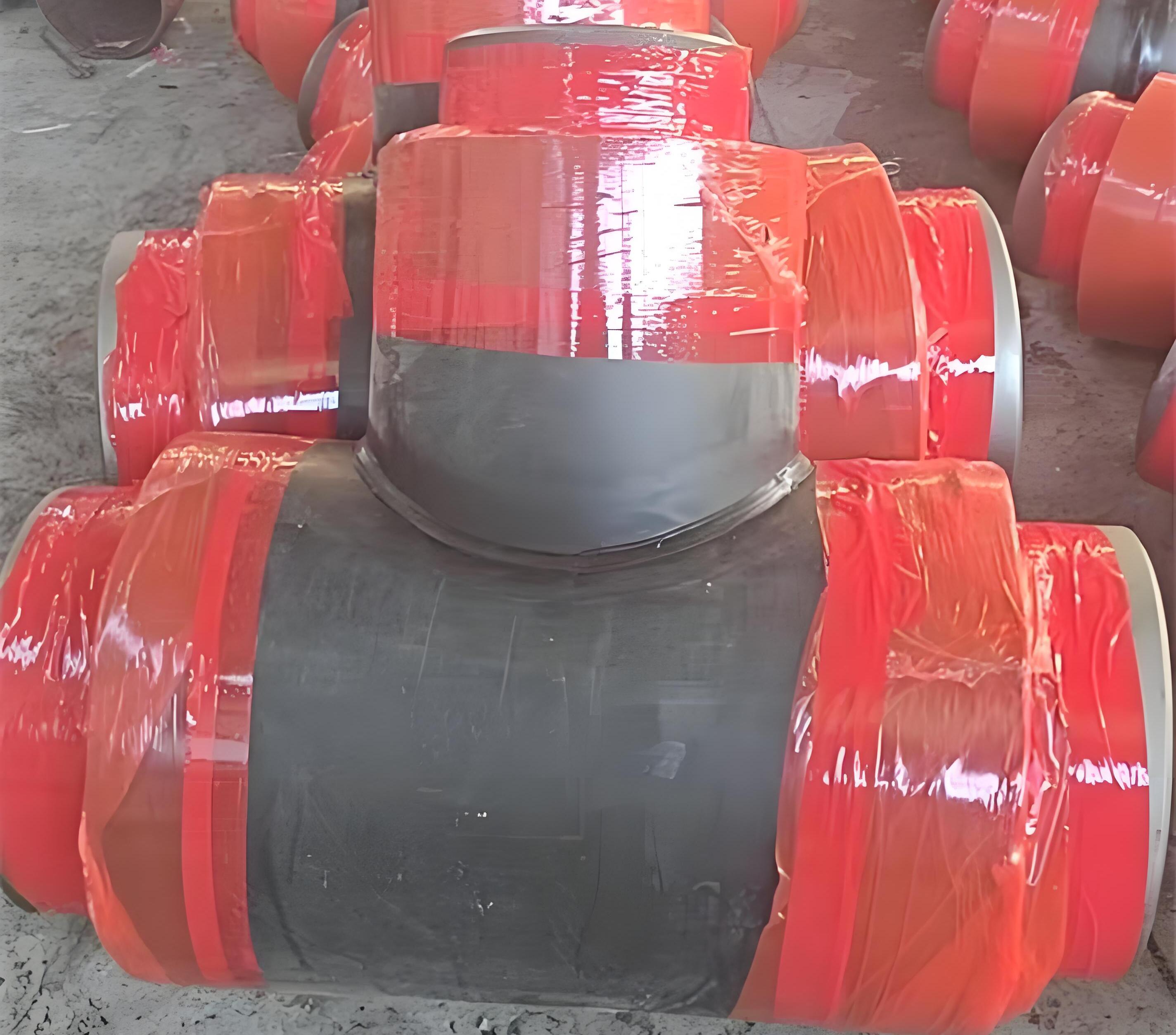
Insulated Wear-Resistant Composite Tee
The insulated wear-resistant composite tee is designed to address the problems that ordinary wear-resistant tees are not insulated and ordinary insulated tees are not resistant to erosion. The inner wear-resistant layer can be selected from ceramic lining, bimetal overlay welding, rare earth alloy, or rubber lining; the middle layer is a Q235B or 20# carbon steel pressure-bearing base body; the outer layer is a high-density polyurethane or rock wool insulation layer; and the outermost layer can be optionally a PE, fiberglass-reinforced plastic, or galvanized iron sheet protective shell. The product covers DN50–DN1200, with pressure ratings PN10–PN40, supports butt welding and flange connections, and includes equal-diameter, reducing, and 45° oblique tee structures. It is suitable for branch diverting transportation of high-temperature dry powder, hot pulverized coal, high-temperature ore slurry, hot slag, desulfurization slurry, and thermal circulation media. For specific configurations and prices, please contact us for confirmation.
Learn More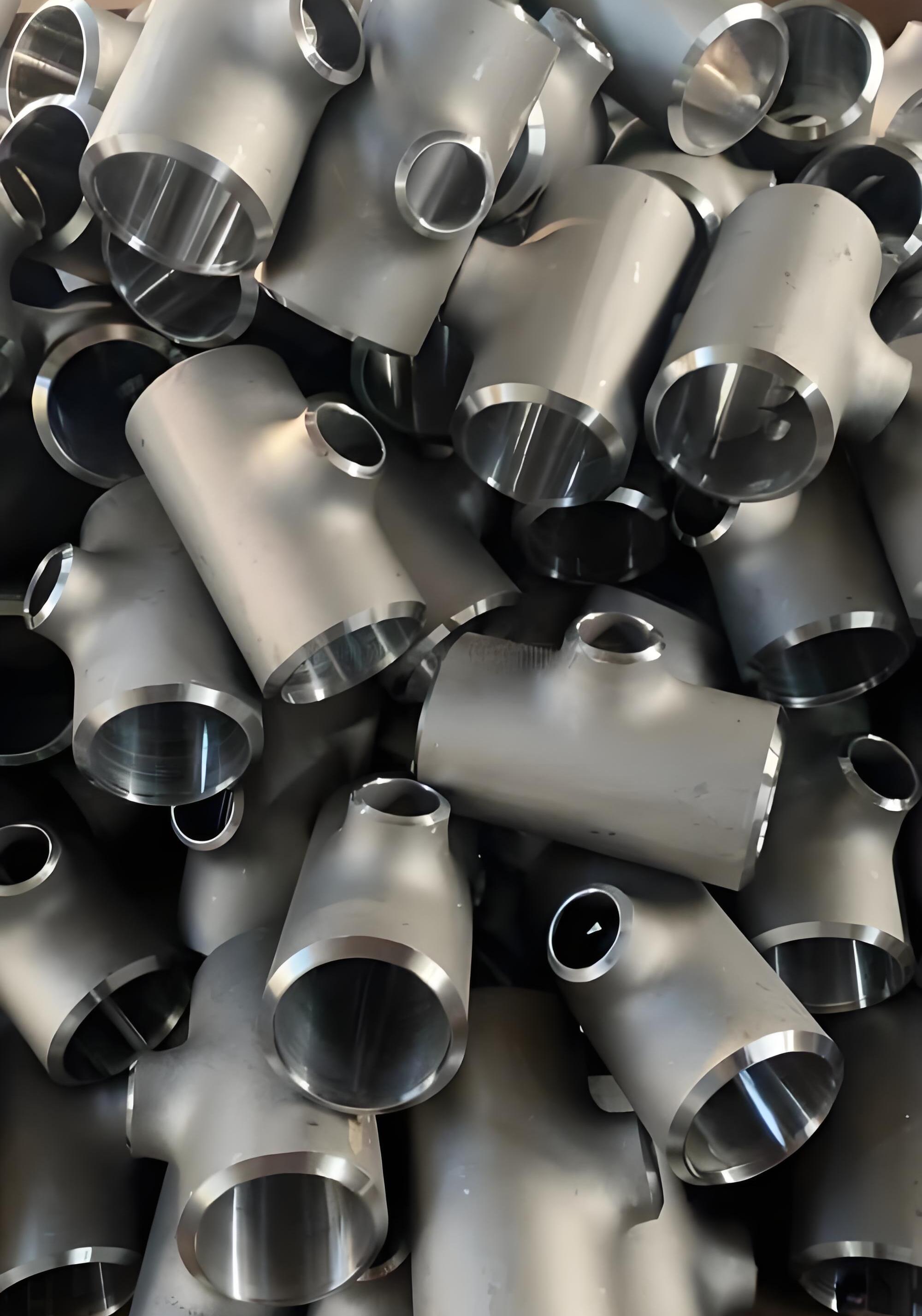
Vent Tee
The vent tee is installed on pressure pipelines. Through a reserved dedicated vent branch interface, it is used together with a vent valve, drain valve, purge connector, or pressure gauge to help the pipeline discharge accumulated air, release residual pressure, and drain accumulated liquid and residual liquid during startup, shutdown, and maintenance. We use integrated forging or seamless pressing processes for forming, with smooth flow channels, reducing blind spots for air and liquid accumulation, uniform pressure bearing, and stable sealing performance. The product structure includes straight T-type, inclined 45°, and Y-type vent structures. Connection methods cover butt welding, flange, threaded, and socket welding, and can adapt to permanent main pipe networks and detachable maintenance pipelines. In terms of materials, carbon steel models can be selected for normal-temperature and low-pressure water and gas pipe networks, stainless steel models for corrosive media, and alloy steel thickened models for high-temperature and high-pressure steam and oil-gas working conditions. Specifications cover DN15–DN600, and support customization of non-standard pipe diameters, special branch angles, and irregular eccentric structures according to drawings, samples, or technical agreements.
Learn More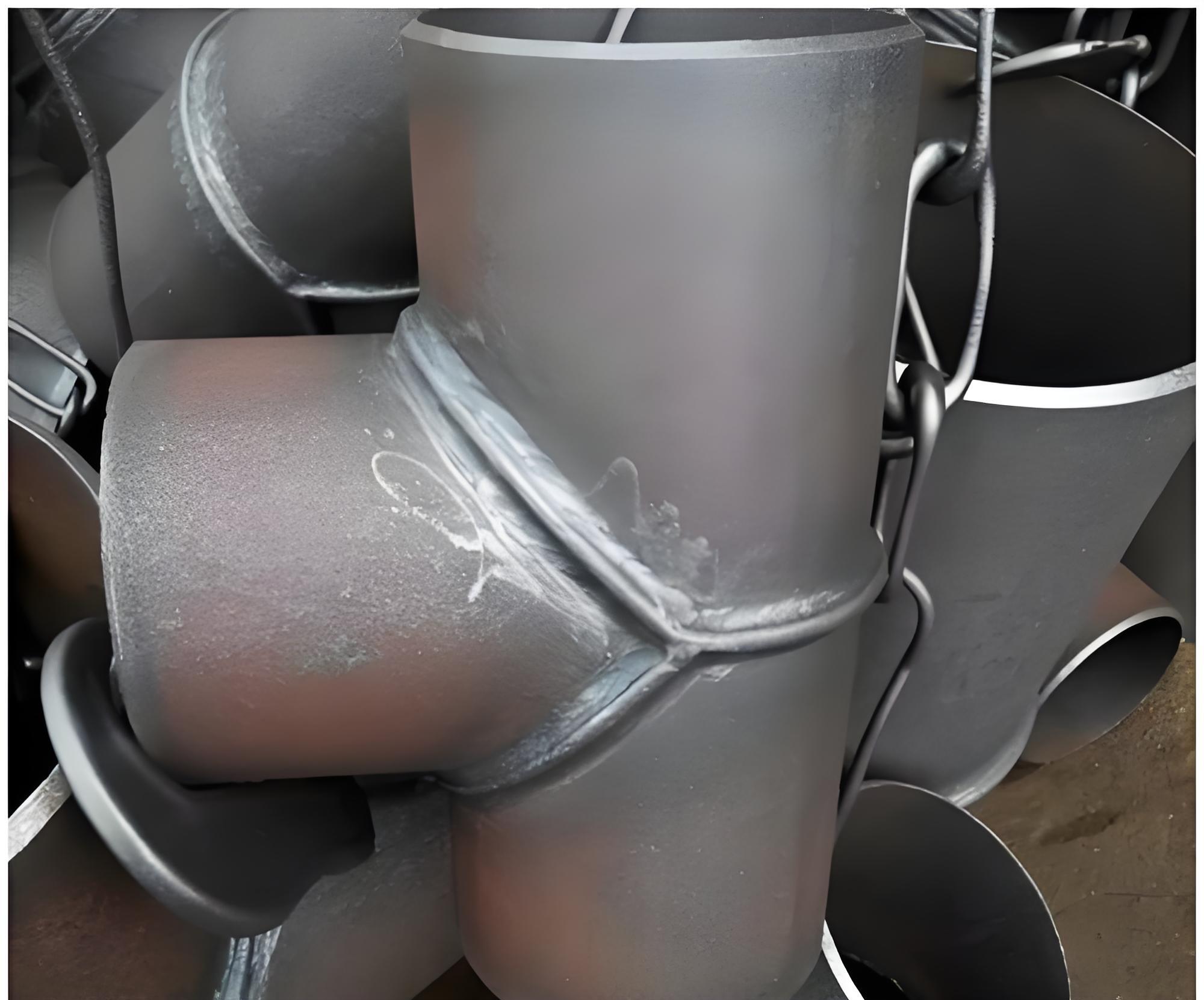
Reinforced Tee
The reinforced tee has been structurally strengthened to address issues such as stress concentration at the branch root of ordinary tees, tearing under high pressure, and cracking due to thermal expansion and contraction. In the connection area between the main pipe and the branch pipe, we add fish-belly, trapezoidal, triangular, or annular rib plates to distribute the fluid impact pressure and thermal stress over a larger area. The products cover DN20–DN1200, with materials including carbon steel, stainless steel, and alloy steel. The structures include equal-diameter, reducing, and 45° lateral tees, and the connection methods can be butt welding, flange, socket welding, and threaded. Production refers to standards such as GB/T12459, GB50235, DL/T, and ASME B16.9. Before purchasing, it is recommended to provide the medium, pressure rating, temperature range, and connection standard, and we will assist in confirming the reinforcement form and material.
Learn More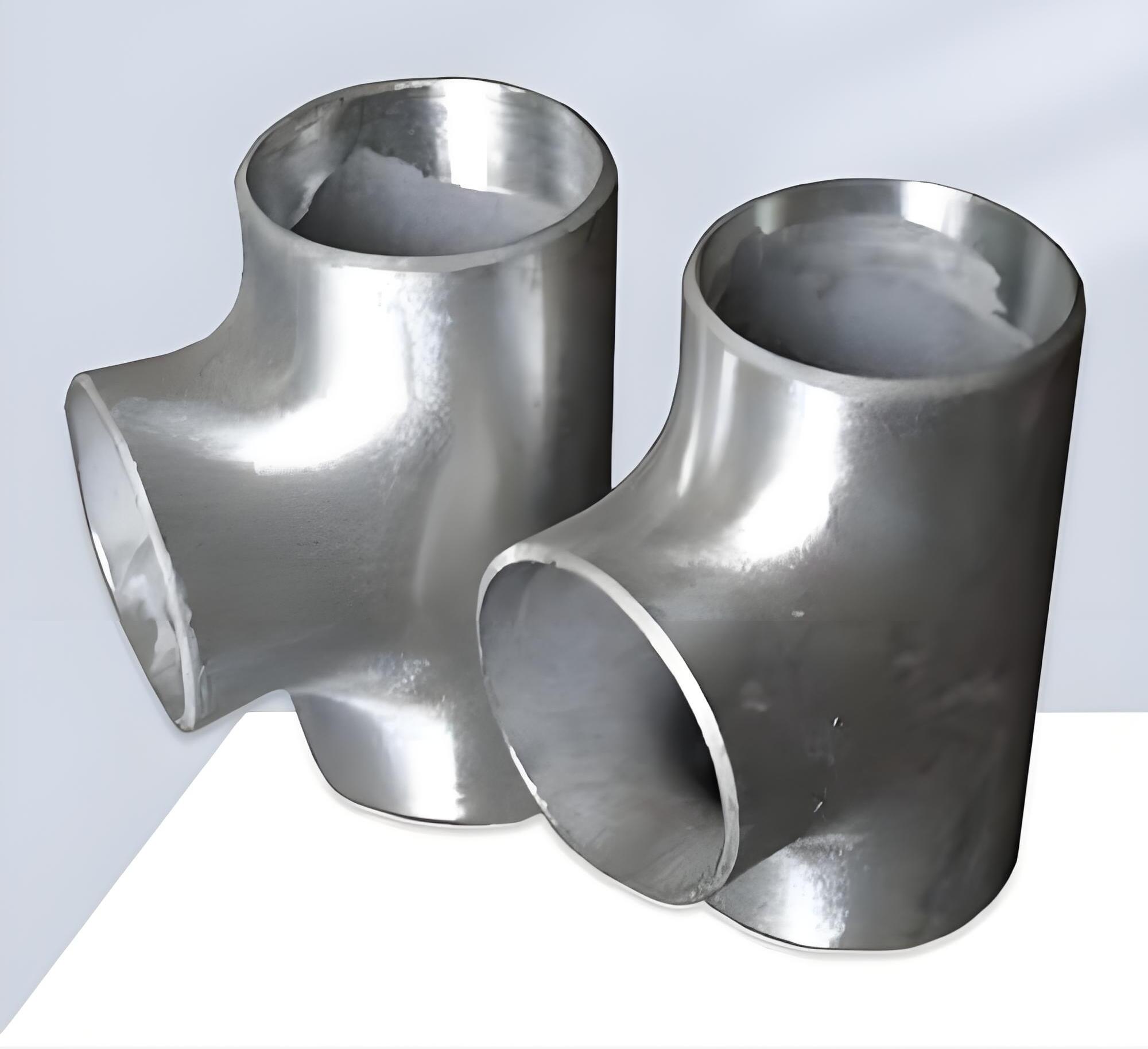
Standard Wall Thickness Tee
Standard wall thickness tees are used for branching, diverting, and merging of the main pipe in pipeline systems, and are basic pipe fittings with relatively large usage in standardized pipeline networks. The product we manufacture is produced according to general standards such as GB/T12459, GB/T13401, ASME B16.9, DIN, JIS, etc. The wall thickness is implemented according to standard grades such as SCH10, SCH20, SCH40, SCH80, STD, XS, etc., and the diameter ranges from DN15 to DN1200. Structurally, there are equal-diameter, reducing, and 45° lateral tees. Connection methods include butt welding, flange, socket welding, and threaded. Materials are mainly carbon steel, stainless steel, and alloy steel. When purchasing, people usually pay attention to whether the wall thickness meets the standard, whether the port dimensions are consistent with the existing pipeline, and whether batch supply is stable. If you have specific diameter, wall thickness grade, and material requirements, welcome to contact us to confirm the configuration and quotation.
Learn More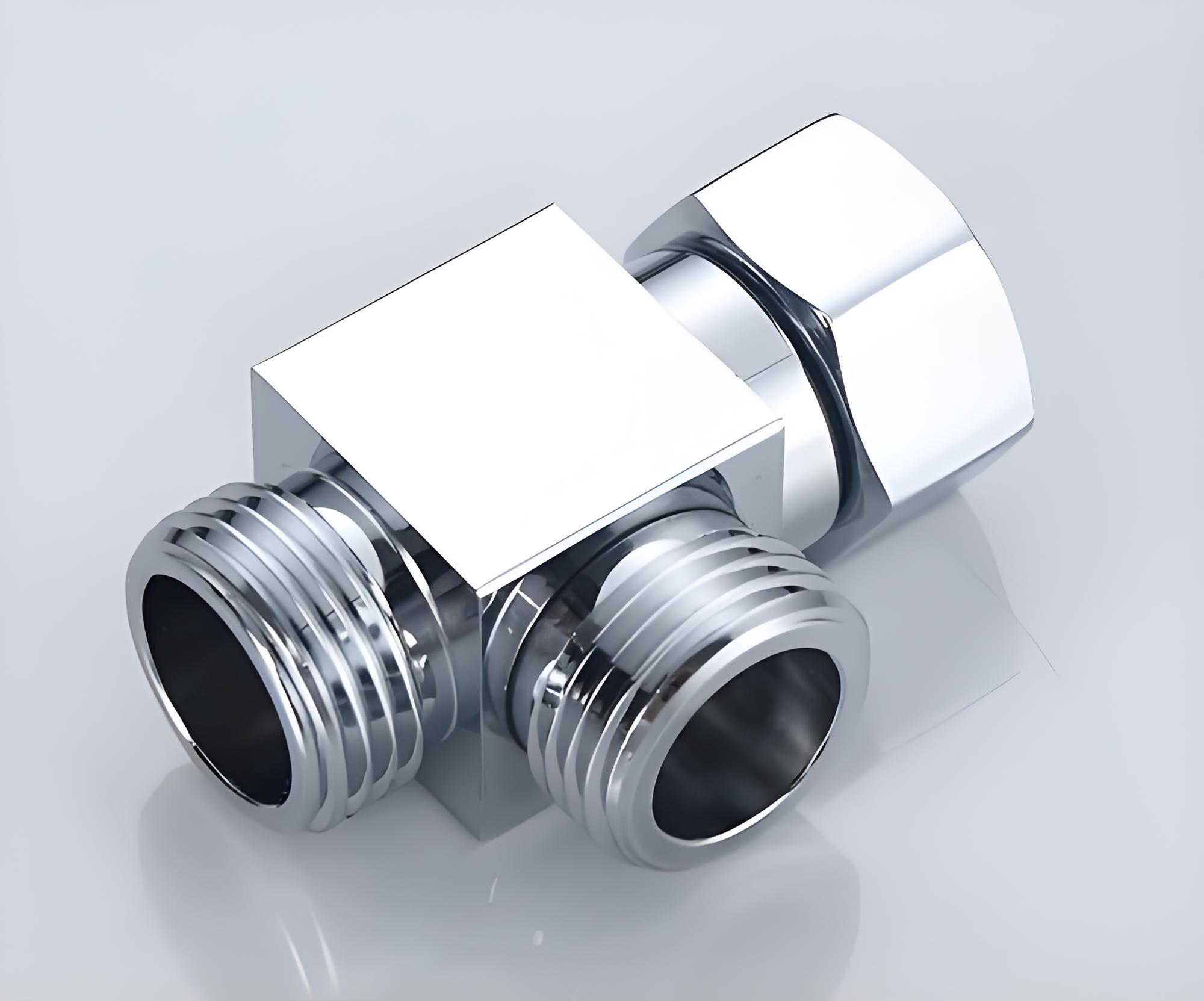
Thickened Tee
Thickened tees, also known as thick-wall high-pressure tees, are branch and merging pipe fittings used in high-pressure, heavy-duty industrial pipeline networks. Compared with conventional wall-thickness tees, we thicken the pipe wall as a whole and also reinforce the high-stress areas of the branch pipe, with the aim of improving pressure-bearing capacity, impact fatigue resistance, and high-temperature deformation resistance, while using the thickening allowance to offset long-term corrosion and wear caused by the medium. The products cover diameters from DN15 to DN1200, and wall thickness grades include ultra-thick-wall specifications such as SCH160 and XXS, suitable for PN100 to PN160, Class600 to 900LB medium-high pressure and ultra-high pressure pipeline networks. The material system includes 20#, 16Mn carbon steel, 304 and 316L stainless steel, as well as 15CrMo and 12Cr1MoV alloy steel, which can respectively correspond to high-pressure water, oil, gas, and steam, corrosive high-pressure pipelines, and ultra-high-temperature and high-pressure power plant and petrochemical pipeline networks. Structural forms include equal-diameter, reducing, and 45° oblique thickened tees, and connection methods can be butt welding, flange, socket welding, and threaded. If you are undertaking new construction of high-pressure pipeline networks, quality improvement and technical transformation of old pipeline networks, or replacement of high-risk points, you are welcome to contact us to confirm the thickening grade, material, and interface standards.
Learn More