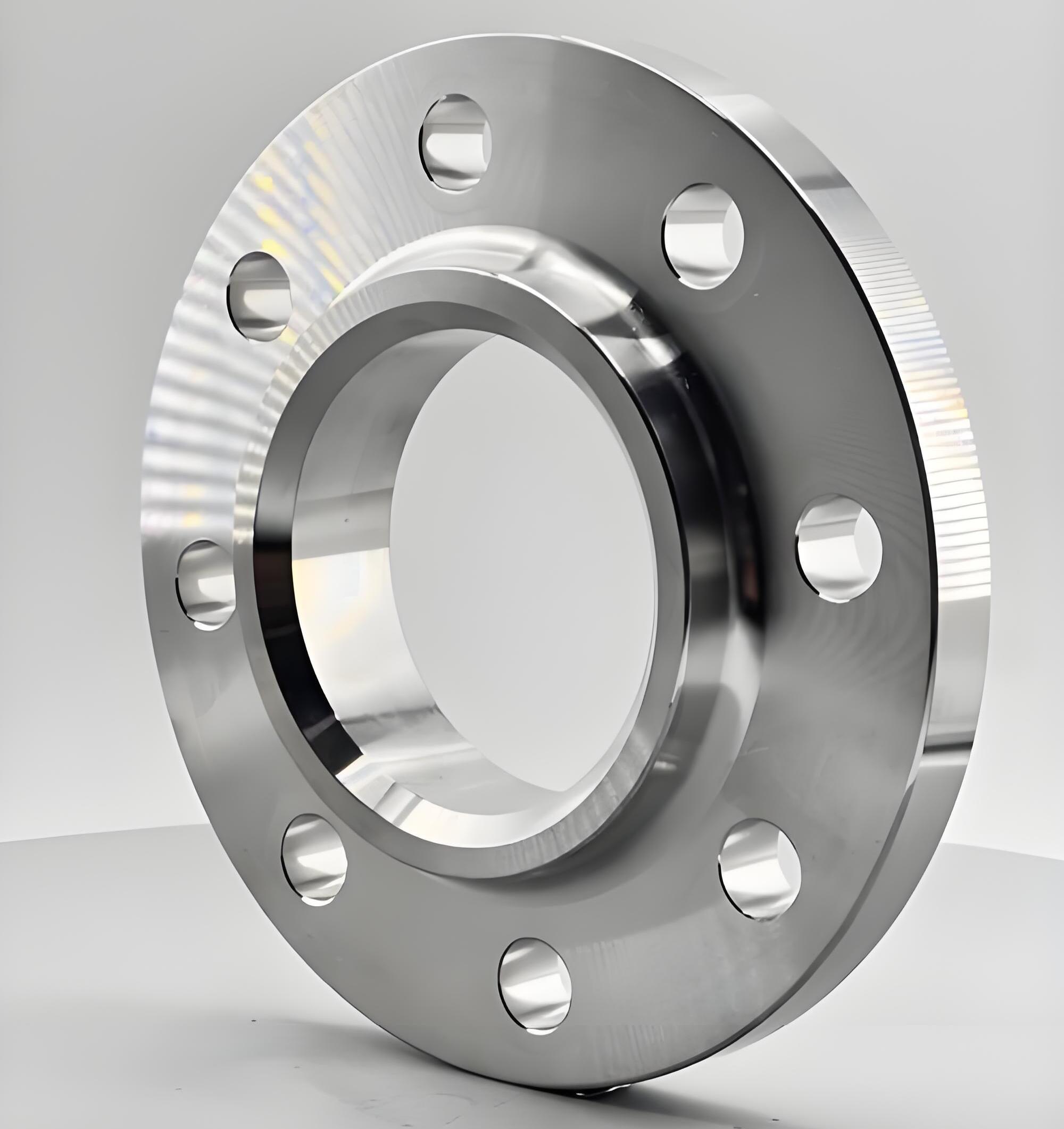
European standard flanged pipe fittings
European standard flange pipe fittings are designed and manufactured with EN1092 and DIN European standards as the core, and their dimensions, bolt hole spacing, pressure ratings, and sealing surface forms all follow European engineering specifications, and they are not directly interchangeable with national standard or American standard pipe fittings. We provide European standard flange elbows, tees, reducers, pipe caps, blind plates, nipples, and other products. The forming processes include seamless pushing, steel plate rolling, forging, and casting, covering the full range of DN10 to DN4000, with pressure ratings from PN2.5 to PN100. The products are suitable for water supply and drainage, sewage treatment, HVAC and heating, gas, industrial process pipelines, and other medium-low pressure to medium-high temperature working conditions, and can transport tap water, circulating water, sewage, low-pressure steam, and weakly corrosive fluids. Raw materials can be selected from European standard grades such as S235JR carbon steel, 304, 316L stainless steel, ductile iron, and cast steel, and the supporting documents support bilingual Chinese-English material certificates and inspection reports.
Learn More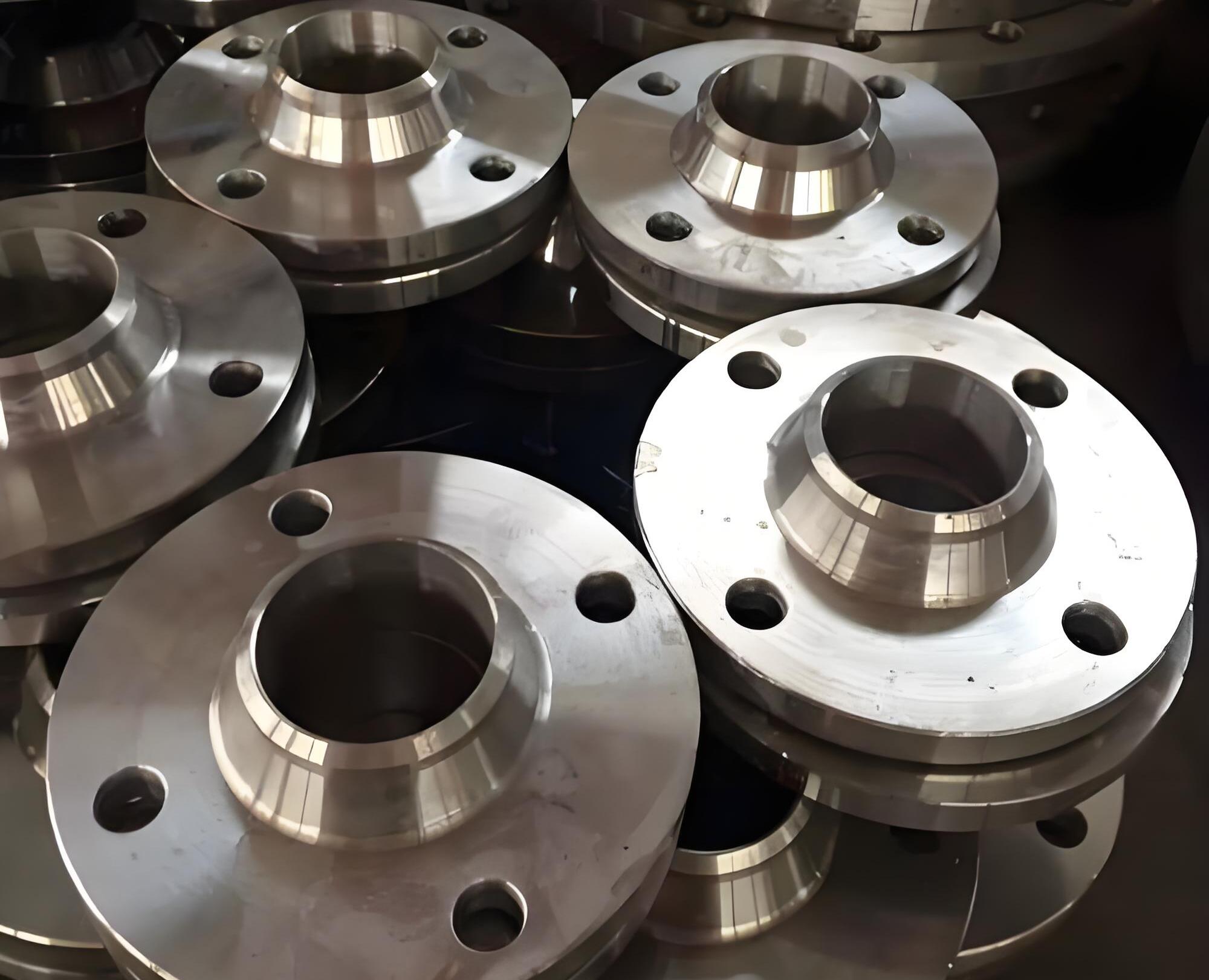
American standard flanged pipe fittings
American standard flanged pipe fittings adopt inch NPS specifications and the Class pound-rated pressure system. Flange outside diameter, bolt hole spacing, and sealing face dimensions all follow American standard specifications, and are not interchangeable with the dimensional systems of national standard or European standard pipe fittings, nor can they be directly interchanged. Product categories cover American standard flanged elbows, tees, reducers, crosses, pipe caps, blind flanges, nipples, and more, relying on flanges, bolts, and gaskets to achieve pipeline sealing and disassembly. Forming processes include forging, seamless pushing, steel plate rolling, and casting, and can adapt to working conditions such as high temperature, high pressure, oil and gas, chemical, and seawater, and are used to transport media such as crude oil, natural gas, steam, process chemicals, and circulating cooling water. We can provide MTR material certificates, nondestructive testing reports, and hydrostatic test reports, with complete Chinese and English documentation. Our products are exported to North America, the Middle East, Southeast Asia, Australia, and other countries and regions that adopt the American standard system. If you need to confirm specific specifications, materials, or pressure ratings, please contact us.
Learn More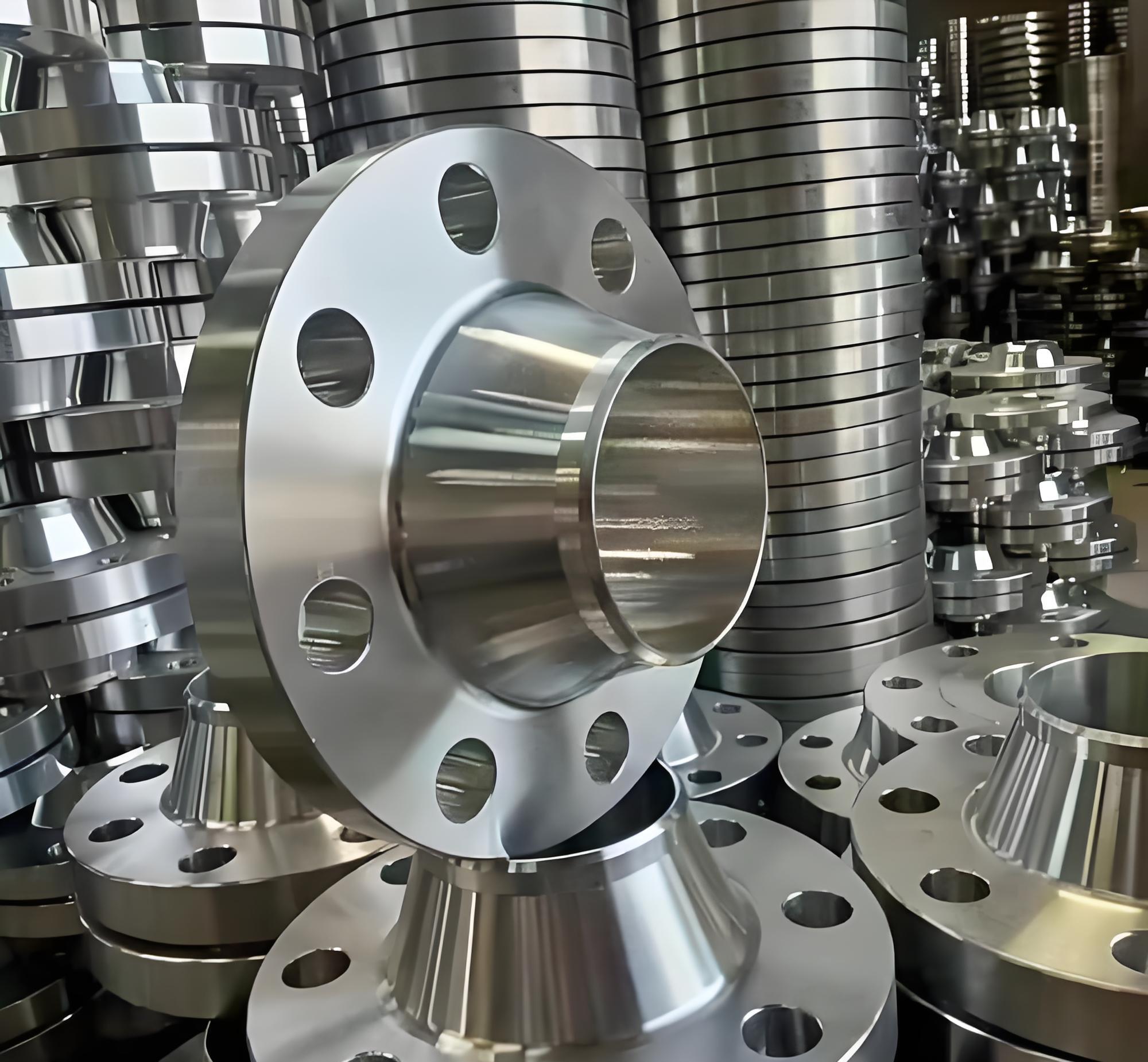
Japanese Standard Flanged Pipe Fittings
The Japanese standard flanged pipe fittings we produce strictly implement the Japanese Industrial Standards JIS B2220 and JIS B2291, and have independent flange outer diameter, K-class pressure, bolt hole spacing, and sealing face specifications, which are incompatible with the dimensional systems of Chinese standard, European standard, and American standard pipe fittings and cannot be directly interchanged or connected. Raw materials can be selected from Japanese-grade materials such as SS400 carbon steel, SCPH2 cast steel, SCS13/SCS14 stainless steel, and 304/316L austenitic stainless steel. The forming processes include forging, seamless pushing, steel plate rolling, and casting. The nominal diameter covers DN15 to DN2000, and the pressure ratings adopt the Japanese standard K-class: 5K, 10K, 16K, 20K, and 30K. Product categories include Japanese standard flanged elbows, tees, concentric/eccentric reducers, cross fittings, pipe caps, blind plates, and nipples, etc., relying on flanges, bolts, and gaskets to achieve rapid disassembly, assembly, and sealing of pipelines. They are suitable for medium-low pressure to medium-temperature working conditions such as water supply and drainage, circulating water, gas, HVAC, ships, food and pharmaceuticals, and process pipelines of Japanese-owned factories, and the media include tap water, sewage, low-pressure steam, and weakly corrosive fluids. We can provide Japanese-English bilingual material certificates, hydrostatic test reports, and spectral inspection reports, and supply in large quantities to Japan itself, Japanese-funded enterprises in China, Southeast Asia, and South Korea.
Learn More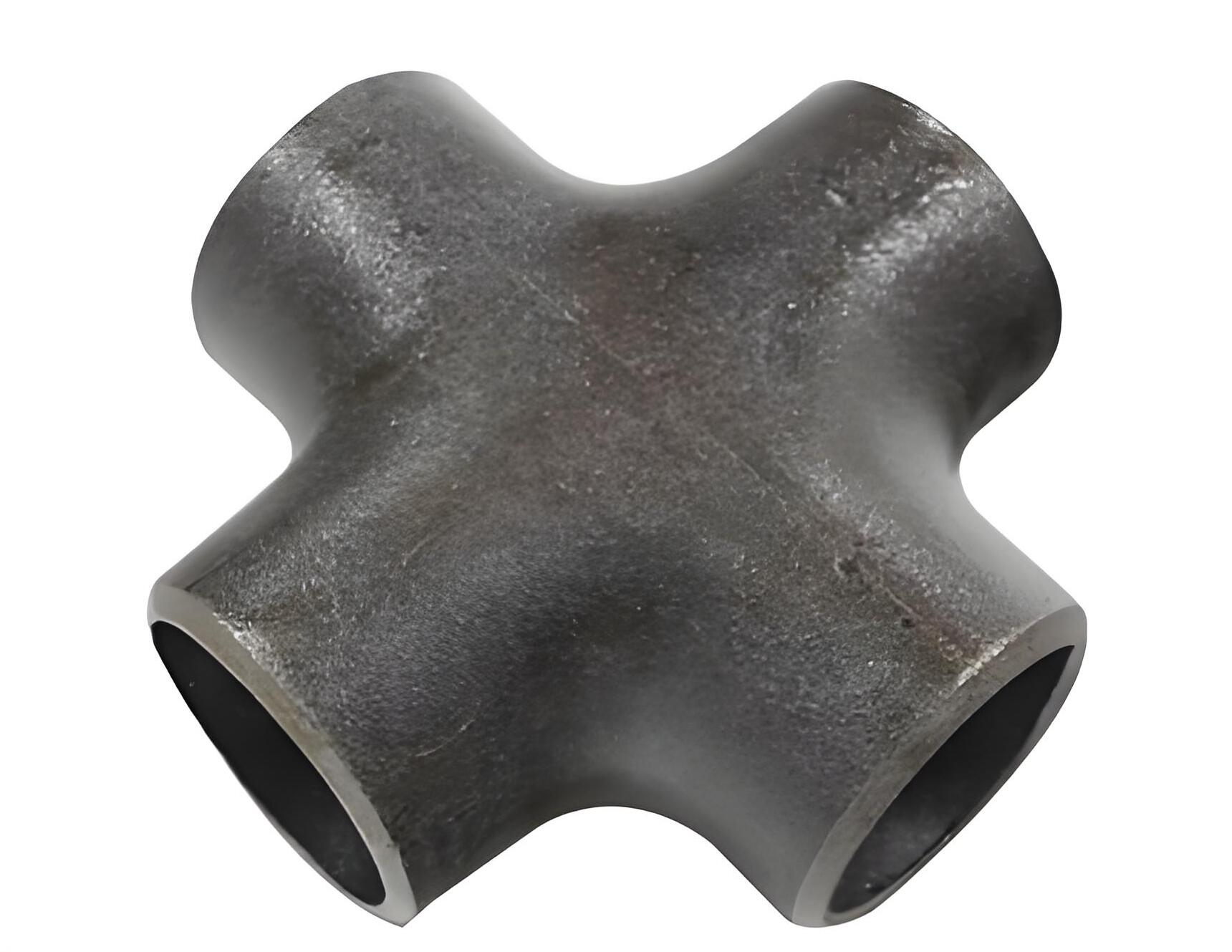
Hot-pressed four-way fitting
Hot-pushed (hot-pressed) cross tees are also called hot-pressed formed cross tees or hot-pushed cross four-way fittings, and belong to steel butt-welding pipe fittings. During production, a seamless pipe blank is heated and then placed into a mold, and through radial extrusion the metal material is made to flow toward the branch pipe position, integrally forming a cross four-way structure, which is different from hydraulically bulged cross four-way fittings and welded cross four-way fittings. The products implement standards such as GB/T12459, GB/T13401, ASME B16.9, and SH/T3408, the connection method is butt welding, and the materials can be selected from 20# carbon steel, A105, 304/316L stainless steel, chrome-molybdenum alloy steel, etc. The specifications cover DN15-DN2000, with wall thicknesses of Sch10 to Sch160 and XXS thickened grades, and they are divided into two categories: equal-diameter cross four-way fittings and reducing cross four-way fittings. At delivery, MTR material certificates, hydrostatic tests, and UT nondestructive flaw detection reports can be provided, and production is supported according to multiple standards including national standards, American standards, European standards, and Japanese standards.
Learn More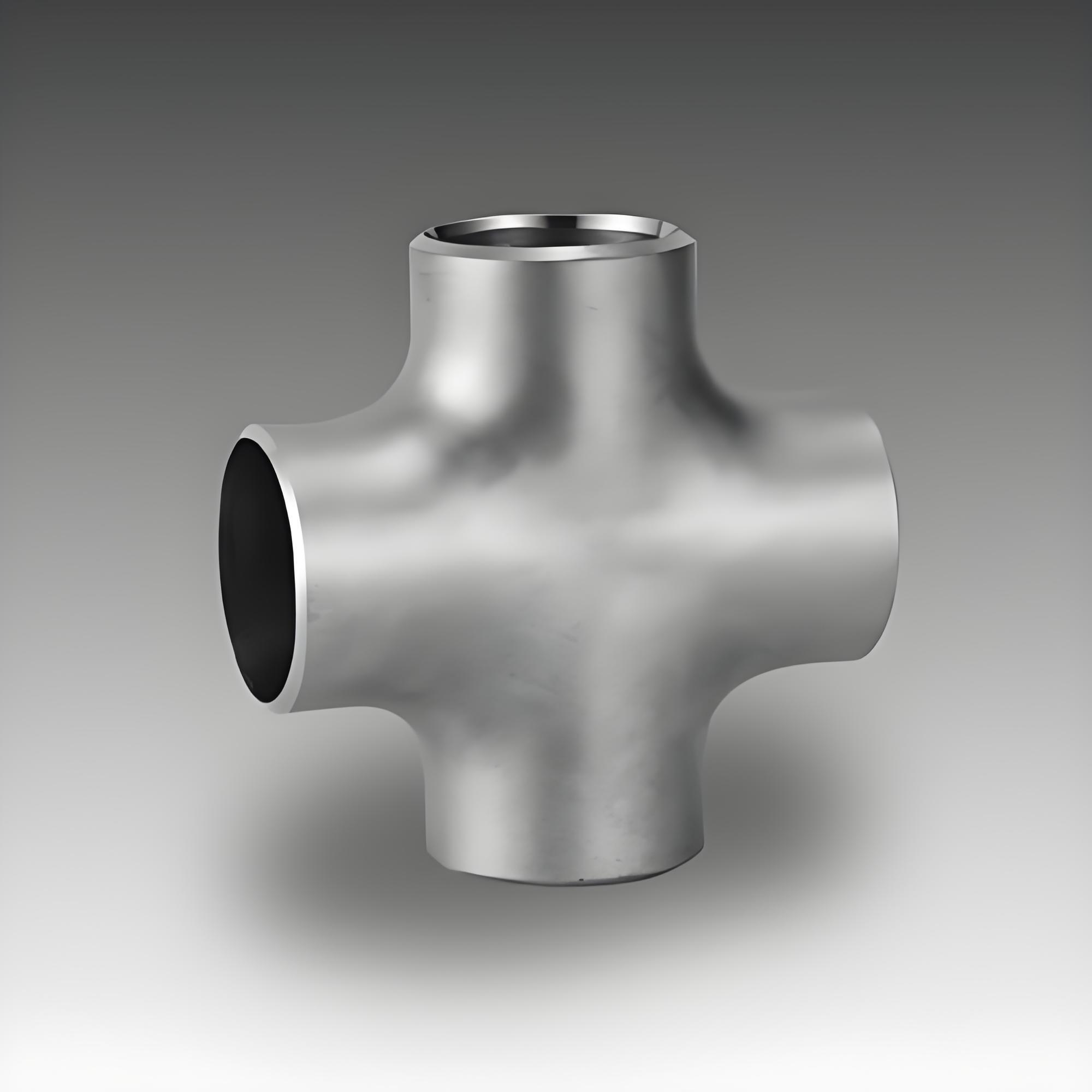
Hydraulic bulging cross
The hydraulic bulged cross is processed using a room-temperature hydraulic axial compensation bulging process, requiring no medium-frequency heating throughout the entire process, with no oxide scale, grain deformation, or welded splicing; the pipe fitting has continuous overall material, and its inner and outer walls are smooth and flat. The product complies with standards such as GB/T12459, ASME B16.9, GB/T13401, and SH/T3408, with a diameter range covering DN15–DN600 (NPS1/2”–NPS24), commonly used wall thicknesses of STD, Sch40, and Sch80, and materials including 20# carbon steel, 304 stainless steel, 316L stainless steel, and duplex steel. It is mainly used for four-way diversion, merging, and pressure-stabilized transportation in clean pipelines, sanitary-grade pipelines, and precision fluid systems, and can transport pure water, purified water, medicinal liquids, food fluids, compressed air, room-temperature oils, and weakly acidic and weakly alkaline clean media. If the project involves ultra-high temperature, ultra-high wall thickness, or ultra-high pressure heavy-duty working conditions, it is recommended to contact us before selection to confirm whether it is applicable.
Learn More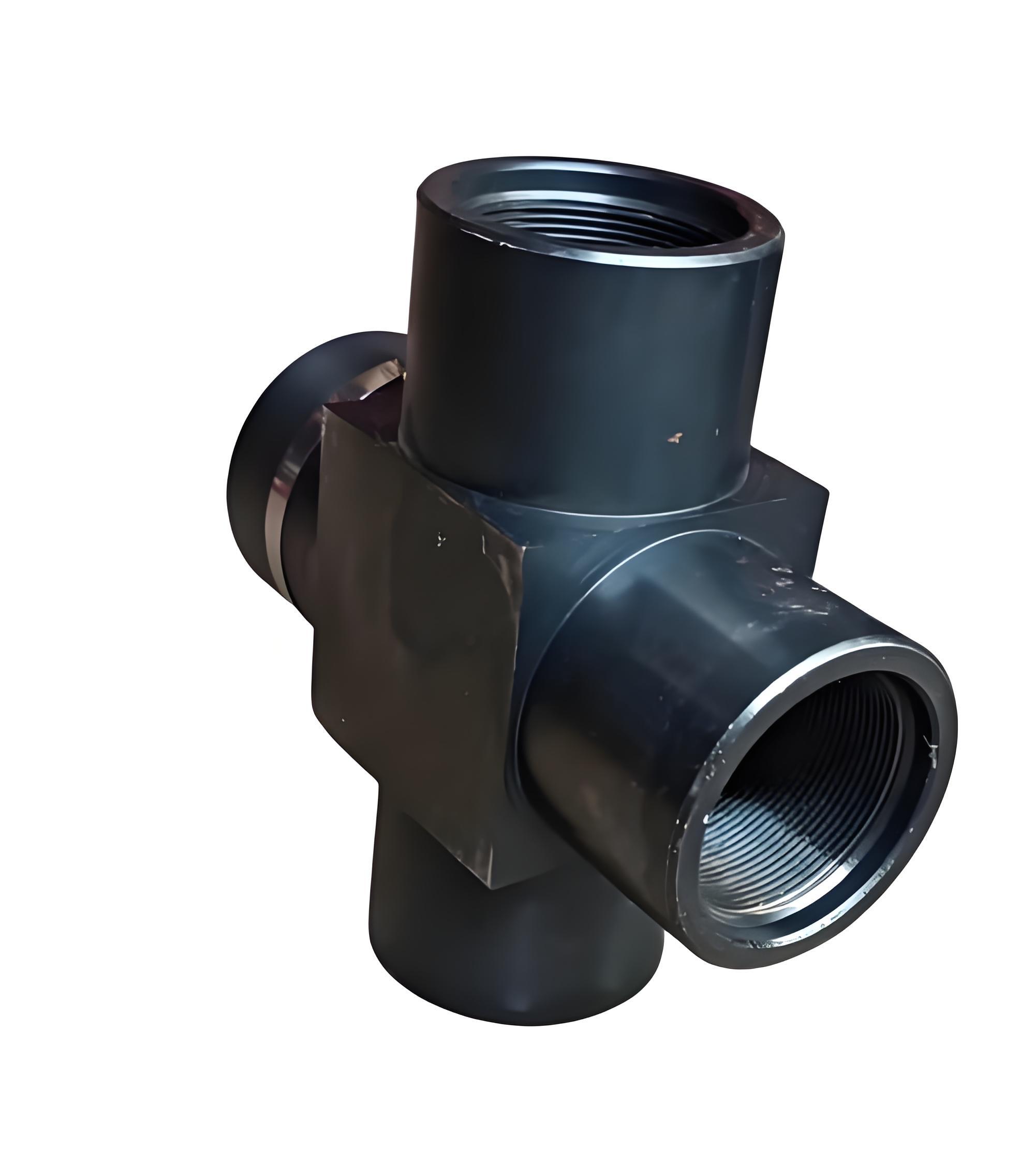
Integrally forged cross
Integrally forged cross fittings start from solid round steel bar stock, are formed through integral die forging and multiple forging blows, with continuous metal fibers and no weld seams or weak points from hot working. The products comply with high-pressure forging standards such as GB/T 14383, ASME B16.11, and SH/T 3410. Standard sizes cover DN6–DN100 (1/8″–4″), pressure ratings include 3000LB, 6000LB, and 9000LB, and connection types are divided into socket welding and threaded connections. Commonly used materials include 20# carbon steel, A105, 304, 316L, 15CrMo, 12Cr1MoV, duplex steel, Monel alloy, and others. It is suitable for pipeline cross nodes under high-temperature, ultra-high-pressure, flammable and explosive, strongly corrosive, high-impact, and high-fatigue working conditions, and is not suitable for ordinary low-pressure water supply and drainage or room-temperature civil pipeline networks. Before purchasing, it is recommended to confirm the diameter, pressure rating, material, connection standard, and thread specifications. We can assist with selection and quotation according to project requirements.
Learn More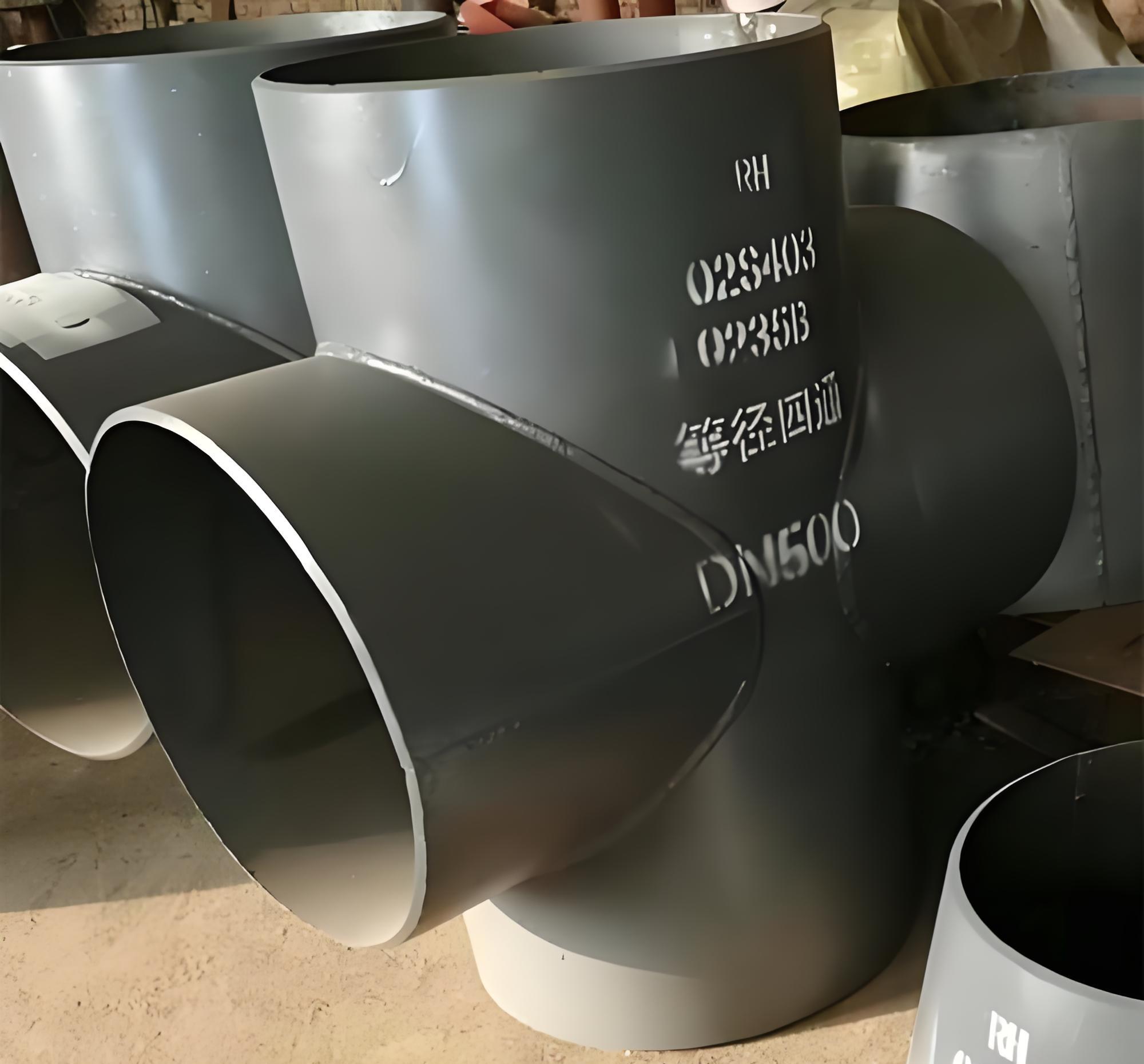
Plate-welded/stitch-welded cross
Plate-welded cross, also known as fabricated welded cross, rolled welded cross, or steel plate assembled welded cross, is a welded pipe fitting we produce to meet the needs of four-way diversion, merging, main pipe branching, and pipe network node conversion for ultra-large-diameter pipelines. Compared with integrated forming processes such as hot pushing, hydraulic bulging, and integral forging, the plate-welded fabricated welding process is not limited by mold size and can produce specifications from DN600 to DN4000, with wall thickness covering 6 mm to 60 mm, and supports non-standard structures such as equal diameter and reducing, eccentric reducing, inclined cross, and extended straight pipe sections. The products comply with welded pipe fitting standards such as GB/T13401, ASME B16.9, SH/T3408, and DIN, and their pressure-bearing capacity is suitable for atmospheric pressure, low pressure, and medium pressure working conditions from 0.6 MPa to 4.0 MPa. They are used to transport media such as tap water, sewage, rainwater, circulating water, low-pressure gas, ventilation flue gas, and ordinary industrial fluids that are non-flammable, non-explosive, and not ultra-high pressure. Commonly used materials include Q235B, Q345B low alloy, 20# carbon steel, 304/316L stainless steel, and weathering steel, and the connection method is standard butt-welding groove.
Learn More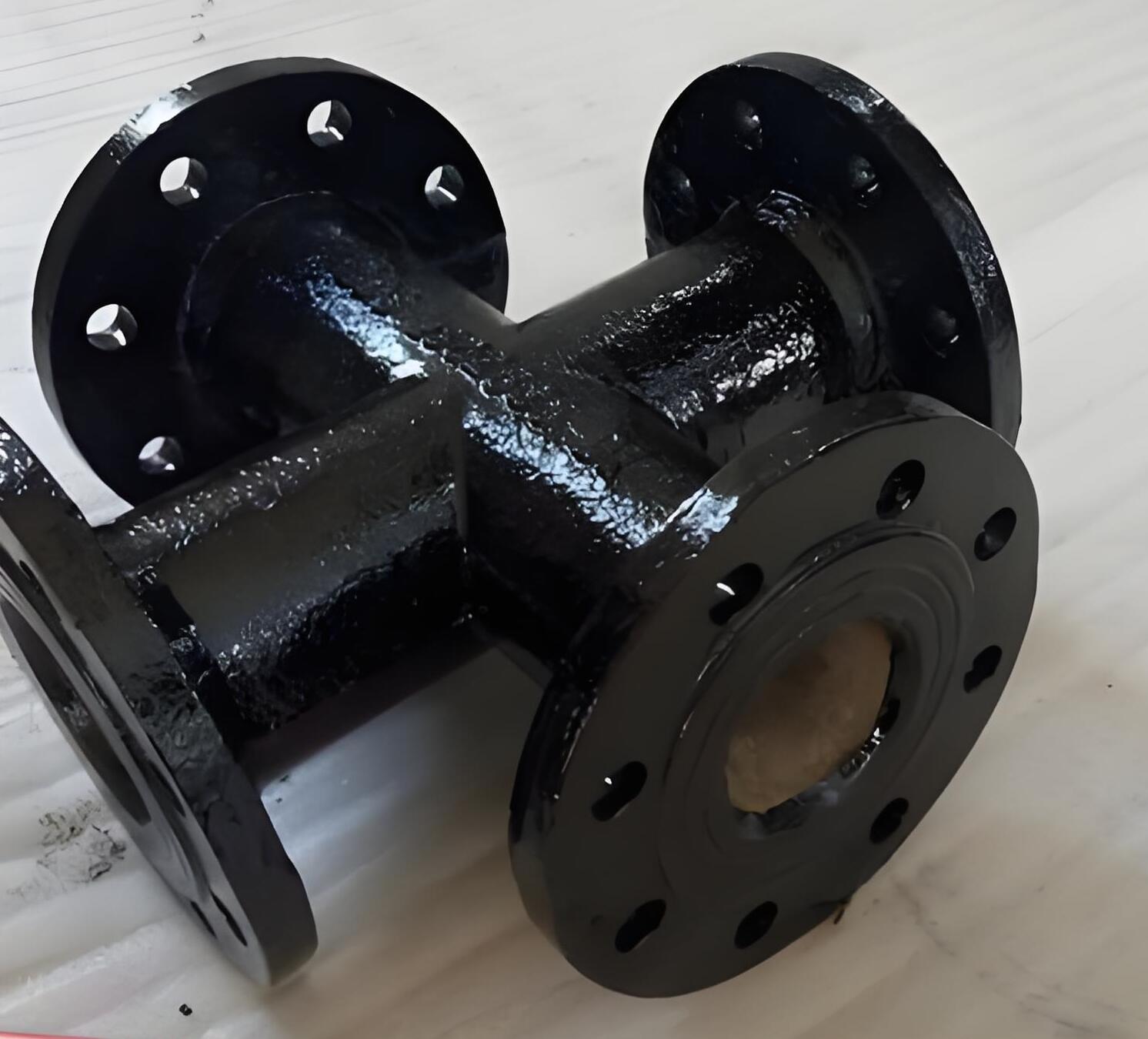
Cast Cross
Cast cross fittings are cross-shaped pipe fittings formed by integral casting; after the blank is formed in one piece, the ports, threads, flanges, grooves, and other structures are machined, which distinguishes them from forged, hot-pushed, and plate-welded fabricated pipe fittings. The materials we commonly produce include QT450-10 ductile iron, WCB cast steel, HT200 gray iron, and 304/316 stainless steel precision castings. The specifications cover DN25-DN600, with conventional pressure ratings of PN10, PN16, and PN25, an operating temperature of -20°C to 300°C, and they mainly comply with standards such as GB/T1348, GB/T12459, GB/T9439, ASME B16.1, ASME B16.3, and MSS-SP-79. The connection types are divided into three categories: grooved, flanged, and threaded. They are used for four-way media diversion and merging in pipelines. Ductile iron cast crosses are mostly used in buried pipe networks for fire protection and municipal water supply and drainage, while cast steel and precision-cast crosses are used in pipelines for general chemical, water treatment, and general equipment applications. This product is easy to form despite its complex structure and is highly cost-effective, but it is not suitable for high-temperature, high-pressure, flammable, and explosive high-risk process pipelines.
Learn More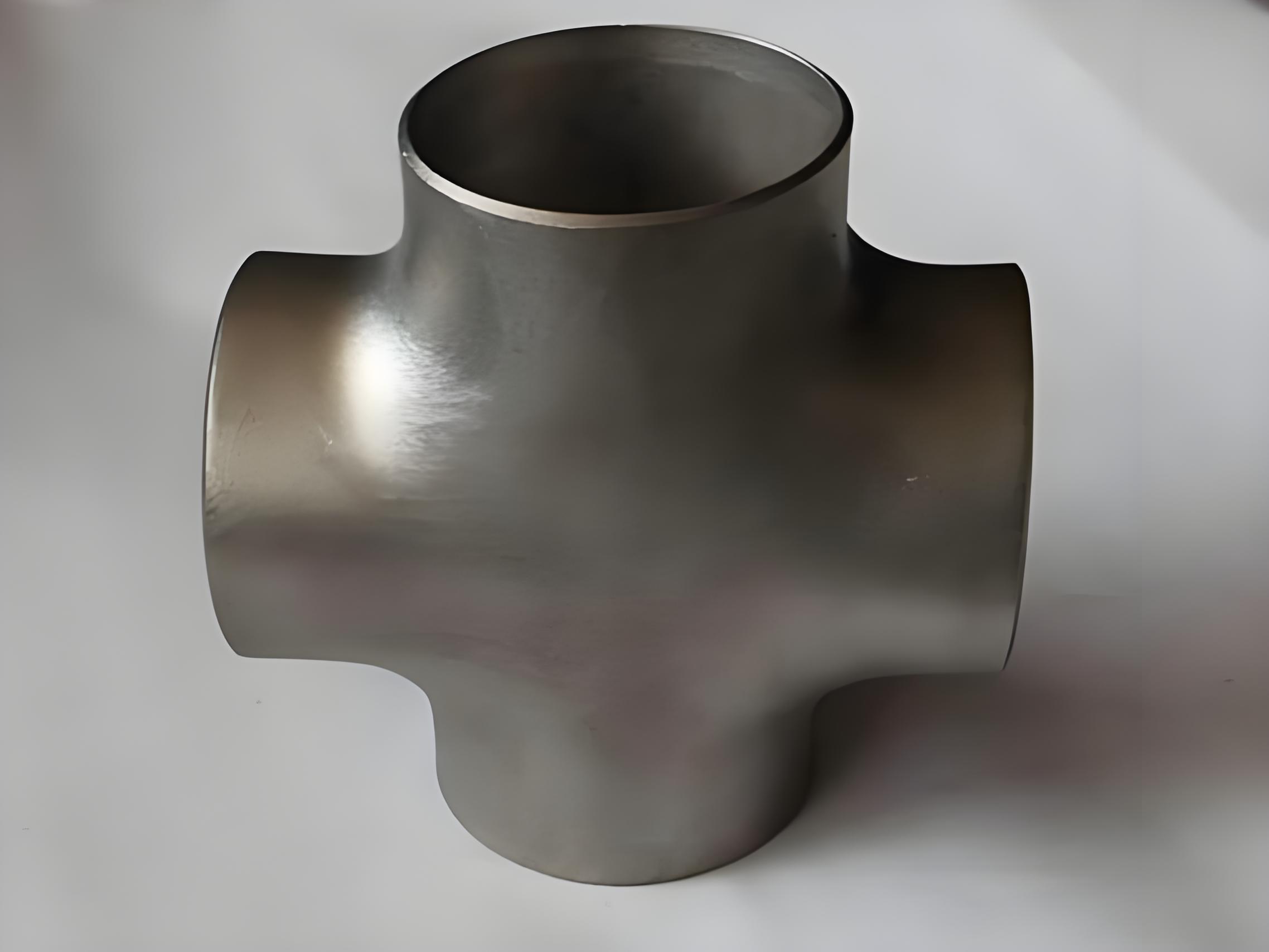
Carbon Steel Cross
Carbon steel four-way fittings are used in piping systems to achieve four-way media diversion, merging, direction change, and node distribution. The materials are mainly 20# seamless carbon steel, A105 forged carbon steel, Q235B plain carbon steel, Q345B low alloy steel, WCB cast steel, and 20G high-pressure boiler steel, and they can transport non-highly corrosive media such as water, steam, gas, oil products, circulating cooling water, and flue gas. The products comply with GB/T12459, GB/T13401, ASME B16.9, ASME B16.11, SH/T3408, and GD electric power standards. Nominal diameters cover DN6 to DN4000, pressure ratings cover PN10 to PN160 and 150LB to 9000LB, and wall thicknesses include STD, Sch40, Sch80, Sch160, and XXS. Connection methods support butt welding, socket welding, and NPT threads. We can arrange production according to project drawings, samples, or technical agreements, and support customization for non-standard sizes, special wall thicknesses, reducing ratios, and surface anti-corrosion.
Learn More