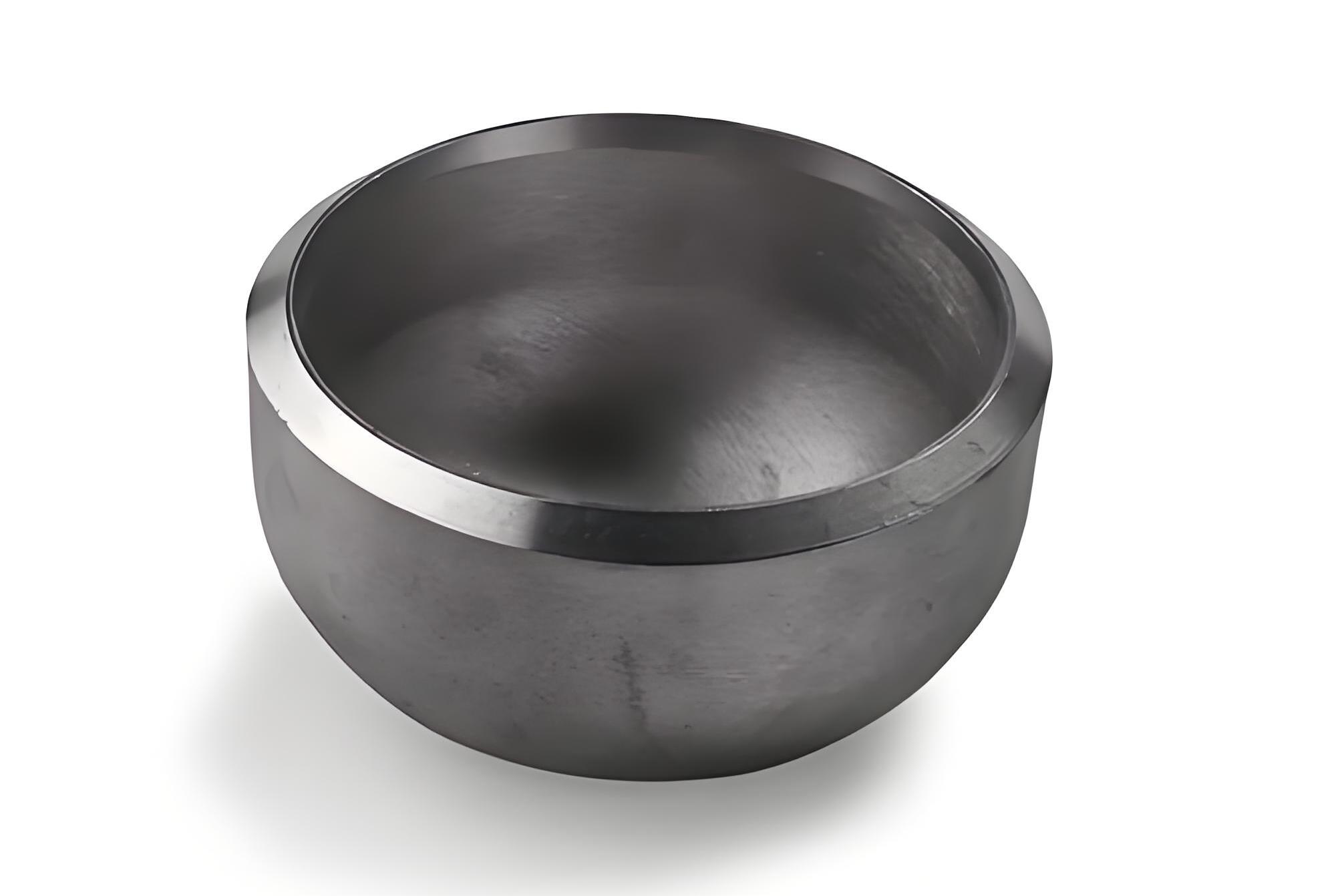
American standard pipe cap
American standard pipe caps are pipe end closure fittings used in conjunction with ASME B36.10M carbon steel pipes and ASME B36.19M stainless steel pipes. Their main functions are to close pipe ends, block medium flow, and reserve spare pipe openings. They can also serve as temporary seals during pipeline hydrostatic testing to reduce impurities entering the pipeline. The products use NPS inch-based specifications, covering NPS 1/2″ to NPS 48″, with wall thicknesses including Sch10, Sch40, Sch80, Sch160, and SchXXS, and pressure ratings covering Class150 to Class1500. Materials are selected according to ASTM grades: carbon steel includes A234 WPB and A105, stainless steel includes A403 WP304 and WP316L, and alloy steel includes A234 WP11, WP22, and the A182 series. Structural forms include elliptical, dished, hemispherical, spherical, and flat bottom, and specific configurations can be confirmed according to project requirements.
Learn More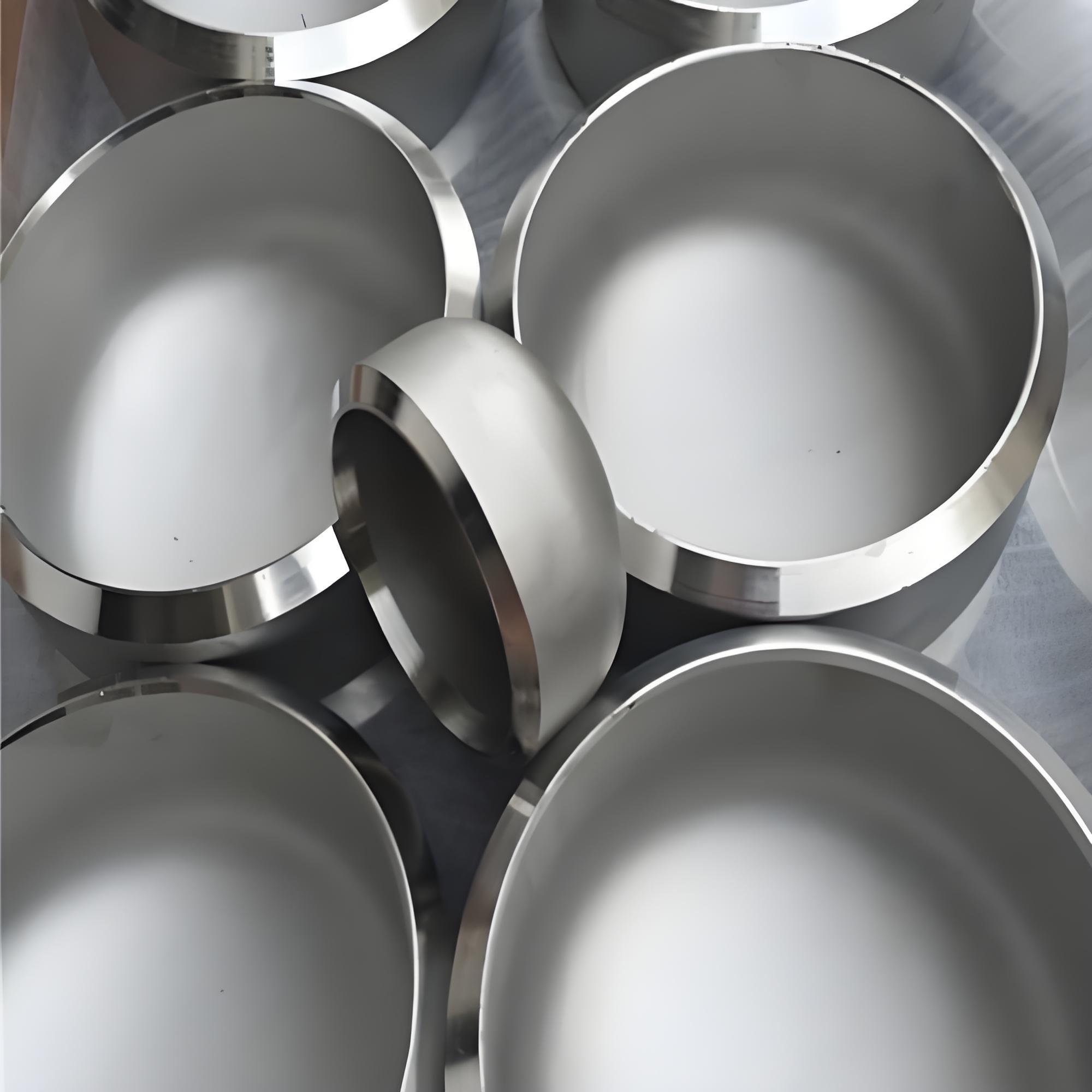
Russian standard pipe cap
Russian-standard pipe caps are a common fitting for closing the ends of Russian-standard pipeline systems. They comply with the GOST 17379-2001 standard for steel butt-welding pipe fittings and are used in conjunction with Russian-standard pipeline and flange systems such as GOST 17378 and GOST 17376. The products are used to close the end ports of pipelines, reserve spare pipe openings, and isolate the flow of media in pipelines, reducing impurity accumulation, medium leakage, and pipeline corrosion, and helping to maintain stable pressure in the pipeline system. Specifications adopt the Russian-standard DN nominal diameter system, covering DN15-DN1200, with wall thickness grades Sch10-Sch160 and pressure ratings PN10 to PN100. In terms of materials, carbon steel is mainly ST20, 09G2S low-temperature steel, and 16Mn; stainless steel is mainly 12X18H10T, 08X18H10, and 316L; and alloy steel can be adapted to special working conditions such as extreme cold and high pressure. Production processes include three types: integral hot-pressed seamless forming, steel plate rolled and welded forming, and forged precision-machined forming. We supply to customers such as engineering general contractors, EPC contractors, oil and gas energy developers, and cross-border B2B traders in Russian-speaking regions, and can confirm specific specifications, materials, and delivery arrangements according to project requirements.
Learn More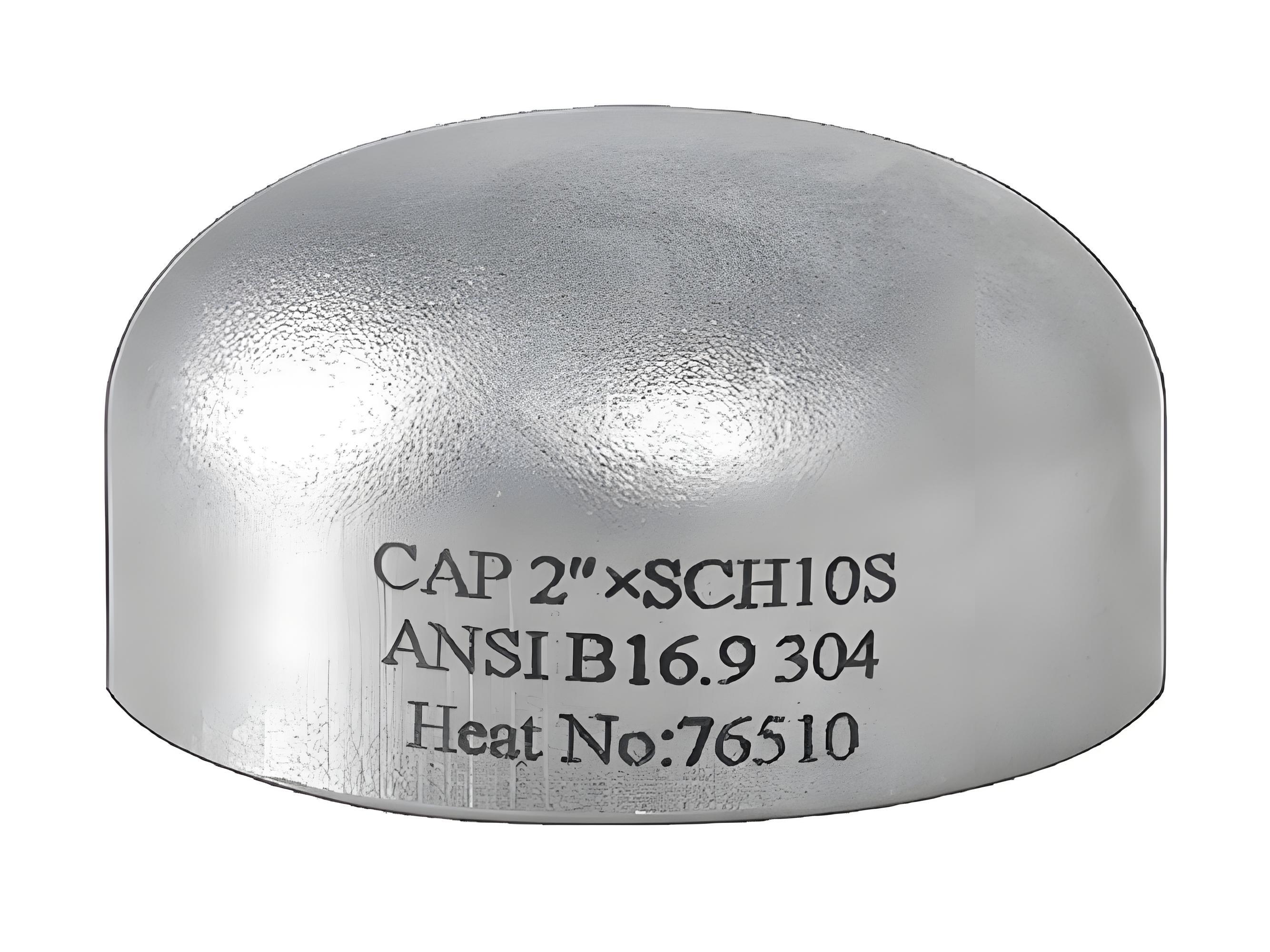
European standard pipe cap
European standard pipe caps are used to close EN standard pipeline ports, reserve spare connections, provide temporary sealing for pressure testing, and isolate pipeline media, preventing medium leakage, impurity deposition, and inner wall corrosion. The products are manufactured according to EN 10253-1, EN 10253-2, and EN 10253-4, and are divided into Type A reduced-pressure type and Type B full-pressure type, and can be matched and connected with EN standard steel pipes, flanges, elbows, and tees. The production processes include integral hot-pressed seamless forming, steel plate rolled and welded forming, and forged precision-machined forming. Nominal diameter DN15–DN1200, wall thickness covers SCH10–SCH160 and XXS, pressure rating PN10–PN100. Carbon steel working temperature -20°C to 480°C, stainless steel -196°C to 650°C. We can assist in confirming the model and grade according to the medium, temperature, corrosive environment, and pressure-bearing requirements.
Learn More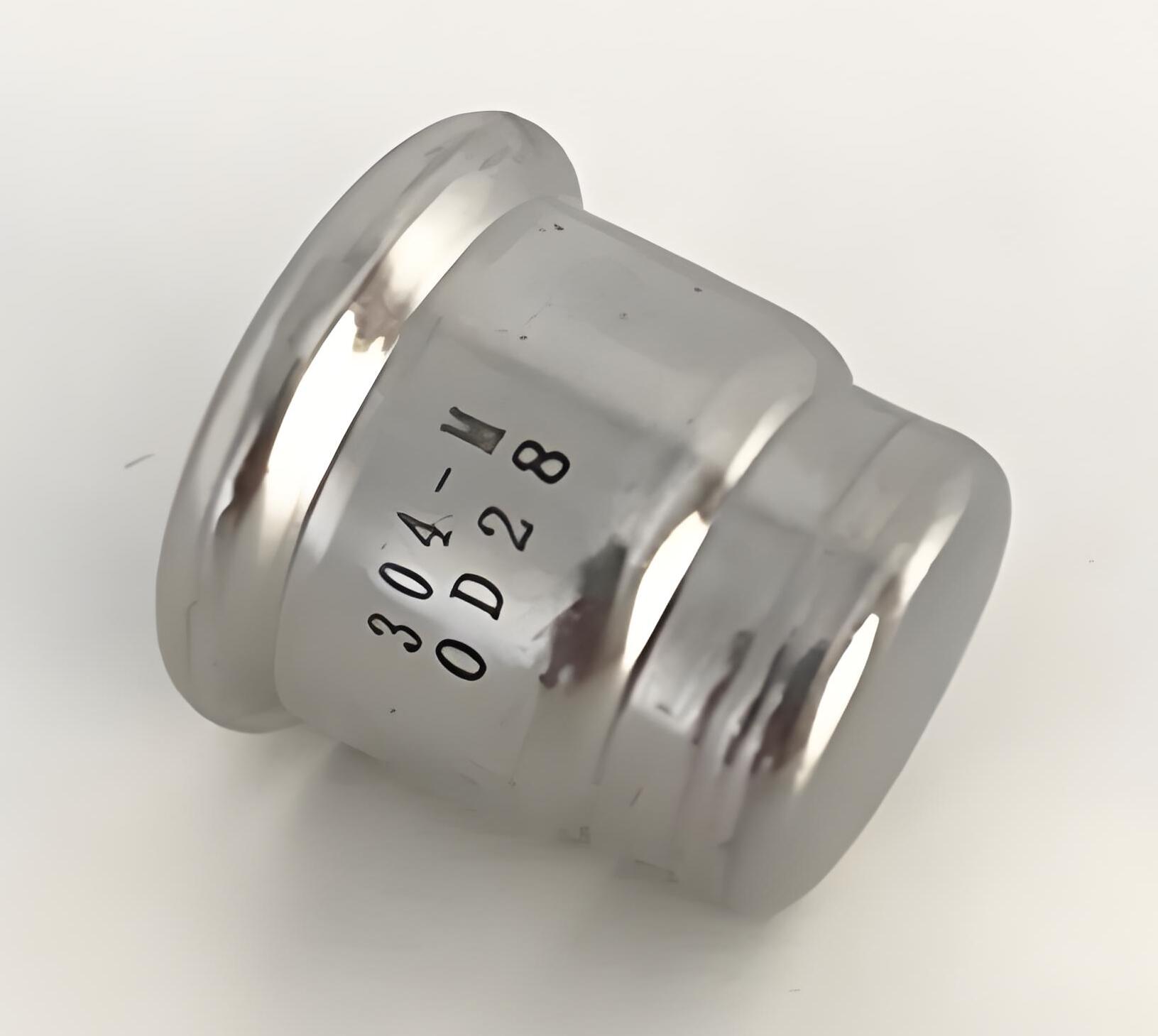
German standard pipe cap
German standard pipe caps are used to close pipeline ports, reserve spare nozzles, and provide temporary sealing during hydrostatic pressure testing, blocking the flow of media within the pipeline and preventing media leakage, impurity accumulation, and inner wall corrosion. The product is simultaneously compatible with the traditional DIN 2617 German standard and the current DIN EN 10253 German standard, and is divided into Type A reduced-pressure type and Type B full-pressure type, with nominal diameters covering DN15-DN1200, wall thicknesses including SCH10 to SCH160 and the XXS thickened series, and pressure ratings from PN10 to PN100. The materials adopt German standard grades: carbon steel includes ST35.8, ST52, and C22.8; stainless steel includes 1.4301, 1.4404, and 1.4571; alloy steel includes 13CrMo44 and 16Mo3. The production processes include integral hot-pressed seamless forming, steel plate rolled and welded forming, and forged precision finishing forming. We can assist in confirming the material, grade, and diameter configuration according to project operating conditions.
Learn More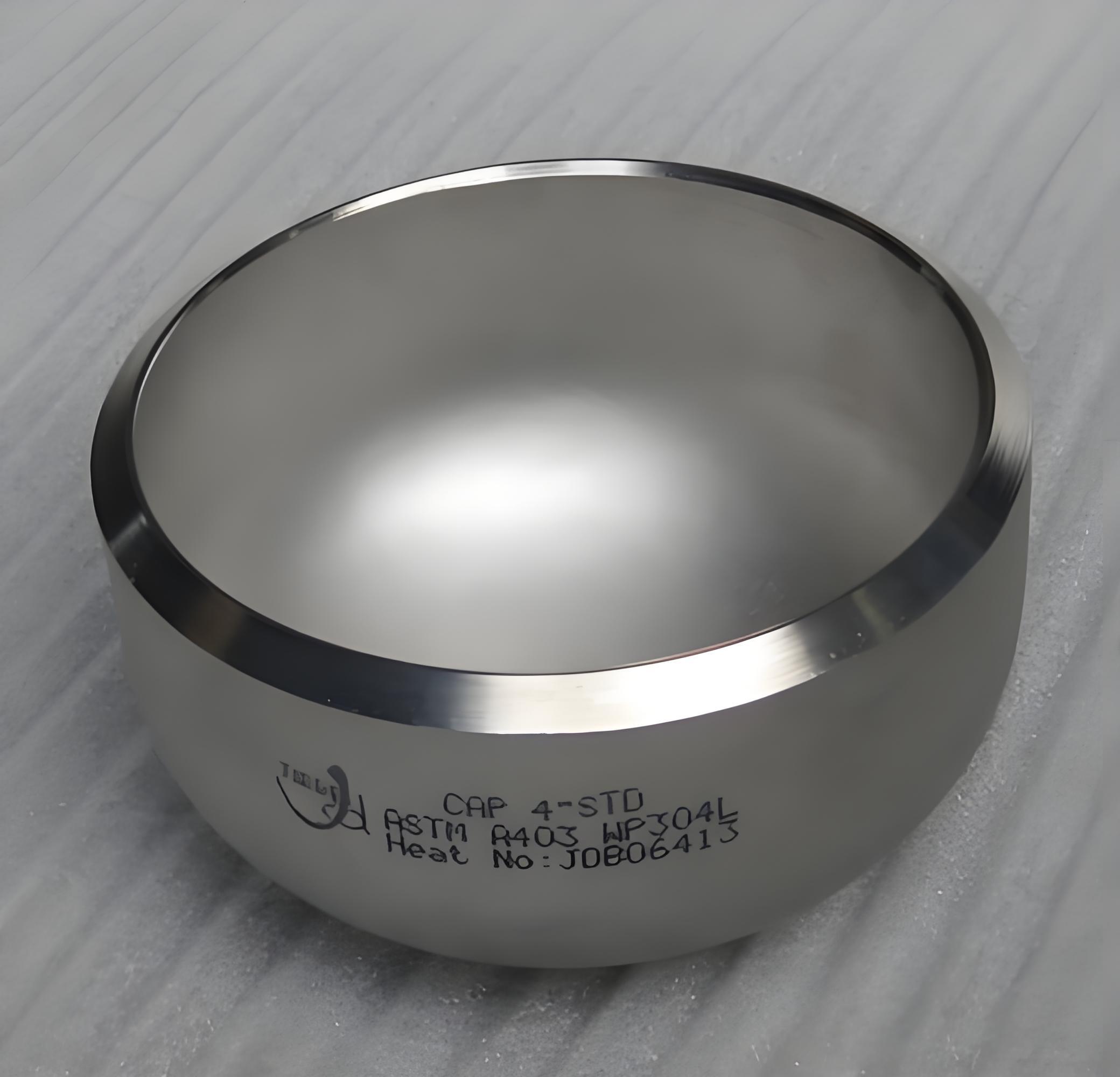
British Standard Pipe Cap
British standard pipe caps are used for end closure and temporary sealing of British standard piping systems, suitable for projects in the United Kingdom and the Commonwealth, Southeast Asia, the Middle East, Africa, and other regions that implement the BS system. The products are manufactured according to BS EN 10253-1/2/4, BS 3799, and BS 1740, and are available in both imperial inch sizes and metric DN specifications, making it convenient to mix old and new British standard pipelines and to renovate old overseas projects. Structurally, they are divided into Type A reduced-pressure type and Type B full-pressure type: the former is mostly used for low-pressure municipal, water supply and drainage, and HVAC networks, while the latter is used for high-pressure process pipelines in power stations, refining and chemical plants, oil and gas, and other industries. Forming processes include seamless hot pressing, steel plate rolling and welding, and forged finishing, covering SCH10-SCH160, XXS wall thicknesses, as well as PN10-PN100 and Class150-1500 pressure ratings. In terms of materials, carbon steel can withstand -20°C to 480°C, stainless steel can withstand -196°C to 650°C, and options such as heat-resistant alloy steel can be confirmed according to project requirements. Before purchasing, it is recommended to clarify the applicable standard, Type A or Type B grade, nominal diameter and inch size, wall thickness, pressure rating, material, and surface treatment requirements, and we will assist in confirming the model and quotation accordingly.
Learn More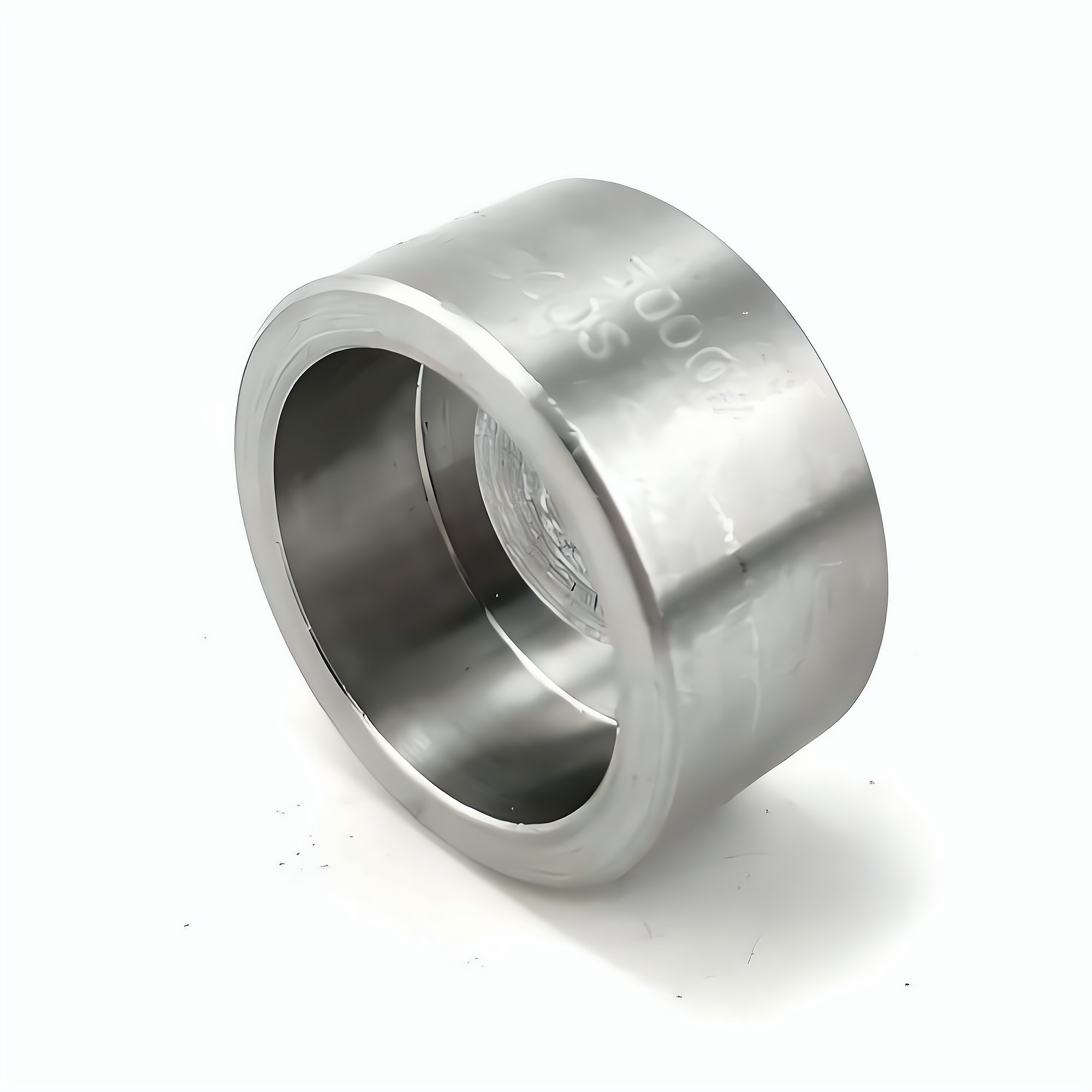
Japanese Standard Pipe Cap
The Japanese standard pipe caps we produce comply with JIS B2311, JIS B2312, and JIS B2313 standards, adopt the dual specification system of A nominal and B nominal, and are used for permanent sealing of pipe ends, sealing of spare pipe openings, partition isolation of pipe networks, and temporary sealing for hydrostatic pressure testing. Pressure ratings cover 5K, 10K, 20K, 30K, and 40K, specifications range from 15A to 1200A, and wall thicknesses cover SCH10 to SCH160 as well as the XXS thickened series. Materials include carbon steel SS400 and STPG370, stainless steel SUS304 and SUS316L, and heat-resistant steel STPA24 and STPA26. Production processes include seamless hot pressing, steel plate rolled and welded fabrication, and forged finishing. The products serve projects such as Japanese-system energy power stations, chemical refining, food and pharmaceutical, shipbuilding, HVAC and thermal power, and pressure vessels, and specific configurations can be confirmed and quoted according to project requirements.
Learn More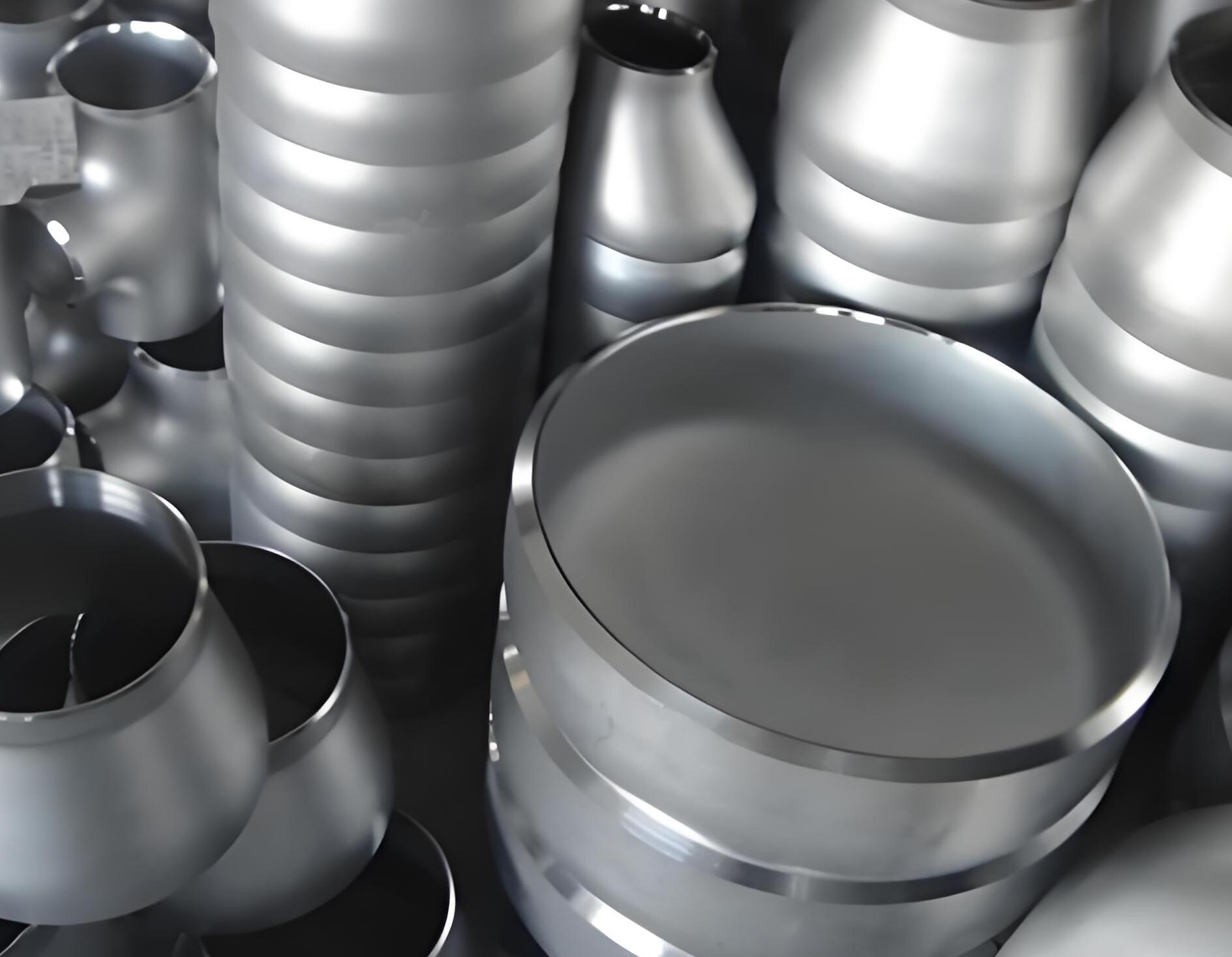
Non-standard pipe cap
Non-standard pipe caps are produced for pipe openings that standard pipe fittings cannot cover. When pipelines are of obsolete or discontinued specifications, mixed with multiple standards, equipment interfaces have irregular structures, or working conditions involve high pressure, low temperature, or strong corrosion, conventional pipe caps often cannot be installed or provide reliable sealing. We perform modeling and machining according to drawings, physical samples, or on-site measured dimensions provided by customers, and can customize structures such as eccentric diameters, non-standard arc heights, unequal-length straight edges, irregular transition surfaces, and thickened or thinned wall thickness. Materials cover systems such as carbon steel, stainless steel, duplex steel, heat-resistant steel, and low-temperature alloy steel. The products are used for permanent sealing of irregular pipe openings, plugging of spare ports, partition isolation of multi-system pipe networks, and temporary sealing for pressure testing. Before purchasing, it is recommended to clarify the medium, pressure and temperature, interface dimensions, and installation space. Please contact us to confirm the specific configuration and quotation.
Learn More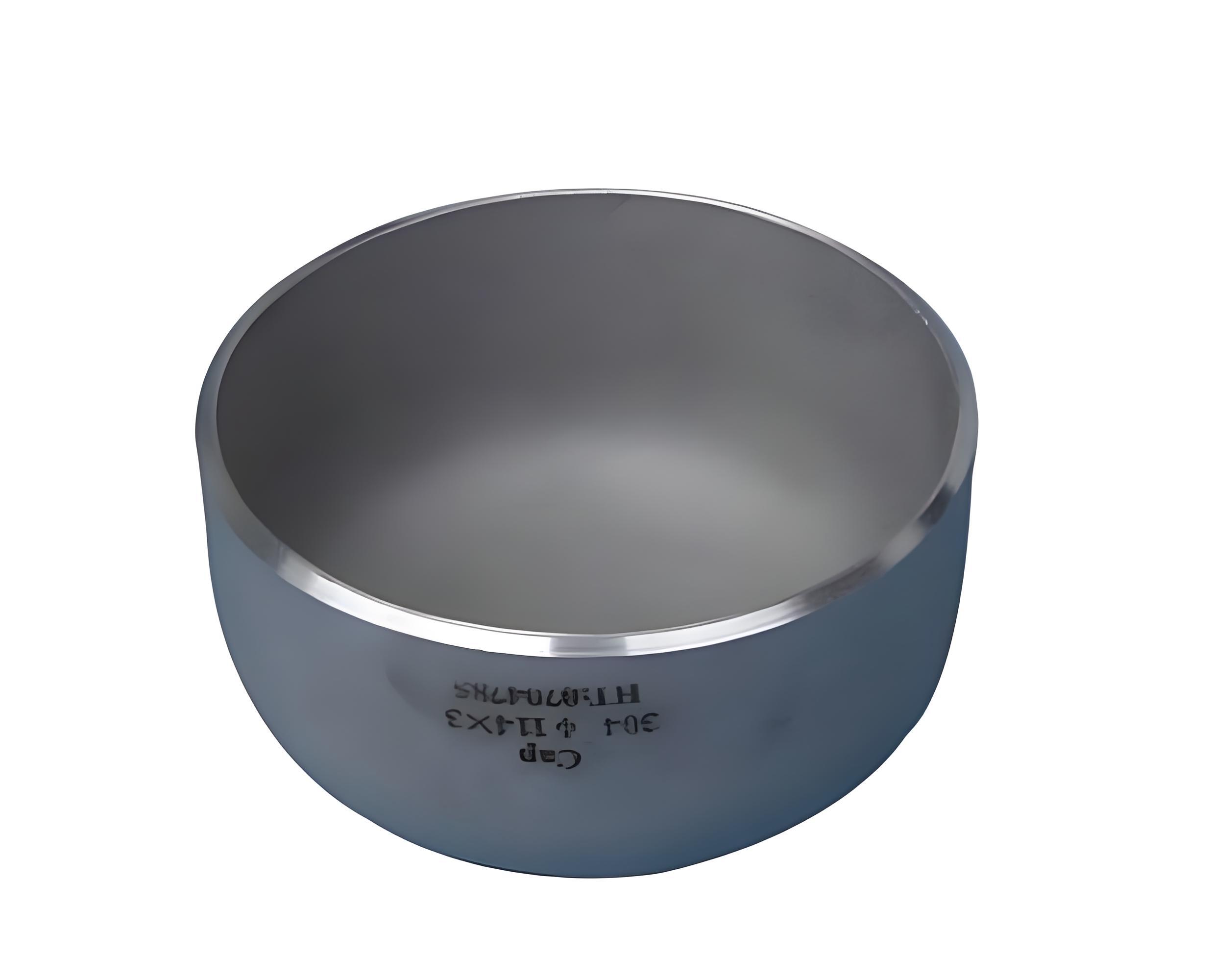
Carbon Steel Pipe Cap
Carbon steel pipe caps are the sealing and plugging fittings with a relatively large usage volume in industrial piping systems. The main body material is low-carbon carbon steel, and commonly used grades include 20#, Q235B, Q345B, ASTM A234 WPB, ST35.8, STPG370, etc. The products are formed by integral hot-pressed seamless molding, steel plate rolled and welded molding, or forged precision machining molding. The pipe wall is dense and uniform, and the sealing performance is stable. They can adapt to working conditions from atmospheric pressure to ultra-high pressure, and from normal temperature to medium-high temperature. Specifications cover DN15–DN2000 full bore, adapt to wall thickness grades such as SCH10, SCH40, SCH80, SCH160, XXS, as well as pressure grades PN10–PN100, Class150–1500, 5K–40K. The implemented standards include GB/T12459, ASME B16.9, DIN2617, EN10253, JIS B2312, GOST17379. We supply to EPC engineering general contractors, oil and gas chemical infrastructure contractors, thermal power construction units, municipal gas construction teams, pressure vessel manufacturers, cross-border B2B traders, and pipeline supporting procurement enterprises, supporting batch procurement of standard specifications and non-standard customization.
Learn More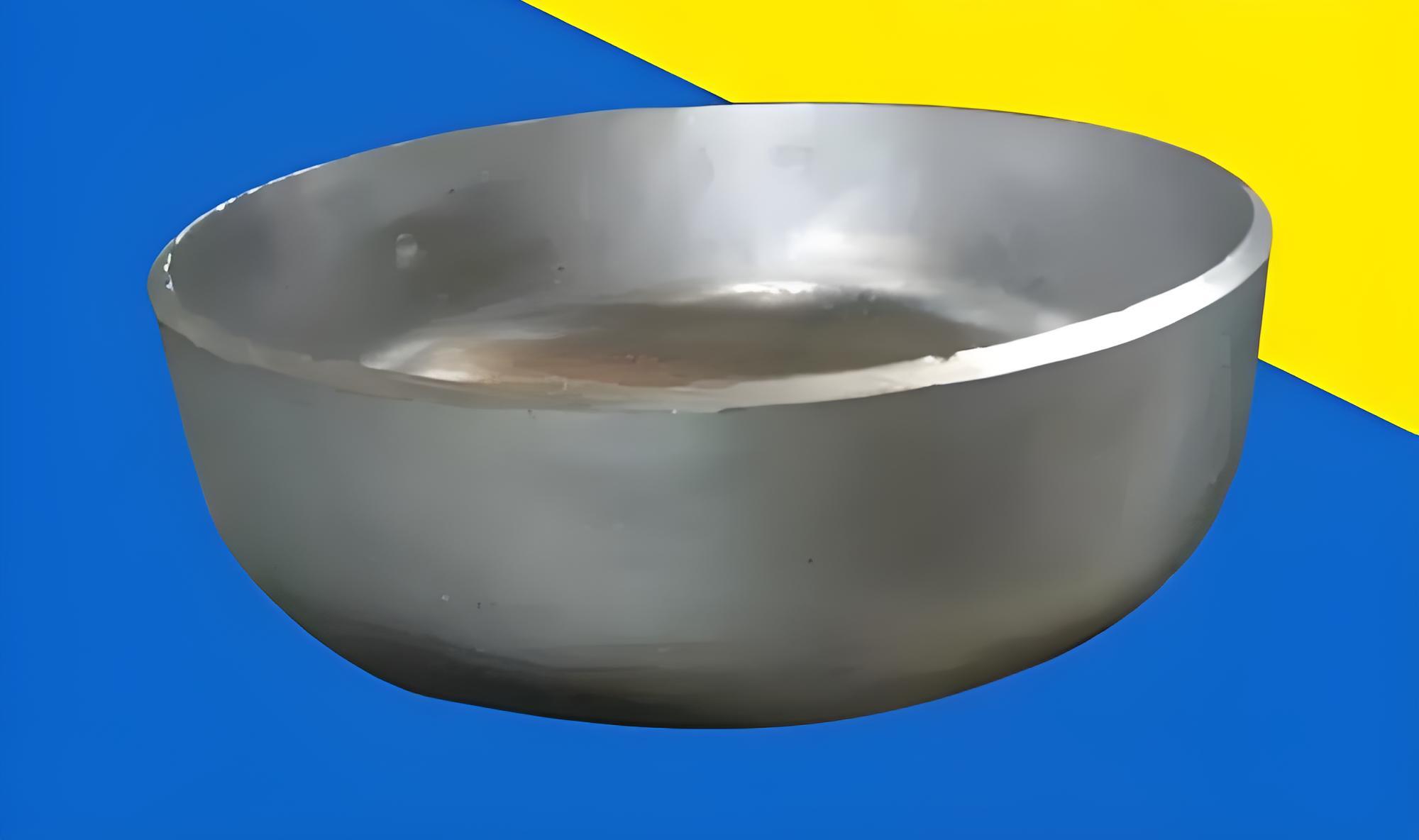
Low-temperature steel pipe cap
Low-temperature steel pipe caps are also called low-temperature heads or low-temperature pipe plugs. They are installed at the end of pipelines for closure, pressure test blind plugging, or isolation of spare pipe openings. Unlike ordinary carbon steel pipe caps, they use WPL6, 16MnDG, and Q345D/E low-temperature special base materials, and after stress relief heat treatment and low-temperature impact testing, they are not prone to cold brittle cracking under -46°C deep cryogenic working conditions. The products are manufactured according to ASME B16.9, GB/T12459, and ASTM A420 standards, covering DN15–DN1200, SCH20–XXS, Class150–Class900. Connection methods include butt welding, socket welding, and threading. Before leaving the factory, low-temperature impact testing, hydrostatic pressure testing, and non-destructive testing are performed, and material MTC, impact reports, and inspection reports are provided with the goods. Regular specifications have a minimum order quantity of 1 piece. Mainstream models of WPL6 and 16MnDG are in stock, and non-standard sizes, special wall thicknesses, and ultra-low-temperature process customization are also accepted.
Learn More