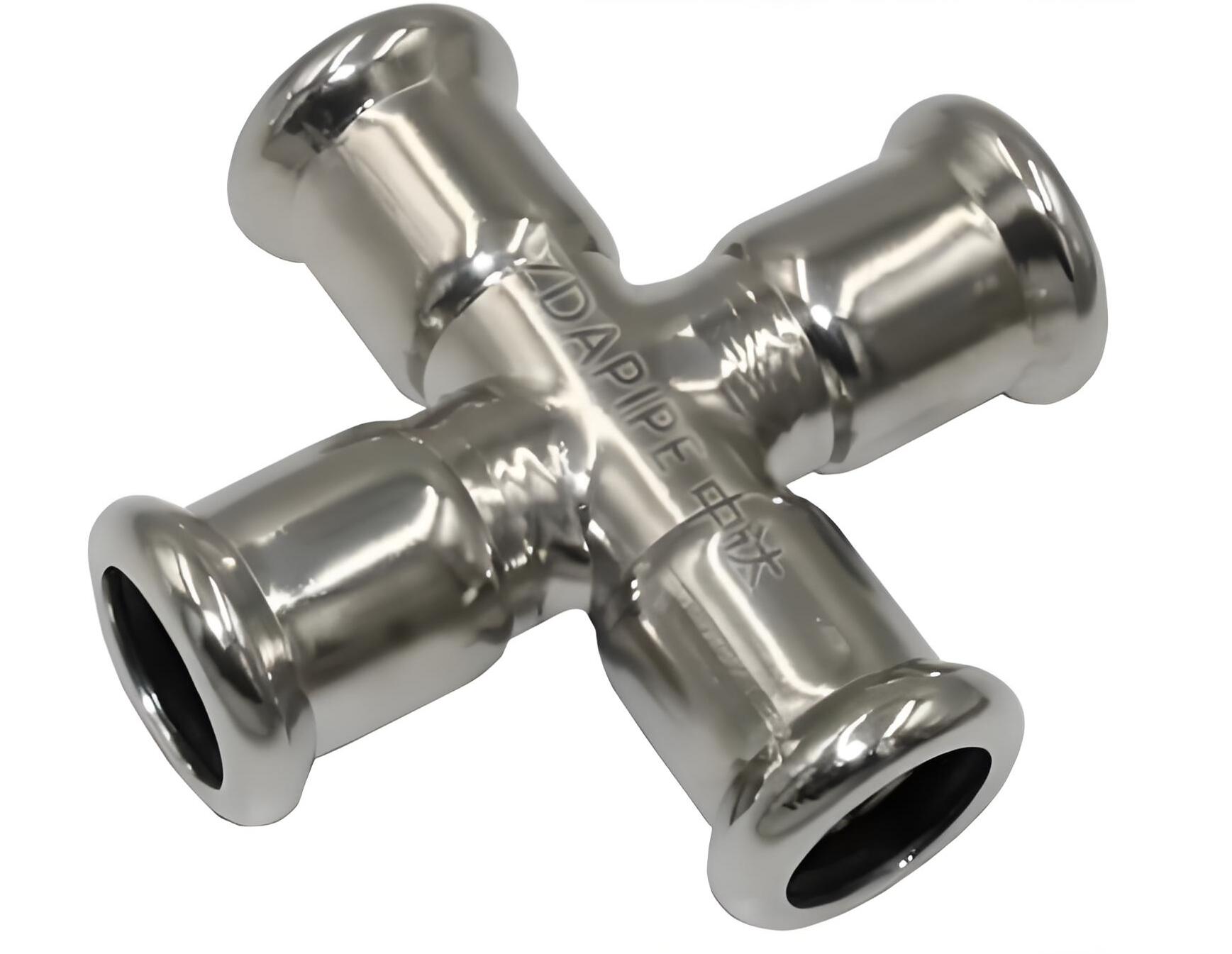
German standard four-way
German-standard four-way fittings belong to pipeline cross-node butt-welding pipe fittings, undertaking the diversion and convergence of four-way media. The products are manufactured according to the German industrial pipe fitting standards DIN2615 and DIN2605, with outer diameter, center height, bevel form, and wall thickness tolerances following the German DIN system. Although the old DIN standards have been replaced by the European standard EN10253, there are still a large number of existing DIN pipelines, old installations, and German-system complete equipment in Germany, Austria, Switzerland, as well as the Middle East and Africa that use German-standard four-way fittings, and such projects usually cannot be directly replaced with ordinary European-standard pipe fittings. In terms of specifications, they cover DN15–DN1200; small diameters are formed by seamless hot extrusion, while large diameters are made by rolled and welded steel plate; materials include carbon steel St37.0 and St52, alloy steel 13CrMo44, as well as German-standard stainless steel 1.4301 and 1.4571. Pressure ratings are PN10–PN160, divided into reduced-pressure type and full-pressure type. Hydraulic testing and UT/RT non-destructive testing can be carried out as needed, and EN10204-3.1B material certificates can be issued.
Learn More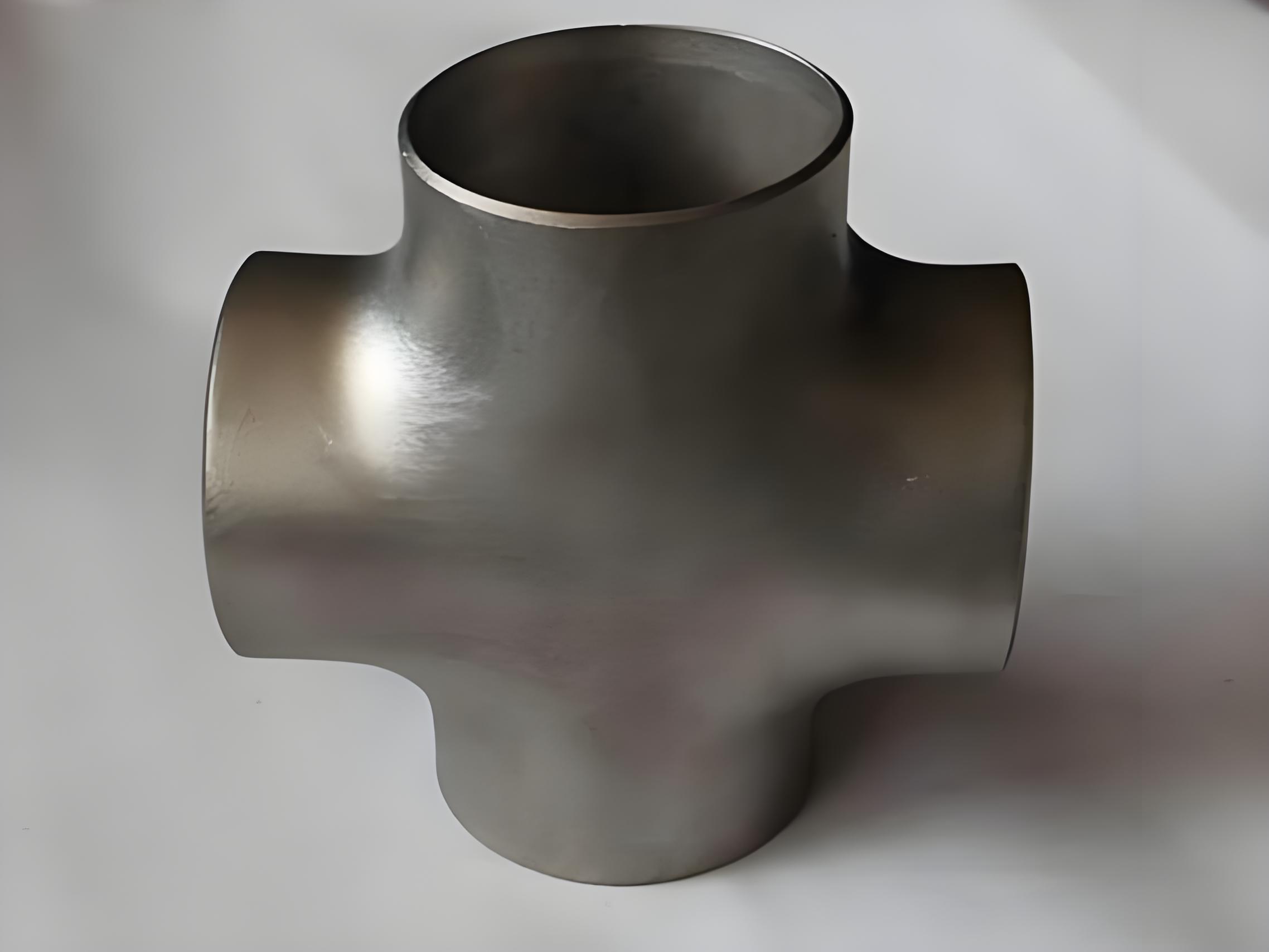
British Standard Four-Way
British standard four-way fittings are used at cross nodes in British imperial pressure piping systems, handling four-way diversion and convergence. Equal-diameter four-way fittings are suitable for symmetrical diversion from the main pipe, while reducing four-way fittings are suitable for reducing from the main pipe to smaller-diameter branch pipes. Products are manufactured according to BS EN10253 and BS3799, with British imperial pipe diameters, wall thicknesses, threads, and pressure ratings benchmarked against original British factory specifications. Small and medium diameters use seamless hot-pressed one-piece forming, while large diameters use rolled and welded construction with UT/RT non-destructive testing. Materials cover S235JR, A105 carbon steel, 304/316L stainless steel, 13CrMo44 alloy steel, and hot-dip galvanized malleable cast iron. We supply municipal general contractors, water and gas utilities, oil and gas construction, and cross-border traders in Commonwealth markets such as the United Kingdom, Australia, Southeast Asia, Africa, and the Middle East, and support drawing customization and replication of old parts. Please contact us to confirm specific specifications and prices.
Learn More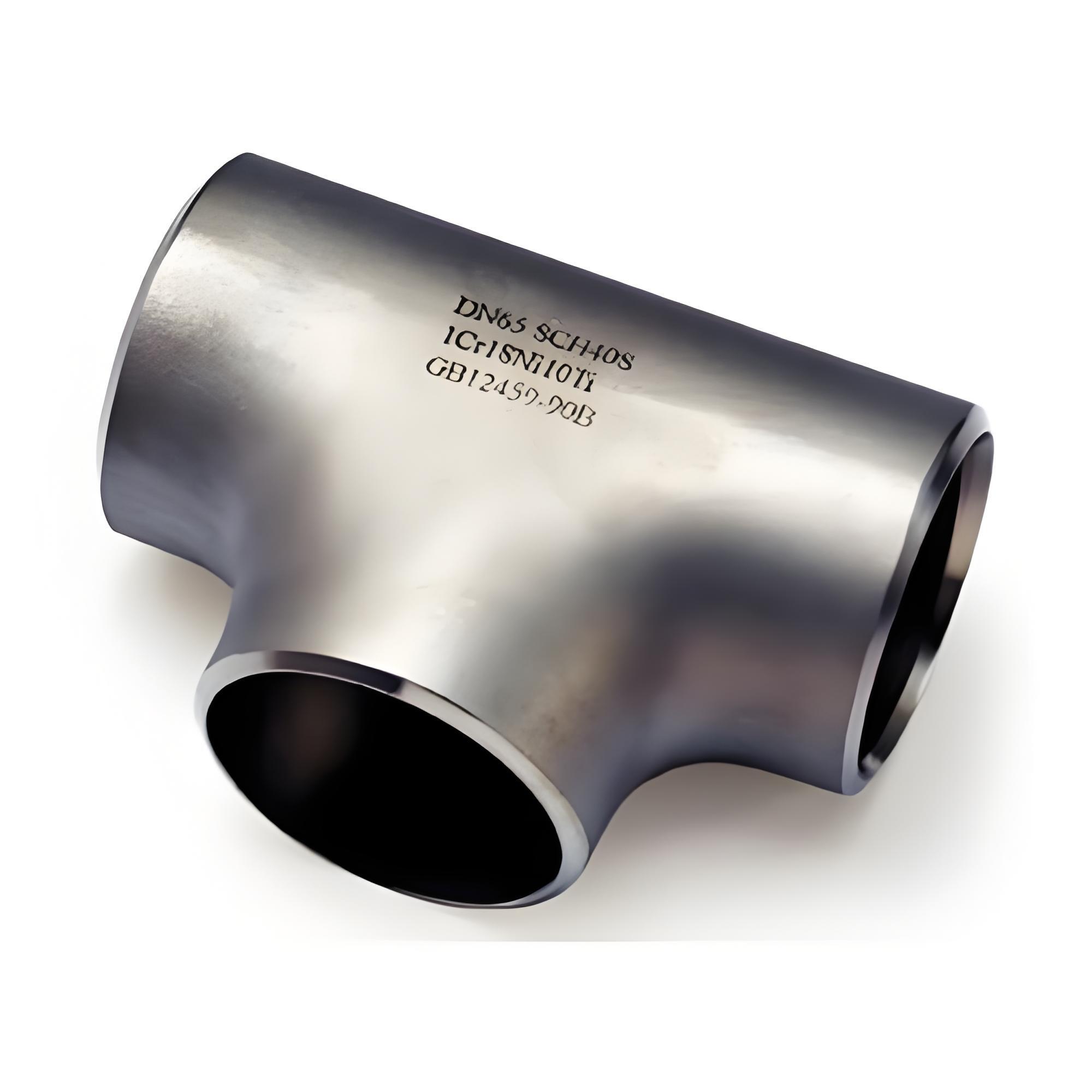
Japanese Standard Four-Way
Japanese standard crosses are used for cross-node connections in JIS Japanese-style pressure piping systems, completing the diversion or convergence of four-way media. The products are manufactured according to JIS B2312 butt-welding pipe fittings, JIS B2316 socket-welding pipe fittings, and JIS B2309 threaded pipe fittings standards. Dimensional tolerances, bevels, and wall thicknesses comply with JIS specifications, and they are suitable for Japanese-style outside diameter system pipes and cannot be directly interchanged with national standard or American standard pipe fittings. Connection forms include three types: butt welding, socket welding, and threading. Nominal diameters range from DN15 to DN1000, and pressure ratings are Japanese-style K classes: 5K, 10K, 16K, 20K, 30K, 40K. Materials include carbon steel SS400, SGP, stainless steel SUS304, SUS316L, alloy steel STPA22, and other Japanese standard grades. In terms of process, small and medium diameters use seamless hot pressing or forging, while large diameters use rolled welding. They can transport water, steam, gas, compressed air, and chemical fluids, and are suitable for new construction, renovation, and replacement of old pipelines in Japanese-style projects. Equal-diameter crosses are used for symmetrical diversion in main pipe networks, and reducing crosses are used for reducing diversion between main pipes and branch pipes of multiple specifications. Both stock and custom orders are available. Please contact us to confirm specific specifications and quantities.
Learn More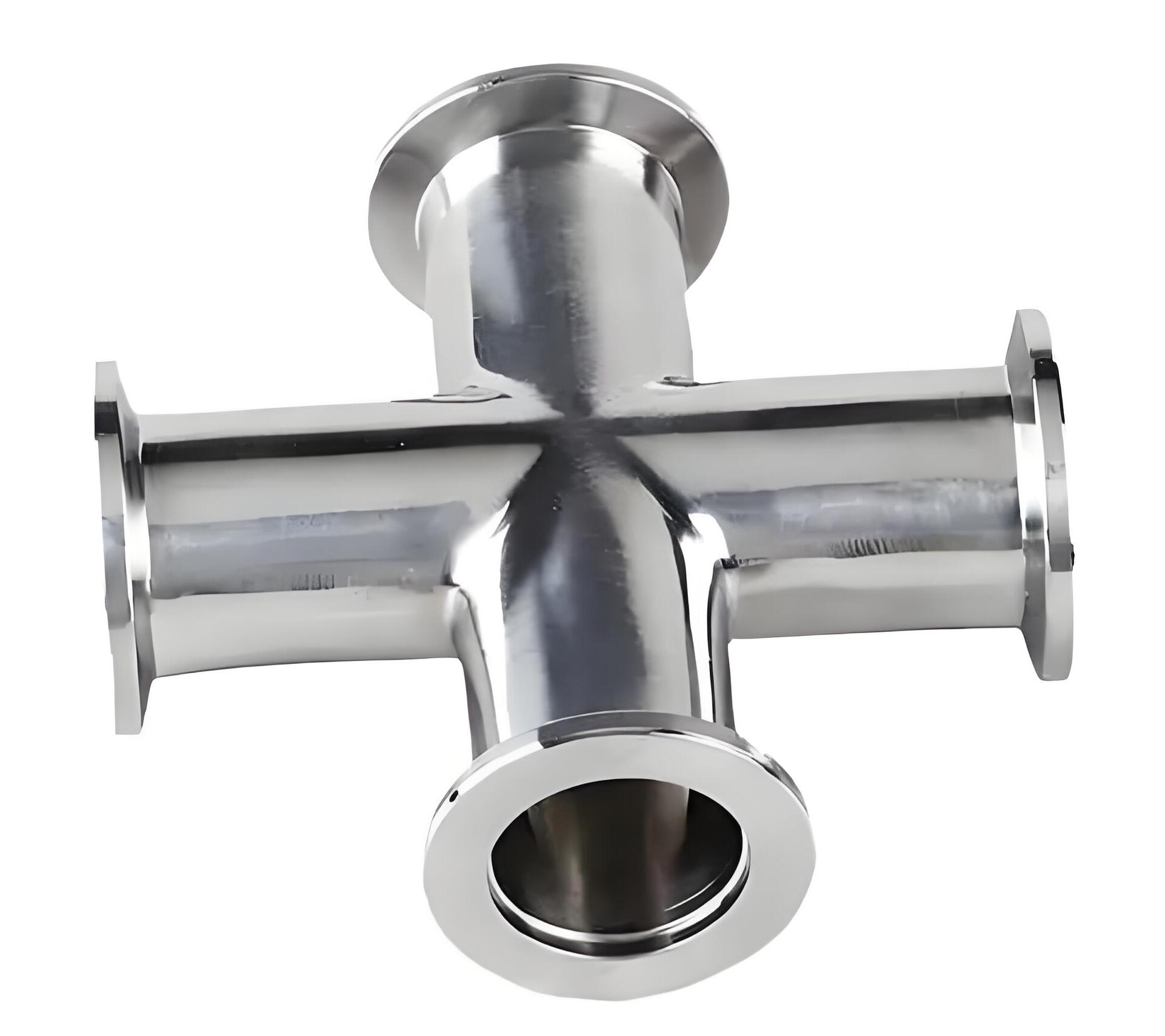
Non-standard four-way
When the on-site pipeline dimensions do not match the general standard, or the imported equipment interface is irregular, the old pipeline network dimensions are non-standard, or the installation space is limited, standard crosses often cannot be installed directly. We provide one-to-one customized structure, diameter, angle, wall thickness, and pipe length based on CAD drawings, PDF drawings, on-site samples, or measured dimensions provided by the customer. Diameters cover DN6 to DN4000, supporting non-90° inclination, eccentric misalignment, multi-stage composite reducing, and lengthened or shortened straight pipe sections. Materials cover carbon steel, stainless steel, alloy steel, duplex steel, low-temperature steel, nickel-based alloy, copper-nickel alloy, and high-manganese wear-resistant steel. Production processes include integral forging, seamless hot pushing, CNC plate welding, precision machining, and special-shaped casting, matched according to structural complexity and working conditions. The minimum order quantity is 1 piece, suitable for engineering replacement parts, single-point replacement, and single-piece equipment matching.
Learn More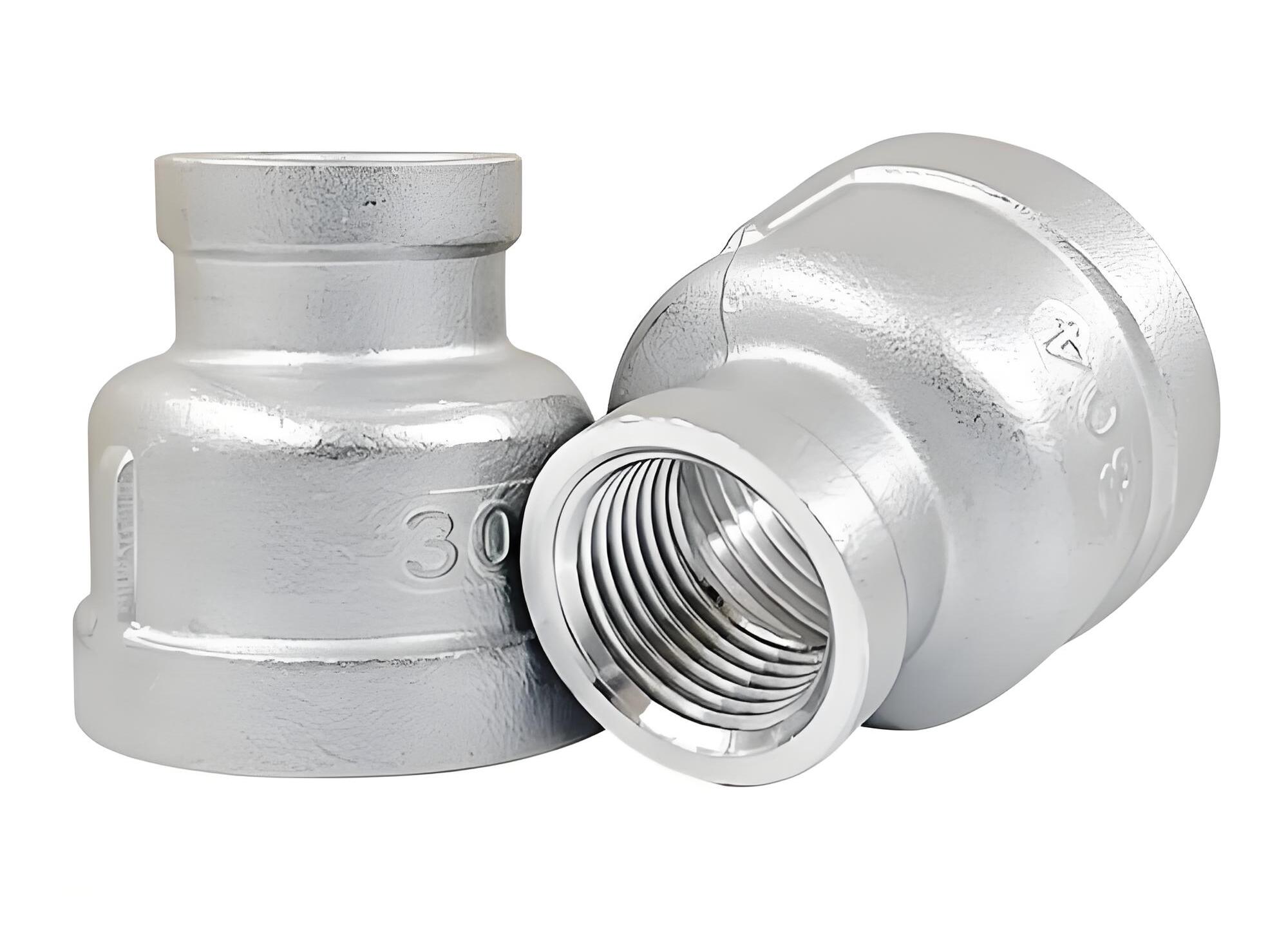
Cast Reducing Pipe
Cast reducing pipes belong to heavy-duty wear-resistant industrial reducing pipe fittings. Unlike conventional stamped or push-formed reducing pipes, the product is integrally cast and formed, with no spliced welds, and the wall thickness can be thickened according to working conditions, with a dense structure, resistance to erosion, wear resistance, and resistance to negative pressure deformation. The product is divided into two structures: concentric and eccentric. Concentric is used for vertical pipelines and uniform pressure conveyance, while eccentric is used for horizontal pipelines and can reduce gas accumulation, liquid accumulation, and sediment accumulation. The nominal diameter covers DN20 to DN1200, and supports national standard, American standard, European standard, German standard, Russian standard, and Japanese standard external dimensions. It can also produce non-standard thickened, non-standard drop, and extended sections according to drawings. Materials include gray cast iron, ductile iron, cast steel WCB, precision-cast stainless steel, and duplex steel castings. We serve B2B customers such as overseas dust removal and environmental protection engineering general contractors, mining pipeline construction units, cement plant supporting equipment suppliers, and power plant thermal pipe network contractors, providing selection confirmation, custom production, and cross-border delivery support.
Learn More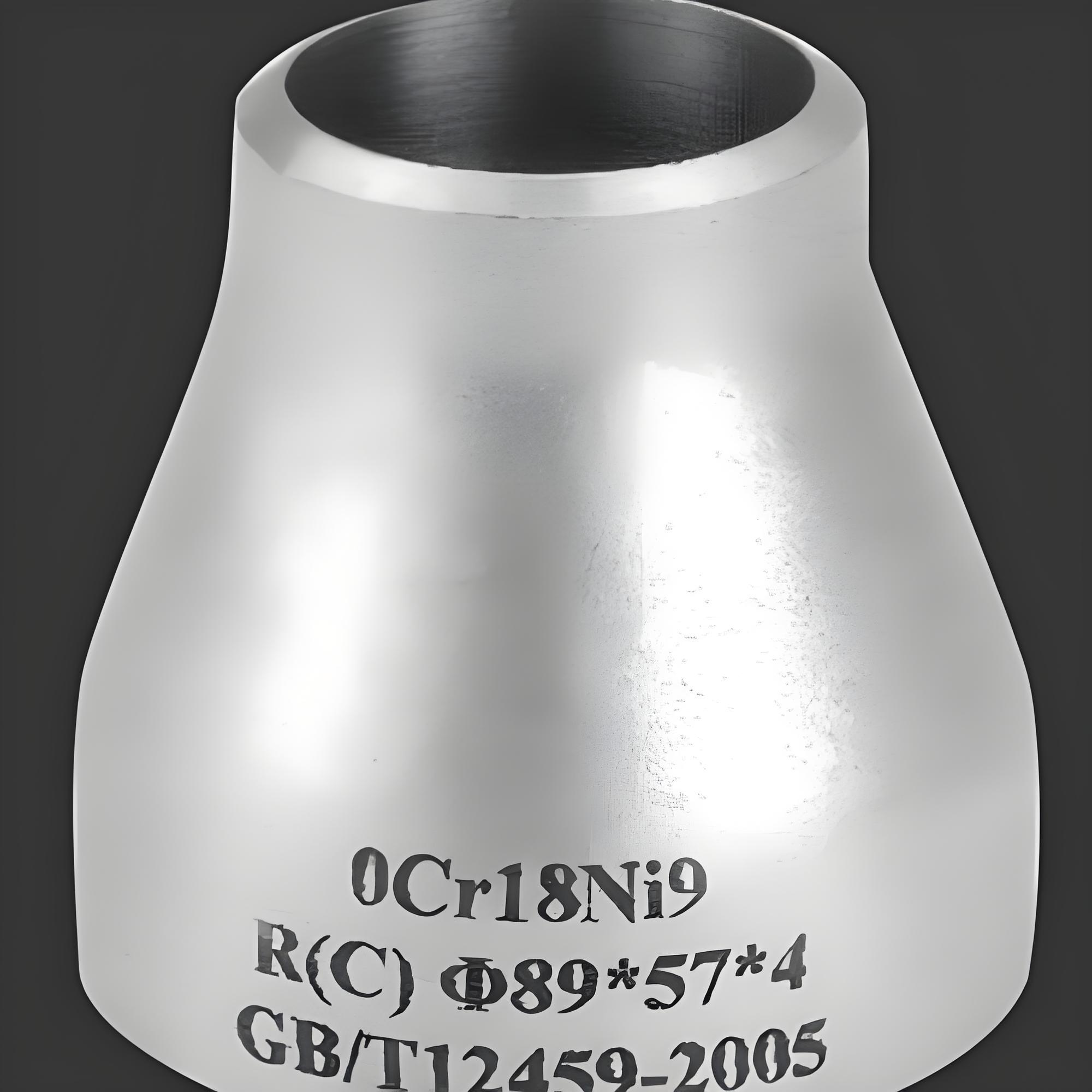
Carbon Steel Reducer
Carbon steel reducers, also called carbon steel size reducers, are used in piping systems to connect pipe sections of different nominal diameters, achieving pipe diameter enlargement or reduction, while also adjusting medium flow velocity, balancing pipeline pressure, and reducing fluid turbulence impact. The products cover DN15–DN2000 and include two basic structures: concentric reducers and eccentric reducers. They can be produced according to multiple national standards such as the Chinese national standard GB, the American standard ANSI/ASME, the European standard EN, the German standard DIN, the Russian standard GOST, and the Japanese standard JIS, and also support customization of non-standard reducing dimensions, wall thickness, and straight pipe sections. Commonly used materials include 20#, Q235B, 16Mn, and Q345B carbon steel. Applicable media include water, compressed air, natural gas, steam, oil products, etc., and they are widely used in ordinary and medium-to-high pressure industrial pipelines in petroleum, chemical, electric power, heating, gas, municipal water supply and drainage, and other fields. The products have good toughness, excellent welding performance, and moderate cost, and can undergo surface treatments such as sandblasting, rust removal, anti-rust paint, and galvanizing.
Learn More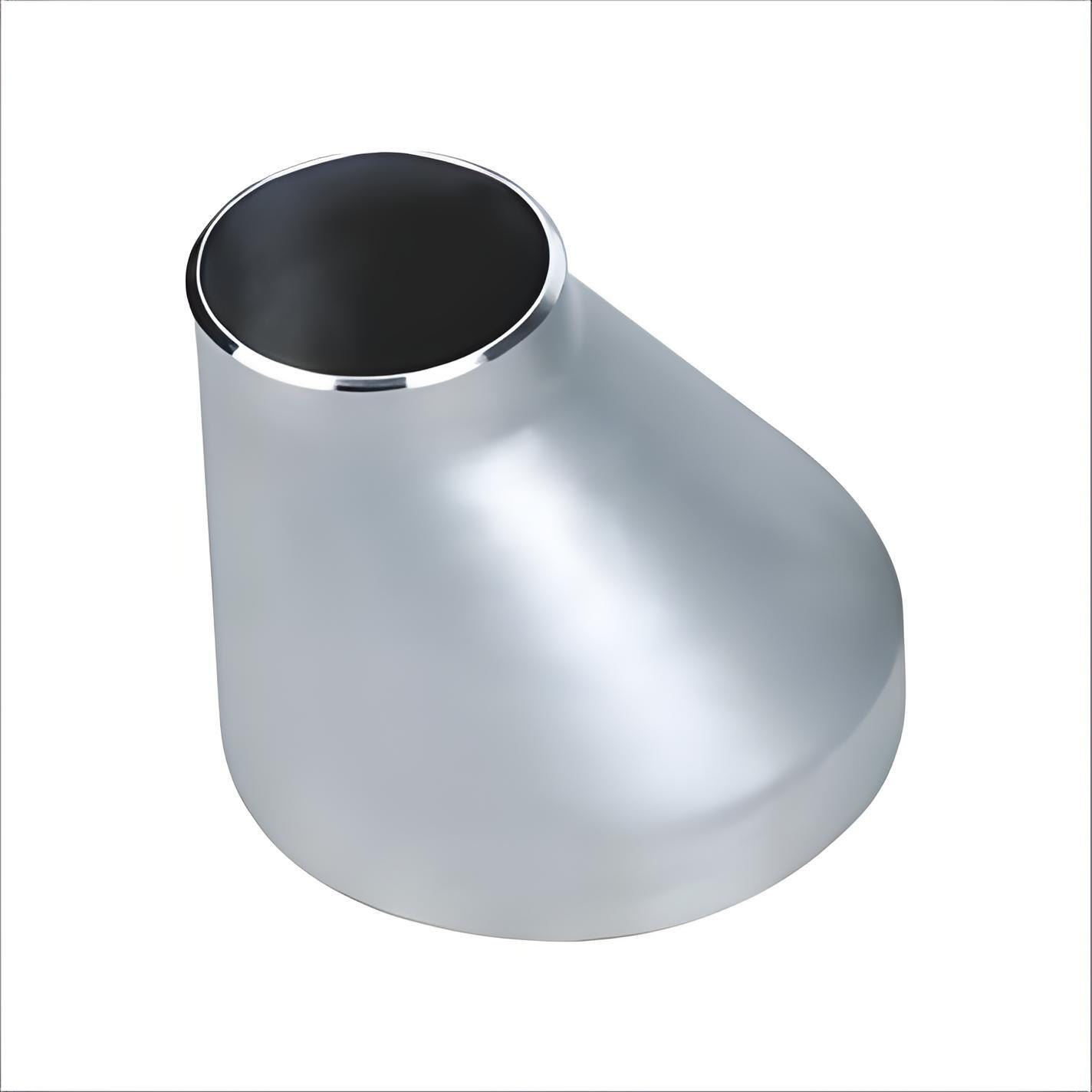
Stainless Steel Reducer
Stainless steel reducers are core pipe fittings in piping systems that achieve pipe diameter transition, mainly formed by cold-push seamless, steel plate roll-welding, and precision casting processes, with chromium-nickel stainless steel as the raw material. Their function is to connect pipes of different nominal diameters, regulate the flow velocity and pressure of the medium in the pipeline, and reduce fluid turbulence impact and pipeline vibration. The products are divided into two basic types: concentric reducers and eccentric reducers: the concentric type is suitable for vertical pipes, vertical equipment interfaces, and main process pipeline diameter reduction, with the medium transported centered and smoothly; the eccentric type is used for horizontal pipeline laying, keeping one side flush, preventing gas accumulation, liquid accumulation, and sediment buildup in horizontal pipelines. The nominal diameter covers DN15~DN2000, and they can be produced according to the national standard GB, American standard ASME B16.9, European standard EN, German standard DIN, Russian standard GOST, and Japanese standard JIS, and also support non-standard customization. Commonly used materials include 304, 304L, 316, 316L, 321, and 2205 duplex stainless steel. They undergo pickling and passivation before leaving the factory, and can be mirror-polished on demand. If you are selecting models for corrosive, clean, or high-temperature working conditions, welcome to contact us to confirm the material, diameter, and structural solution.
Learn More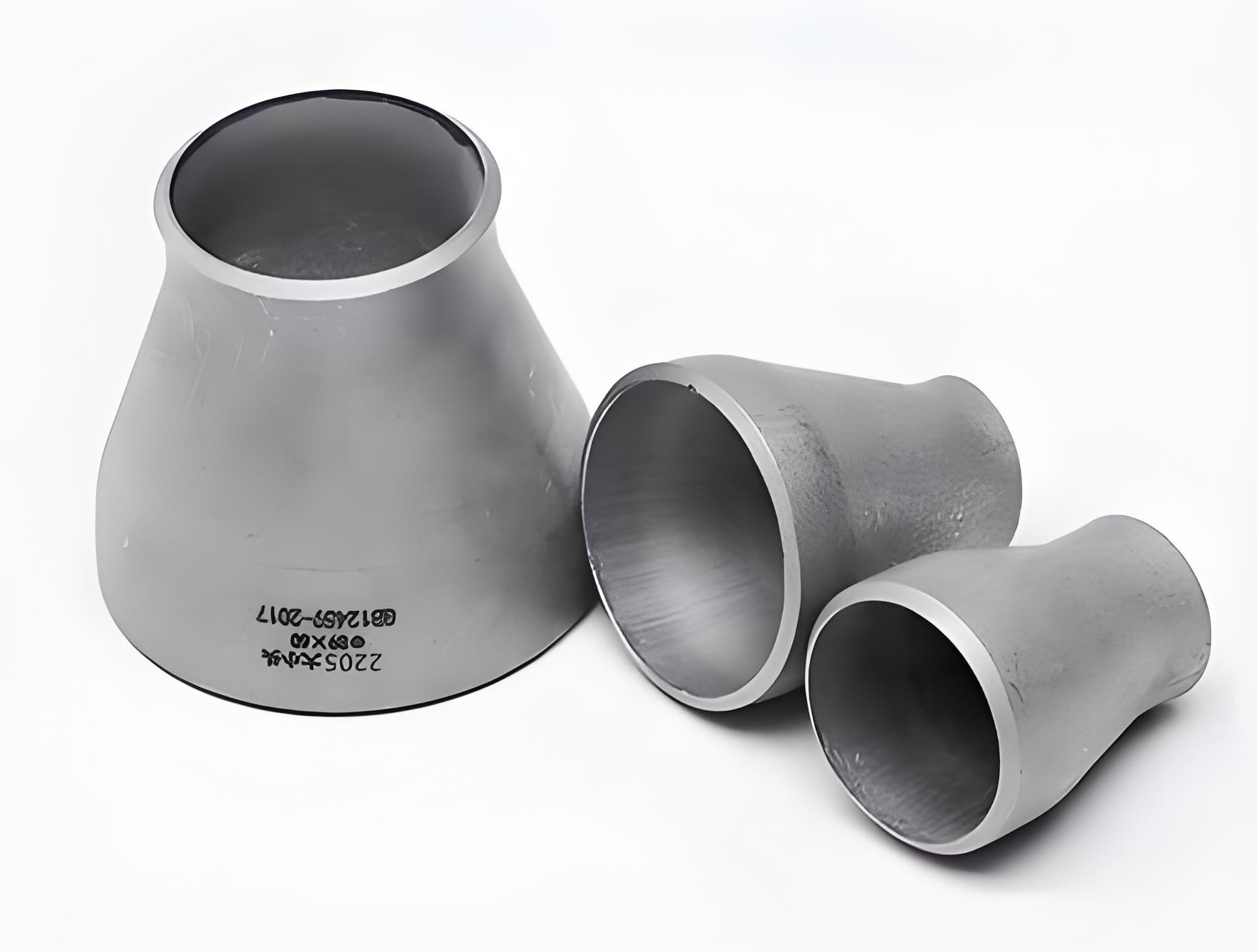
Alloy Steel Reducer
Alloy steel reducers, also known as alloy large-and-small heads, are variable-diameter pipe fittings used in industrial piping systems to connect pipes of different diameters, and are divided into two structures: concentric and eccentric. Concentric reducers are mostly used for vertical pipes and vertical equipment connections, with the medium conveyed in the center; eccentric reducers are used for horizontal pipes, with one side's generatrix flush, helping to reduce gas and liquid accumulation in horizontal pipelines. The product's nominal diameter covers DN15–DN2000, and it is produced in accordance with ASME B16.9, GB/T12459, DIN, EN, GOST, and JIS standards, adapting to SCH40, SCH80, SCH160, and XXS wall thickness grades. Mainstream materials include heat-resistant and high-pressure alloy grades such as 15CrMo, 12Cr1MoV, Cr5Mo, P11, P12, P22, P91, and 16Mn/Q345B. Compared with carbon steel reducers, alloy steel materials have better creep resistance and thermal fatigue resistance under high-temperature and high-pressure environments; compared with stainless steel reducers, they focus more on high-temperature heat resistance and high-pressure load bearing. The products are aimed at pipeline new construction and renovation projects in fields such as thermal power and cogeneration, petrochemical refining, and boiler heating. For specific specifications, materials, and quantity requirements, please contact us to confirm.
Learn More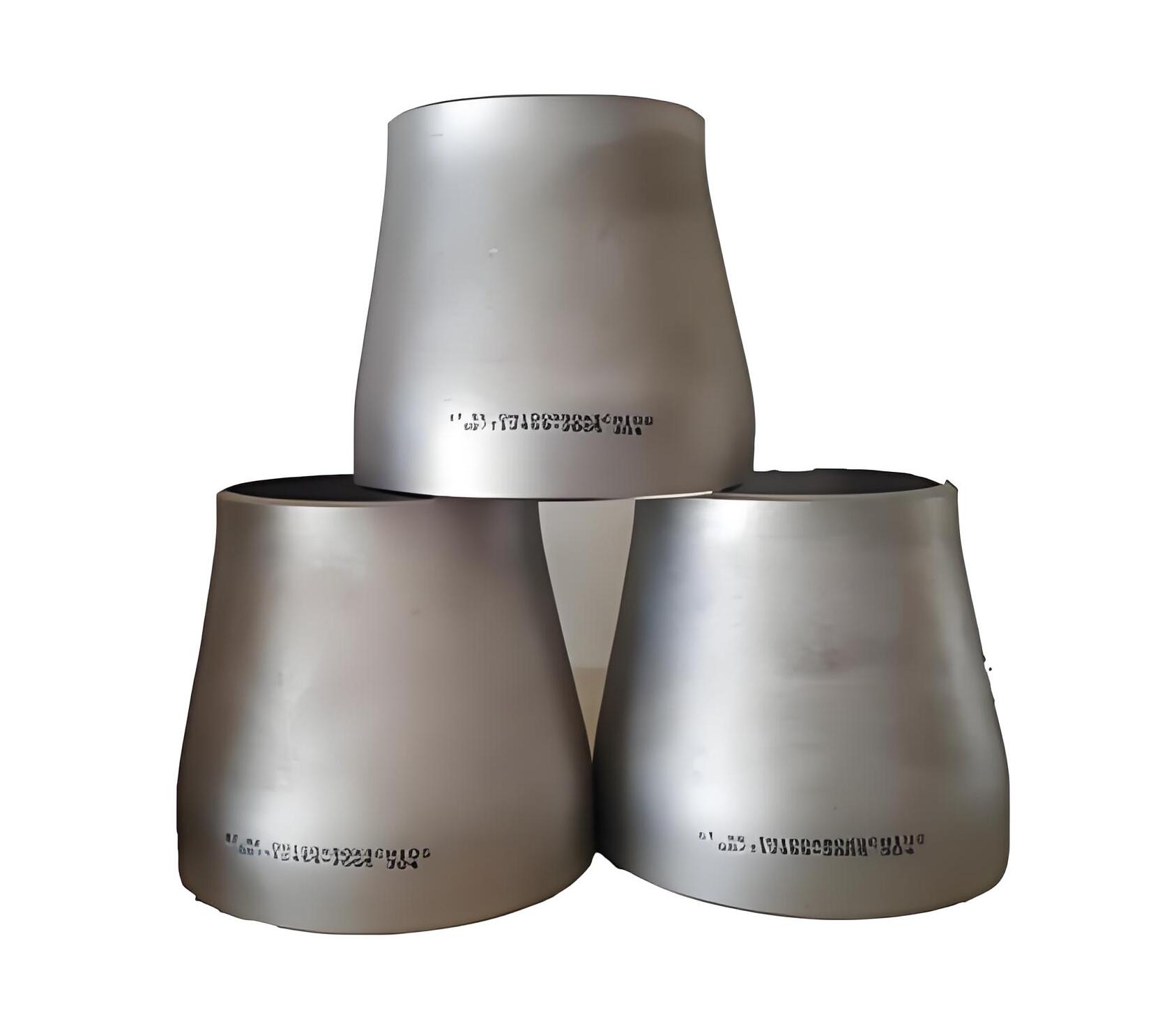
Duplex stainless steel reducer
Duplex steel reducers are used for smooth diameter transition between pipes of different diameters, regulating medium flow velocity, flow rate, and pipeline pressure, reducing turbulent impact of highly corrosive fluids and local sediment accumulation. Products are divided into concentric reducers and eccentric reducers: the concentric type is suitable for vertical pipelines and vertical equipment interfaces, with the medium conveyed in the center; the eccentric type is suitable for horizontal liquid-phase pipelines, with one side's generatrix flush, which can reduce gas and liquid accumulation and chloride ion deposition. Diameters cover DN15~DN1200, mainstream materials are 2205 (S32205/F51) duplex steel and 2507 (S32750/F53) super duplex steel, can be produced according to ASME B16.9, ASTM A815, GB/T12459, EN, DIN, GOST, JIS and other standards, and supports non-standard customization. Forming processes include seamless cold pushing, CNC roll welding, and precision forging, factory delivery undergoes pickling and passivation, and internal and external mirror polishing can be done on demand.
Learn More