
Blog

Explore industry insights, practical guides, and curated perspectives here—keep getting valuable content.

Home 博客中心

Blog

Blog

Interpretation of American Standard Carbon Steel Materials for Pipeline Fittings in Foreign Trade
Popular

Interpretation of American Standard Carbon Steel Materials for Pipeline Fittings in Foreign Trade

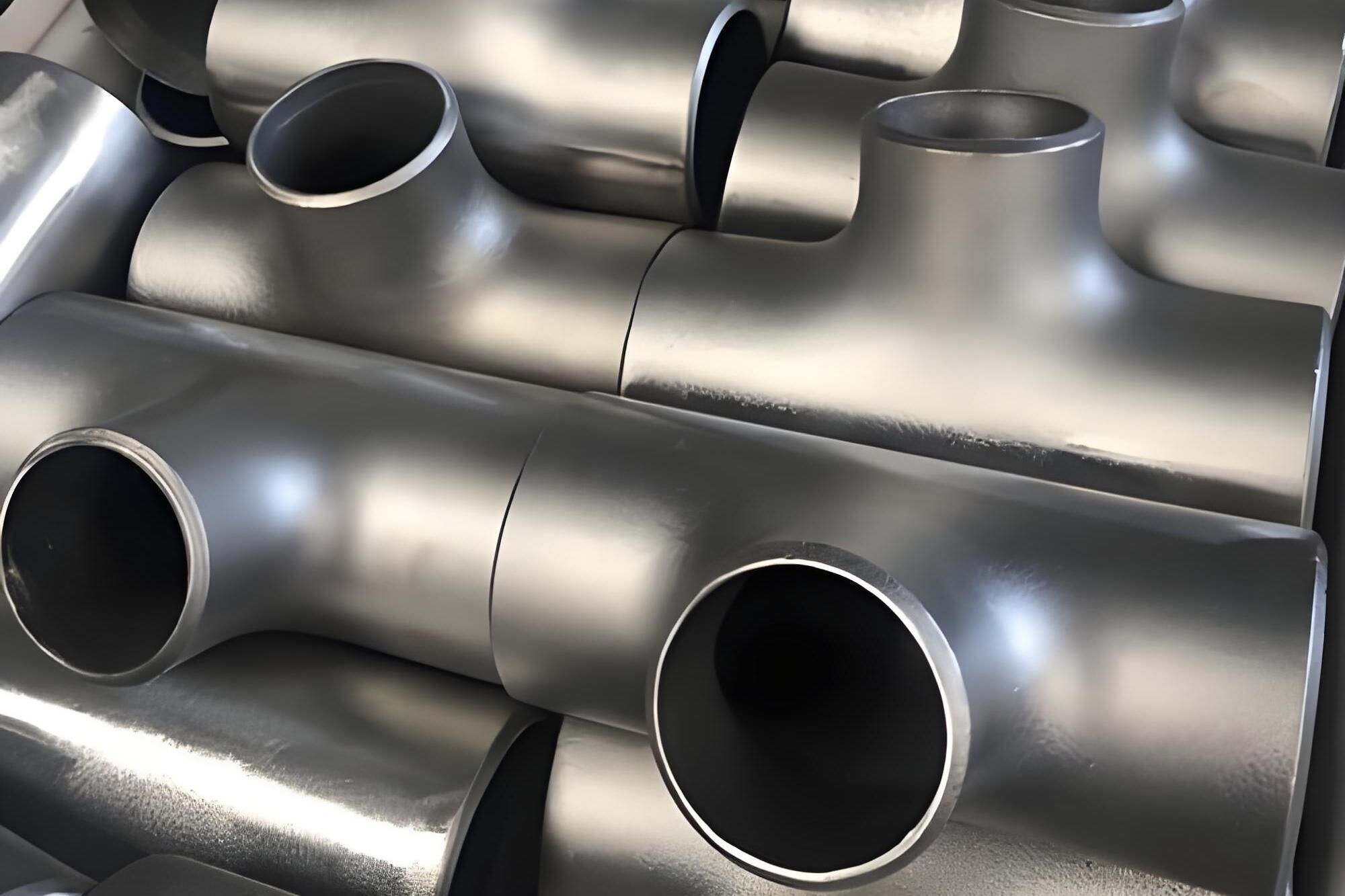
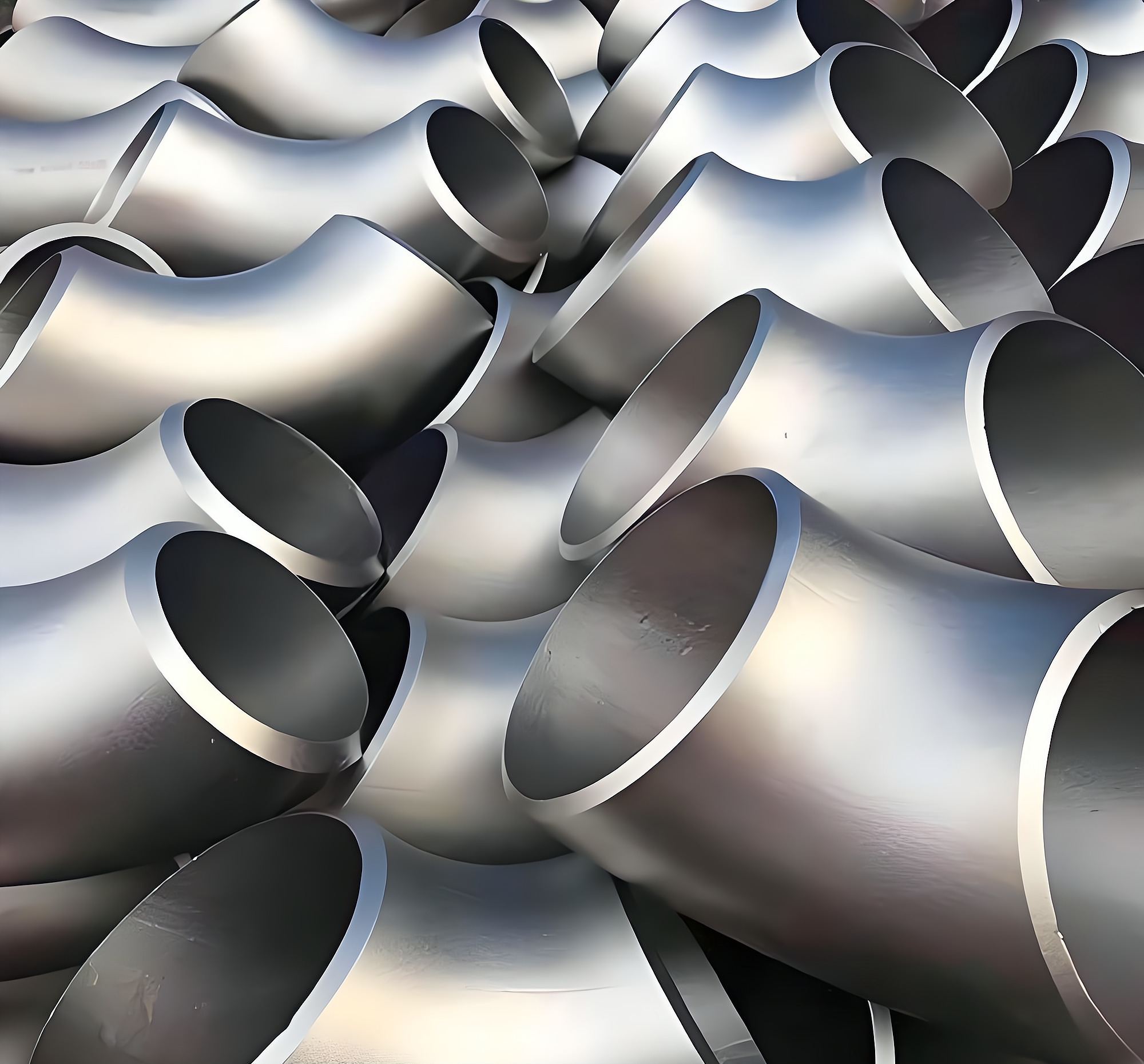
American standard carbon steel is the most mainstream material selection for pipes and fittings in oil and gas, chemical, and EPC overseas engineering projects, and A234 WPB and A105 are high-frequency material grades in foreign trade orders. Different grades correspond to different product forms, heat treatment requirements, and applicable working conditions; incorrect material selection will directly cause problems such as welding mismatch, pressure-bearing failure, and rejection by the owner. This article systematically interprets the ASTM material system for American standard carbon steel pipe fittings, sorts out core foreign trade requirements such as chemical composition, mechanical properties, heat treatment, non-destructive testing, material certificates, and marking traceability, and analyzes procurement selection misconceptions, material substitution boundaries, and ocean shipping protection points, so as to provide a complete technical basis for foreign trade inquiries and quotations, order review, third-party supervision and acceptance, and overseas project delivery, and to avoid risks of material misuse, certificate non-compliance, customs clearance, and project claims.

Read More →
Customs supervision conditions for pipes and fittings
2026-10-26

Customs supervision conditions for pipes and fittings

Steel pipe fittings fall under HS heading 7307, the tariff item for iron or steel tube or pipe fittings, and are a core category in pressure piping foreign trade exports. Customs supervision involves multiple management rules, including commodity classification, export licenses, declaration elements, inspection and verification, dual-use item screening, rules of origin, and export tax rebates. This article systematically reviews the customs supervision framework for pipe fittings, analyzes the classification differences among carbon steel, stainless steel, alloy, forged, and rolled pipe fittings, interprets export licensing, inspection, documentation, and rules of origin management requirements, examines typical legal risks such as classification errors, failure to obtain required licenses, and false declaration elements, and establishes a full-process compliance control plan for foreign trade enterprises, providing practical reference for pipe fitting customs declaration, contract drafting, document preparation, and cross-border contract performance.

Industry Segmentation for Industrial Piping and Fittings Applications
2026-10-26

Industry Segmentation for Industrial Piping and Fittings Applications

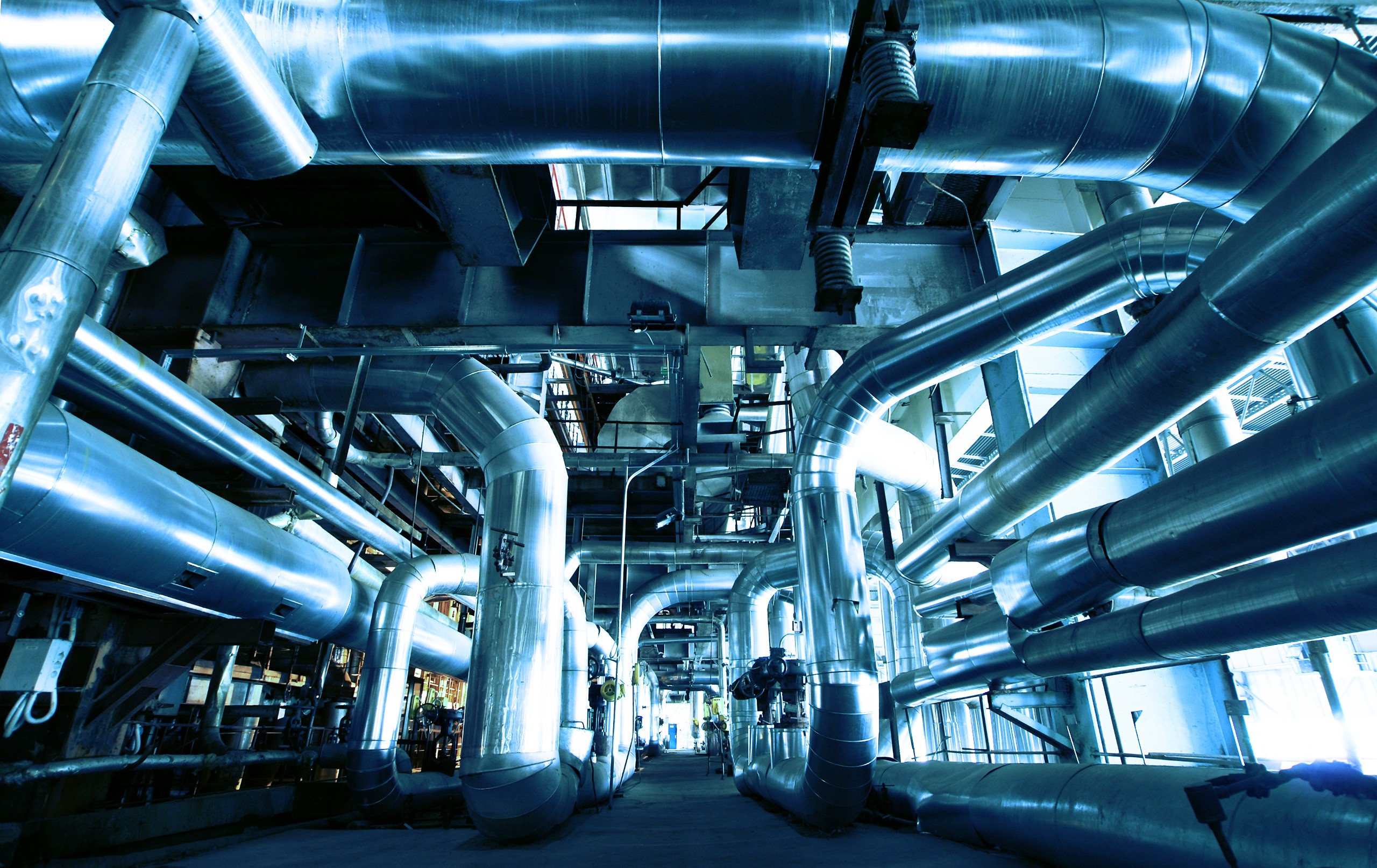
Industrial pipeline fittings, as fundamental components of pressure-bearing systems, face significantly differentiated downstream industry demands, where media, temperature, pressure, and safety codes in different industries determine fitting materials, processes, inspection, and market access standards. This article divides industries along dimensions such as petrochemical and oil & gas, electric power, municipal utilities, marine and offshore engineering, new energy, metallurgy and mining, and pharmaceutical and food, to sort out pipeline classes, fitting selection rules, mandatory codes, procurement key points, and foreign trade export characteristics for each industry, compare quality traceability, supervision, and third-party inspection requirements across industries, and identify industry-specific differentiated risks, thereby providing systematic theoretical and practical basis for pipeline fitting selection, bill of materials preparation, supplier admission, and foreign trade technical agreement negotiation.

Pipe and Fitting Foreign Trade Export Categories
2026-10-26

Pipe and Fitting Foreign Trade Export Categories

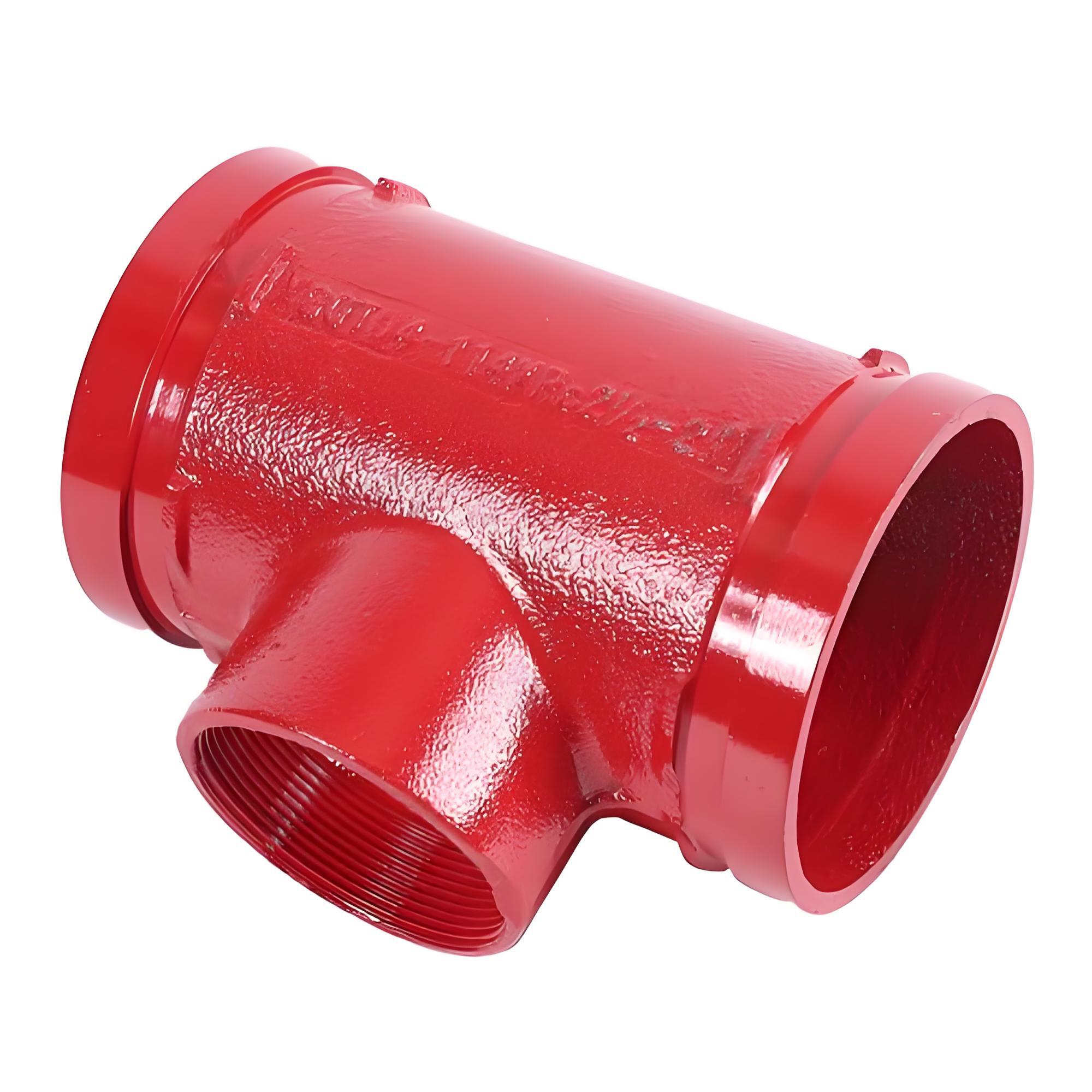
Pipe fittings, as the core components of pressure piping systems, are an important export category of China's mechanical and electrical equipment. In foreign trade business scenarios, category classification cannot be based simply on appearance; it needs to be defined across multiple dimensions, including forming process, material grade, connection structure, applicable standards, pressure rating, and application conditions. This paper systematically reviews the category system of pipe fittings for foreign trade export, analyzes the applicable markets, standard requirements, inspection rules, and key points of customs classification for various products, examines the market demand characteristics, procurement risks, and selection taboos of different categories, and proposes control plans for issues such as category confusion, standard mismatch, and incorrect declaration classification in foreign trade orders, providing theoretical and practical references for pipe foreign trade procurement, quotation, production, customs declaration, and overseas project performance.

Current Development Status of the Pipe and Fittings Foreign Trade Industry
2026-10-26

Current Development Status of the Pipe and Fittings Foreign Trade Industry

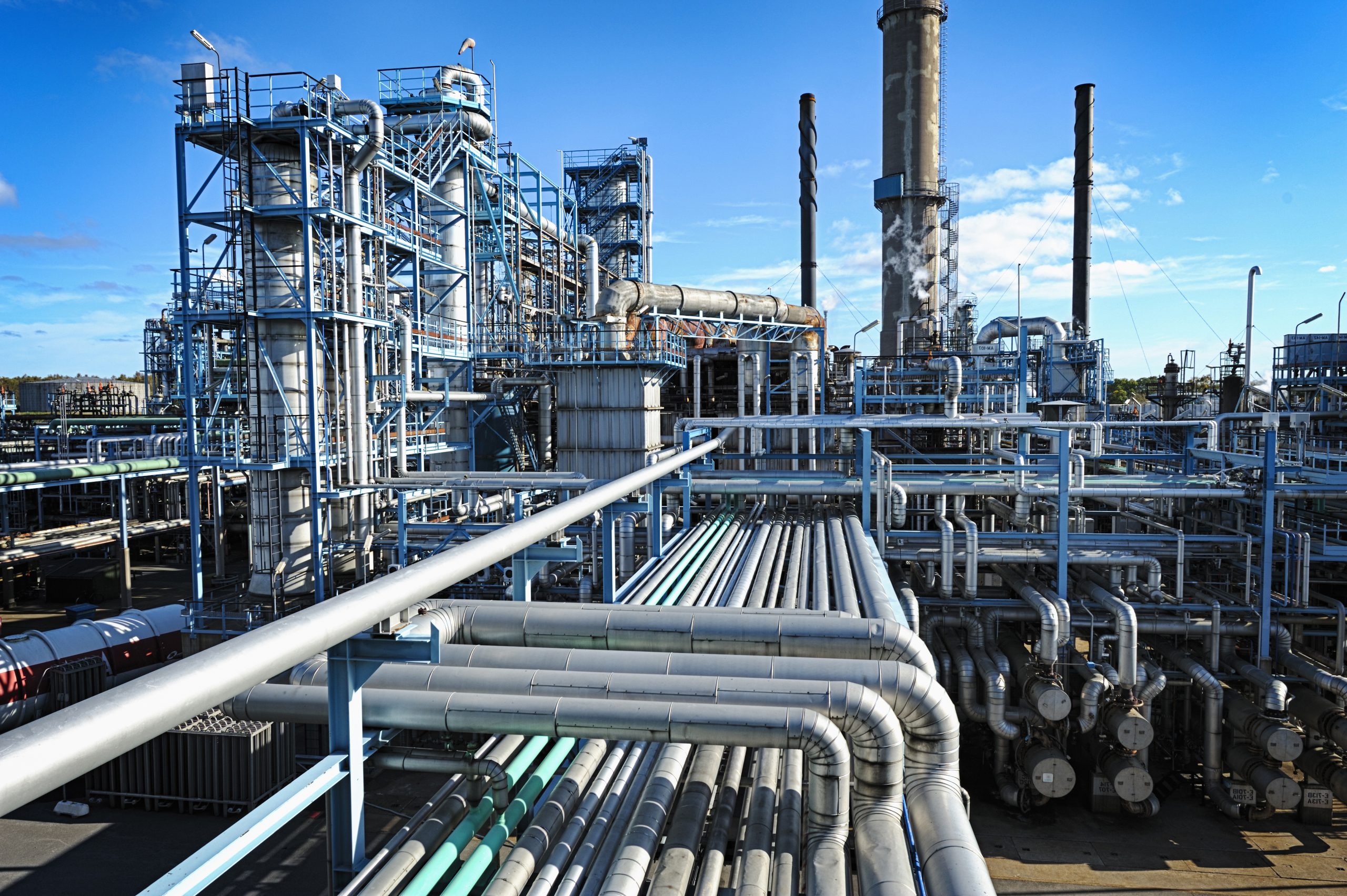
China is a major global producer and exporter of pipeline fittings. Leveraging the advantages of a complete industrial chain, its carbon steel, stainless steel, and alloy pressure-bearing pipe fittings are exported to numerous countries and regions around the world, and it is deeply involved in supporting overseas EPC projects in oil and gas, chemicals, power plants, municipal infrastructure, and new energy. The industry is currently transitioning from capacity and scale expansion toward quality, standards, compliance, and branding. However, the industry still faces pain points such as excess low-end capacity, homogeneous low-price competition, insufficient awareness of international standards, and rising geopolitical conflicts and technical trade barriers. This article systematically analyzes the current state of the pipeline fittings foreign trade industry from the perspectives of industrial foundation, global market landscape, product structure, existing problems, development opportunities, and transformation pathways, providing a reference for foreign trade procurement and cross-border business of manufacturing enterprises.

General Procurement Standard for Water Circulation Pipeline Fittings
2026-10-25

General Procurement Standard for Water Circulation Pipeline Fittings

Industrial water circulation pipelines are widely used in power plants, chemical plants, HVAC, and manufacturing cooling water systems, where the media present problems such as scaling, electrochemical corrosion, sediment erosion, and water hammer impact. Based on standards such as GB/T20801, GB50873, and GB/T12459, this paper establishes a general procurement standard system for water circulation pipe fittings, and systematically discusses aspects including working condition classification, material selection, anti-corrosion coatings, structural parameters, non-destructive testing, hydrostatic testing, factory documentation, and incoming acceptance inspection. It analyzes common hidden risks in procurement such as material mismatch, anti-corrosion failure, insufficient wall thickness, and galvanic corrosion between dissimilar metals, clarifies the red lines for procurement control, reduces the risk of leakage and erosion damage, and ensures the long-term stable operation of circulating water systems.

Procurement Rules for High-Temperature and Pressure-Resistant Pipe Fittings for Steam Pipelines
2026-10-25

Procurement Rules for High-Temperature and Pressure-Resistant Pipe Fittings for Steam Pipelines

High-temperature steam pipelines endure high temperature, high pressure, and alternating thermal loads over the long term, and creep deformation, thermal fatigue, and oxidative corrosion are the core causes of pipe fitting failure. Based on pressure piping codes such as GB/T20801, GB/T32270, and TSG31, this paper establishes a complete rule system for the procurement of high-temperature pressure-resistant pipe fittings, and systematically discusses working condition classification, admission of heat-resistant materials, forging structure selection, post-weld heat treatment, non-destructive testing, high-temperature pressure tests, factory supervision, documentation traceability, and incoming acceptance inspection. It analyzes typical procurement risks such as material mismatch, insufficient wall thickness, missing heat treatment, and downgraded non-destructive testing, clarifies procurement red lines, avoids creep cracking and steam leakage accidents, and ensures the long-term safe and stable operation of high-temperature steam lines in power plants, chemical plants, and heating networks.

Selection Standards for High-Pressure Sealing Pipe Fittings for Liquefied Gas Pipelines
2026-10-25

Selection Standards for High-Pressure Sealing Pipe Fittings for Liquefied Gas Pipelines

Liquefied petroleum gas (LPG) is a flammable and explosive medium, prone to phase change and leakage under high-pressure conditions, and seal failure can easily cause fire and explosion accidents. Based on GB51142, GB/T20801, TSG31 and other standards, this paper discusses the selection system for sealed pipe fittings of high-pressure LPG pipelines, and builds a complete selection logic from medium working condition classification, forged pipe fitting materials, flange sealing face selection, hydrocarbon-resistant gasket matching, fastener matching, non-destructive testing, pressure testing and leak detection, factory supervision and incoming acceptance inspection. It analyzes typical risks in selection such as materials not resistant to hydrocarbons, mismatched sealing structures, low-temperature brittle fracture, and gasket aging failure, clarifies the red lines for selection of high-pressure sealed pipe fittings, controls LPG medium leakage from the source, and ensures the long-term safe operation of LPG storage and distribution, filling, and chemical pipeline systems.

Procurement Requirements for Explosion-Proof Fittings for Hydrogen Pipelines
2026-10-25

Procurement Requirements for Explosion-Proof Fittings for Hydrogen Pipelines

Hydrogen is a high-risk medium with a wide explosive limit and strong molecular permeability. Hydrogen embrittlement failure, medium leakage, and electrostatic sparks are the core explosion-inducing factors of hydrogen pipelines. Based on GB50177, GB4962, GB/T20801, TSG31 and other specifications, this paper discusses the explosion-proof procurement system for hydrogen pipe fittings, and establishes a complete procurement control process from working condition classification, hydrogen embrittlement resistant material admission, pipe fitting structure selection, sealing system, electrostatic bonding, non-destructive testing, degreasing and cleaning, factory supervision, document traceability, and incoming acceptance. It analyzes common risks in the procurement process such as material selection errors, improper sealing selection, and lack of hydrogen embrittlement assessment, clarifies the red lines for explosion-proof pipe fitting procurement, controls hidden dangers of hydrogen leakage and explosion from the source, and ensures the long-term safe operation of hydrogen production, hydrogen refueling stations, and chemical hydrogen service pipelines.

Special Procurement Standards for Oil-Free Oxygen Pipeline Fittings
2026-10-25

Special Procurement Standards for Oil-Free Oxygen Pipeline Fittings

Oxygen is a strongly oxidizing medium, and residual grease and hydrocarbon contaminants on the inner walls of pipe fittings can easily trigger combustion and explosion accidents; oil prohibition and degreasing is a mandatory special requirement for the procurement of oxygen pipelines. Based on domestic and international standards such as GB50030, HG20202, GB50316, and TSG31, this paper constructs a complete oil-prohibition procurement standard system centered on oxygen pipeline classification, material admission, oil-prohibition and degreasing processes, residue detection, manufacturing control, packaging protection, factory documentation, and incoming acceptance inspection. It analyzes common risks in procurement such as grease contamination, improper material selection, degreasing failure, and packaging damage, establishes supplier admission, supervision, and traceability mechanisms, standardizes procurement judgment criteria for oxygen pipe fittings of different pressure grades, and eliminates combustion and explosion hazards in oxygen pipelines from the source.